

Train AI tagged posts

How everyday devices could train AI faster while keeping personal data on-device

Irene Tenison, Lalana Kagal and Anna Murphy at desk with laptops
Caption:Irene Tenison, Lalana Kagal and Anna Murphy of the Decentralized Information Group (DIG) developed a new method that could bring more accurate and efficient AI models to high-stakes applications like health care and finance.
Credits:Credit: Adam Glanzman

A new method developed by MIT researchers can accelerate a privacy-preserving artificial intelligence training method by about 81%. This advance could enable a wider array of resource-constrained edge devices, like sensors and smartwatches, to deploy more accurate AI models while keeping user data secure.

The MIT researchers boosted the efficiency of a technique known as federated learning, which involves a network of connected devices that work together to train a shared AI model.

In federated learning, the model is broad...

Read More
Q&A: How to Train AI when you Don’t Have Enough Data

Artificial intelligence excels at sorting through information and detecting patterns or trends. But these machine learning algorithms need to be trained with large amounts of data first.

As researchers explore potential applications for AI, they have found scenarios where AI could be really useful—such as analyzing X-ray image data to look for evidence of rare conditions or detecting a rare fish species caught on a commercial fishing boat—but there’s not enough data to accurately train the algorithms.

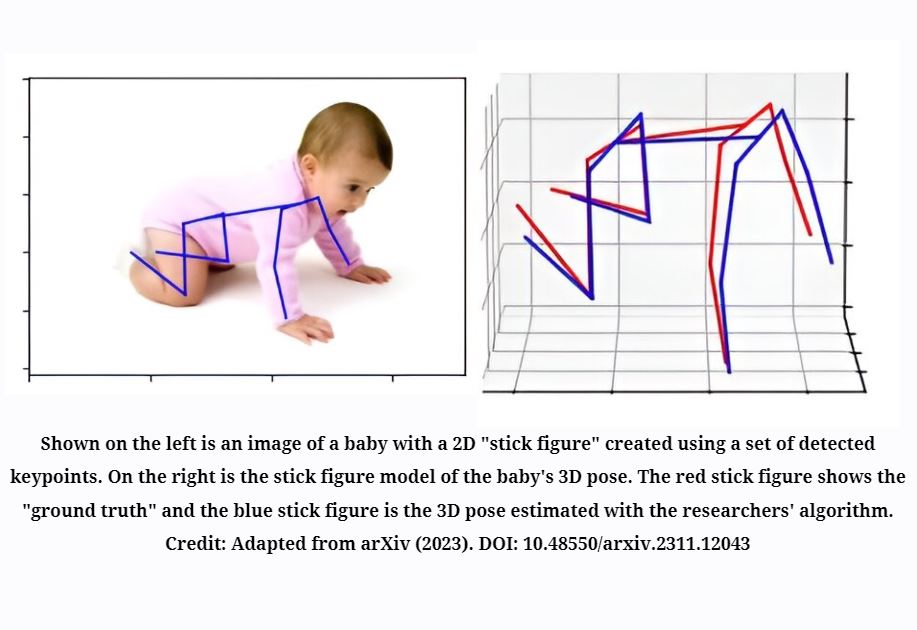
Jenq-Neng Hwang, University of Washington professor of electrical and computer and engineering, specializes in these issues. For example, Hwang and his team developed a method that teaches AI to monitor how many distinct poses a baby can achieve throughout the day...

Read More