Tregs tagged posts

New combination therapy shows promise in metastatic pancreatic cancer

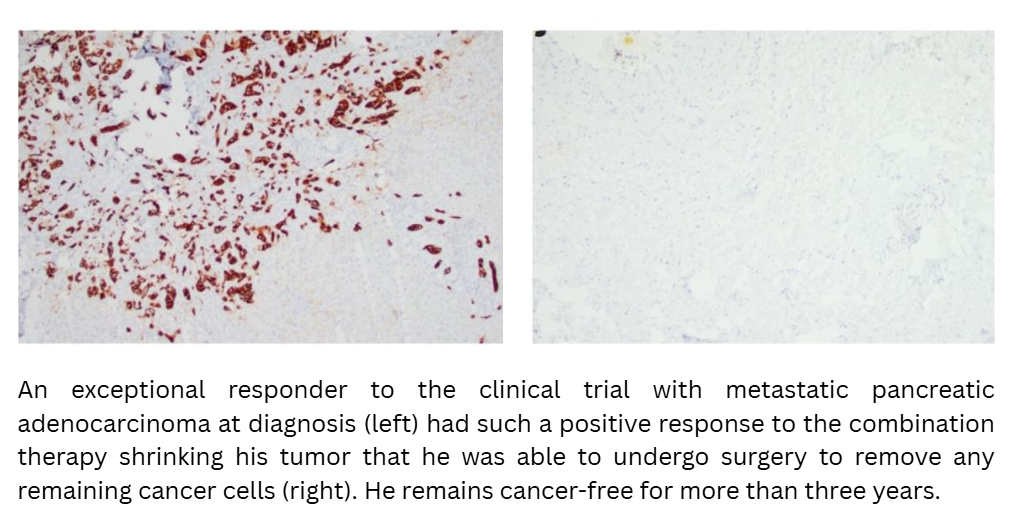
Results from an early-stage clinical trial, published in Nature Communications, showed encouraging outcomes among patients with newly diagnosed cancer whose tumors had spread to distant organs. Most strikingly, one patient experienced a pathologic complete response—meaning no viable cancer cells could be found—and remains cancerfree for more than two years without further treatment. These findings offer an important signal that a new approach may be able to overcome one of the disease’s greatest challenges: its resistance to immunotherapy.

“We desperately need new tools in our arsenal,” said Gulam Manji, MD, PhD, a medical oncologist specializing in pancreatic cancer and lead investigator of the trial...

Read More

Certain immune cell subtypes drive lupus, study finds

New immune cell suspects in lupus
scRNA-seq reveals altered cellular composition of CD4+ T cells in SLE. Credit: Nature Immunology (2025). DOI: 10.1038/s41590-025-02297-2

Detailed mapping of CD4⁺ T cells from children with systemic lupus erythematosus (SLE) has revealed distinct immune cell subsets with likely roles in disease pathogenesis, according to a study led by Weill Cornell Medicine investigators. The findings are poised to redirect lupus research and open the door to more precise therapies that avoid broad immune suppression.

Published in Nature Immunology, the study used single-cell RNA sequencing to profile CD4⁺ T-cell subtypes from children with SLE and healthy controls...

Read More

A protective immune system cell disappears from a key form of fat, but only in those who are obese

A protective immune system cell disappears from a key form of fat, but only in those who are obese
Loss of Srebf2 alters VAT Treg subset composition. Credit: Science Immunology (2025). DOI: 10.1126/sciimmunol.adl4909

The mammalian immune system is an evolutionary wonder. It’s capable of recognizing and destroying cancer cells, and it can deploy armies of antibodies against viruses, bacteria, parasites and fungi.

Among the lesser-spotlighted roles of the immune system is how a particular T cell helps maintain homeostasis—fostering a balanced and stable metabolic environment—in fat cells. It’s a role that has captured the investigatory eye of an elite team of immunologists.

Having a stronger understanding of the dynamic metabolic activities and signaling pathways in fat tissue can aid new strategies to treat obesity, a major global health concern...

Read More

New insights into a Potential Target for Autoimmune Disease

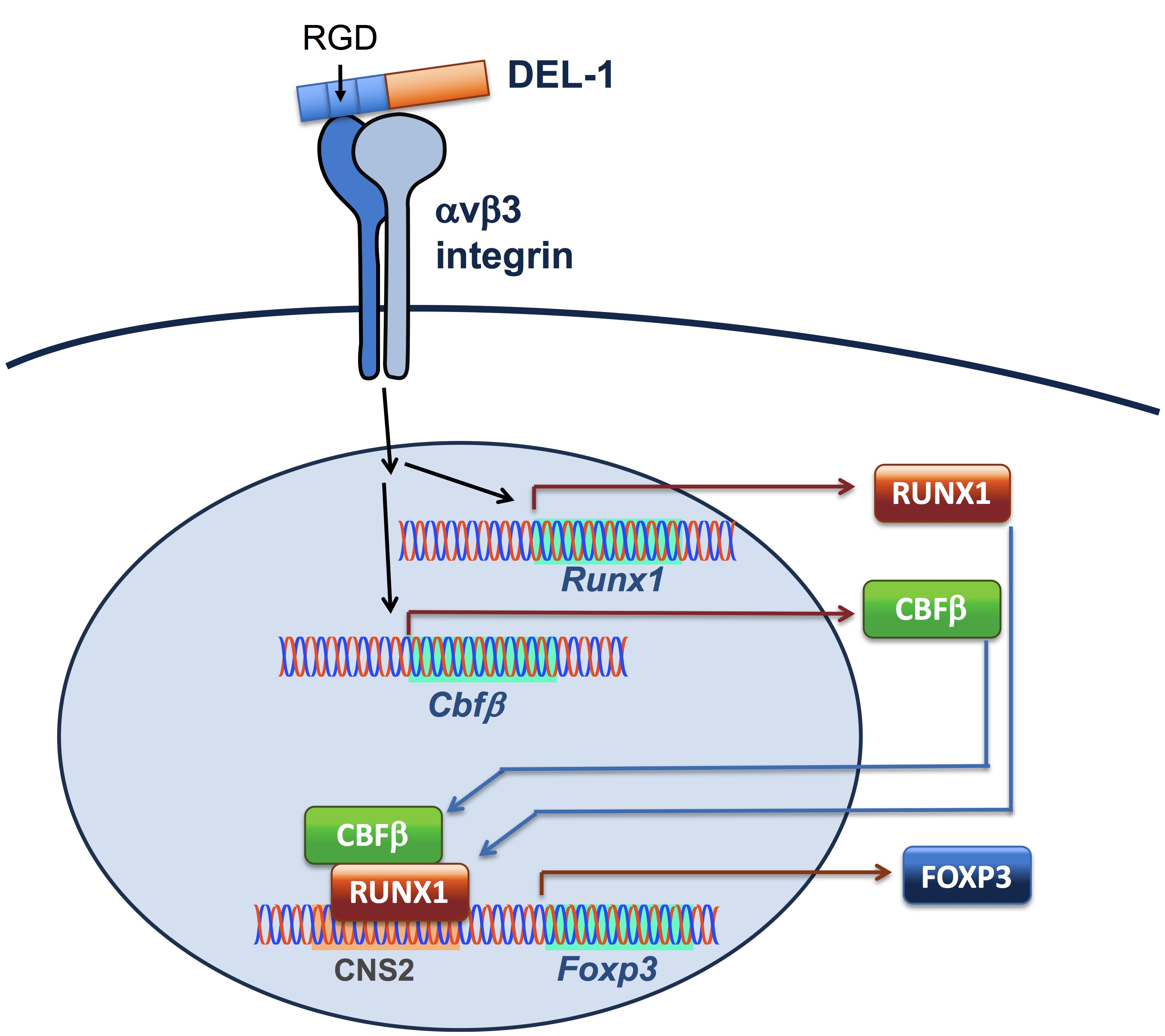
Researchers from Penn teamed with colleagues to decipher the mechanism by which the protein DEL-1 leads to the generation of T cells expression FOXP3, which rein in inflammatory responses, such as those responsible for autoimmune disease. (Image: Courtesy of the Hajishengallis laboratory)

With insights into a molecular pathway that regulates the activity of Tregs, a type of T cell involved in immunosuppression, new research opens up possibly new avenues for treating inflammatory and autoimmune diseases.

Immune response is a balancing act: Too much can lead to inflammatory or autoimmune disease; too little could lead to a serious infection...

Read More