type 2 diabetes tagged posts

Epigenome map reveals how blood sugar-regulating cells change in type 2 diabetes

New research shows how blood sugar-regulating cells change in type 2 diabetes
Cartoon summarizing key results from this study; created in BioRender; Ofori, J. https://BioRender.com/1w54ey4 (2026). Credit: Nature Metabolism (2026). DOI: 10.1038/s42255-026-01498-9

A protein long understood to drive inflammation by producing nitric oxide has a second, previously unknown role—it physically binds to another key protein inside cells to directly modulate the immune response. The discovery, published in Nature Metabolism, could open new routes to treating conditions such as cardiovascular disease, arthritis, Crohn’s and other inflammatory diseases.

When the immune system detects infection or injury, it triggers inflammation to fight back. That response is essential, but it must be carefully controlled...

Read More

Diabetes drugs may be changing cancer in surprising ways

Diabetes Drugs May Be Changing Cancer
Diabetes drugs taken every day by millions may secretly be shaping cancer risk in ways scientists are only beginning to understand. Credit: Shutterstock

Common diabetes drugs may do more than regulate blood sugar—they could also influence how cancers grow, spread, or slow down. Researchers are now unraveling how these medications affect immune function, inflammation, and tumor biology, with intriguing but still uncertain implications.

Researchers are taking a closer look at how medications used to treat diabetes may also influence cancer. While diabetes itself has long been associated with higher cancer risk, scientists are now investigating whether diabetes drugs play a direct role beyond controlling blood sugar levels and body weight...

Read More

Metabolic differences in male and female muscles may explain diabetes variations

Focus on muscle metabolism: Sex differences in sport and obesity
Graphical abstract. Credit: Molecular Metabolism (2025). DOI: 10.1016/j.molmet.2025.102185

The skeletal muscles of men and women process glucose and fats in different ways. A study conducted by the University Hospital of Tübingen, the Institute for Diabetes Research and Metabolic Diseases of Helmholtz Munich and the German Center for Diabetes Research (DZD) e.V. provides the first comprehensive molecular analysis of these differences. The results, published in Molecular Metabolism, possibly give an explanation for why metabolic diseases such as diabetes manifest differently in women and men—and why they respond differently to physical activity.

Skeletal muscles are far more than just “movement driving motors...

Read More

Newly discovered mechanism of mitochondrial dysfunction in obesity may drive insulin resistance and type 2 diabetes

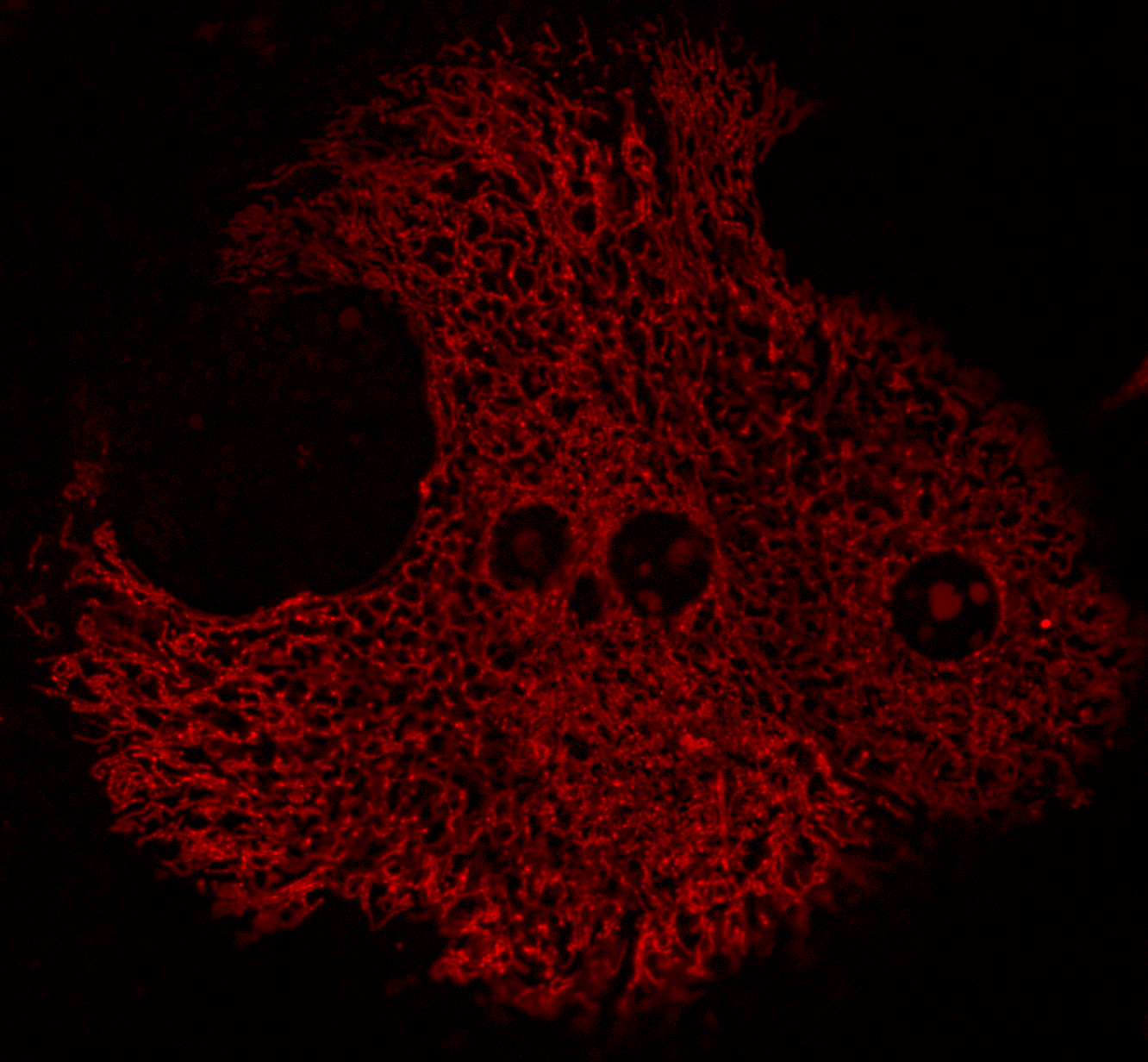
Mitochondria within liver cells from obese mice show signs of dysfunction by producing excessive reactive oxygen species (red), which is harmful and contributes to insulin resistance and type 2 diabetes. Image courtesy of Renata Goncalves.

A newly discovered mechanism that leads to liver dysfunction may be a key factor in type 2 diabetes and other metabolic disorders in individuals with obesity, according to a new study led by Harvard T.H. Chan School of Public Health.

The dysfunction identified—dysregulated hepatic coenzyme Q metabolism—leads to excessive reactive oxygen species (ROS) produced by mitochondria at a single specific site in an enzyme called complex I. The researchers say the discovery offers a potential path for new, precise treatments for metabolic diseases.

“Our findings provide the first step toward solving a complex problem in the field of metabolic disease research that has stood for three decades,” said corresponding author Gökhan S...

Read More