


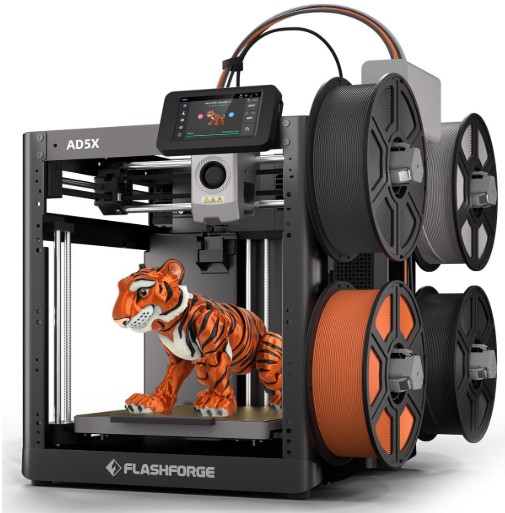
This 3D printing guide helps you navigate the fast-moving world of home manufacturing in 2026. Currently, the market features smart machines that print with professional accuracy and speed. Modern technology now allows beginners to create complex parts with very little manual training. As a result, you can turn a digital idea into a physical object in just a few hours. The success of your project depends on choosing the right hardware and understanding your materials. Specifically, you must match your machine settings to the physical requirements of your model geometry. Ultimately, this 3D printer guide ensures you produce high-quality results while keeping your production costs low.
Modern 3D Printing Technology in 2026
Currently, home manufacturing has reached a level of reliability that matches industrial standards. Most top-tier printers now use the Core-XY motion system instead of older designs. In addition, these newer machines provide incredible speed and stability during long print jobs. These advancements make it much easier for anyone to start a small production line from home.
The Rise of AI and Automation
Because 2026 models feature AI-assisted calibration, you no longer have to spend hours leveling your print bed manually. Furthermore, lidar sensors now measure nozzle height with micrometer precision. This technology helps catch mistakes before they waste your filament. Real-time first-layer monitoring ensures every print starts with a perfect foundation.
Speed and Efficiency Breakthroughs
In addition to smart sensors, modern printers handle multi-color projects with very little waste. Tool-changing systems like those found in the Snapmaker U1 have replaced older, wasteful purge methods. Therefore, you can create colorful models without throwing away half a spool of plastic. Moreover, print speeds have climbed to over 500mm/s without losing surface quality.
Choosing the Best 3D Printer for Your Needs
Before you buy a new machine, you should check for several essential features in this 3D printer guide. First, look for a fully enclosed chamber if you plan to use engineering materials. Second, ensure the printer supports multi-material systems for complex designs. Third, consider the ecosystem and software support provided by the manufacturer.
Top 3D Printer Recommendations for 2026
Because there are so many options, here are some of the most reliable machines to choose from.
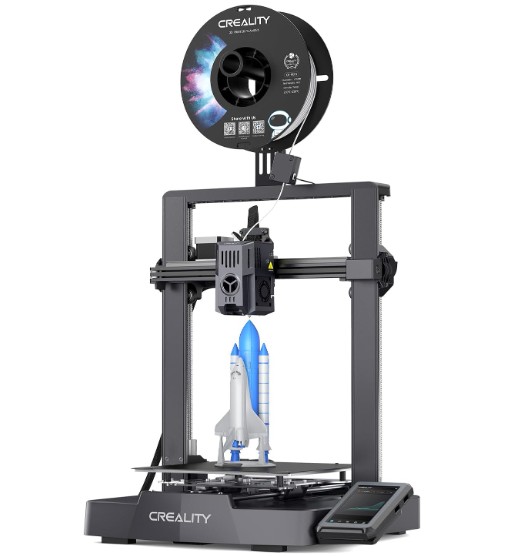
- Best Affordable Entry-Level FDM Printer: Creality Ender 3 V3 or upgrade to Creality Ender 3 V3 Plus (larger, sturdier version of the standard Ender 3 V3, offering a 300x300x330mm build volume (vs. 220x220x250mm) and dual Y-axis motors for improved stability on large prints)—Both machines offer reliable auto-leveling systems at great prices.
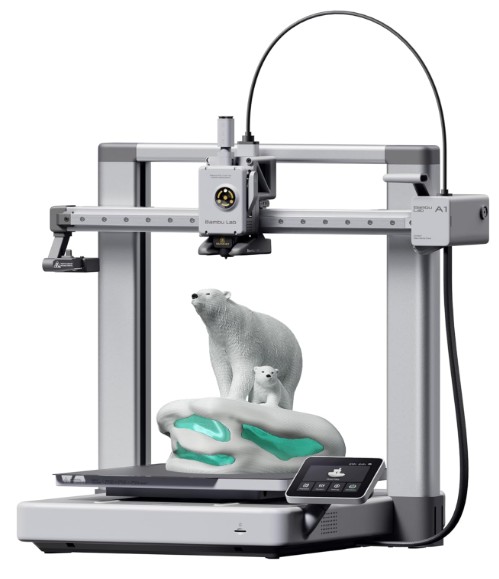
- Best High-Speed Core-XY Printer: Bambu Lab P1S — In addition, this is a fully enclosed workhorse that handles multi-material printing with ease.
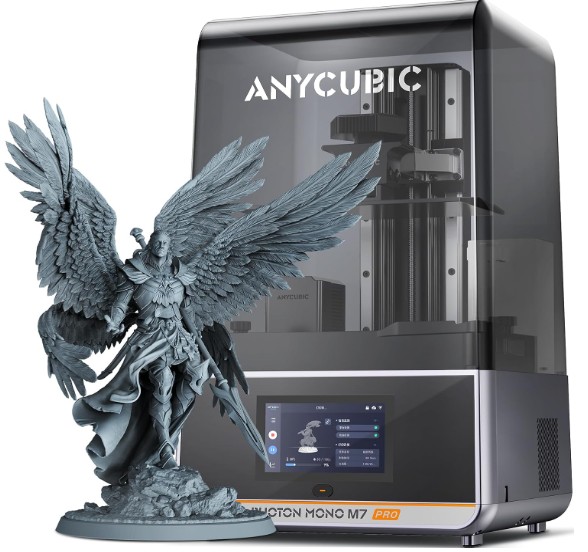
- Best Precision Resin Printer: Anycubic Photon Mono M7 — Specifically, this is ideal for users who need micrometer-level detail for jewelry or gaming miniatures.
- Best Professional Choice: Prusa Core One — This printer offers industrial-grade reliability for functional prototypes
Choosing Your Path: FDM vs. Resin
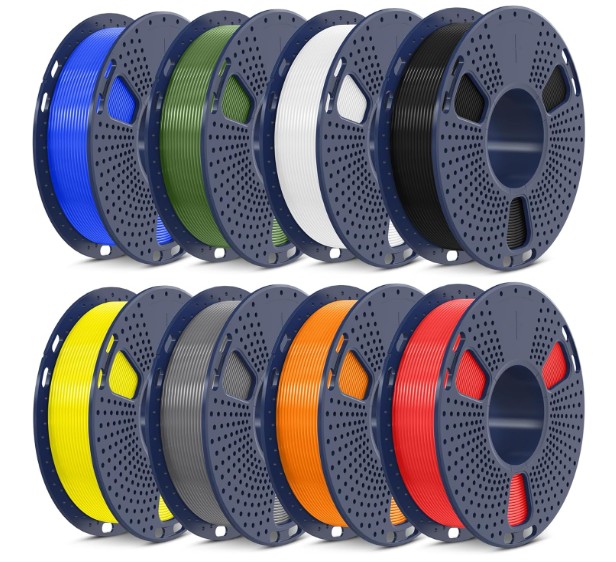
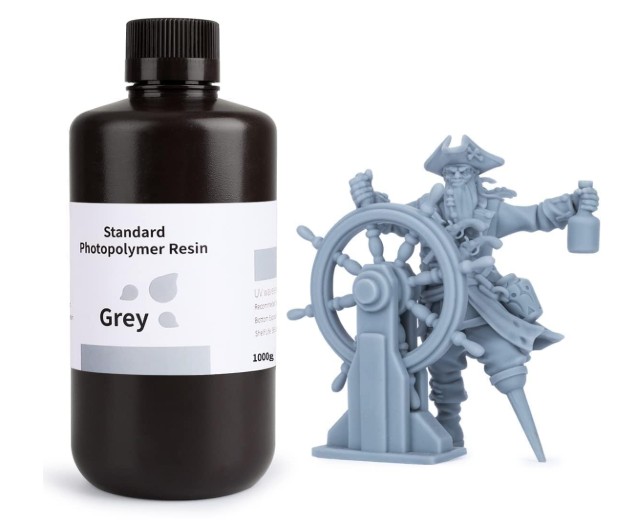
Generally, you have two main choices in 3D printing: FDM (Fused Deposition Modeling) or Resin (SLA/DLP). For instance, FDM machines use spools of plastic filament. These machines excel at creating functional parts and large models. In contrast, resin printers use liquid polymers and UV light. These printers provide incredible precision but require more safety gear and post-processing.
Therefore, if you need strength and size, you should go with FDM. However, if you need tiny, intricate details, resin is the better choice for your workspace.
The 3D Printing Software Stack
Besides hardware, you also need a reliable software workflow. Frequently, this process is called the “3D Printing software stack.”
- CAD (Computer-Aided Design): This is where you create your 3D model. For example, beginners should start with Tinkercad. Meanwhile, professionals often use Fusion360 or Shapr3D for professional engineering.
- Slicing Software: Next, this software “slices” your 3D model into thin layers and creates G-code. Your printer reads this code to move. Specifically, you may try Bambu Studio or Orca Slicer
- Control and Monitoring: Finally, many 2026 printers include mobile apps. You can use these to watch your print via camera and pause it if you see a failure.
Tracking Your Project Expenses
Furthermore, efficiency is a major part of 3D printing. If you want to run a sustainable shop, you must know your numbers. For instance, filament costs, electricity, and failure rates all impact your bottom line. To help with this, use the calculator tool below to find the exact price of your next project instantly.
3D Print Cost Estimator
3D Print Cost Calculator
3D Printing Material Properties and Applications Guide
In addition to hardware, the plastic you choose dictates how your part will perform. Besides color, you should consider mechanical strength and temperature resistance.
- PLA (Polylactic Acid): For instance, this is the best starting point for models and prototypes. Check PLA filament best prices
- PETG: Moreover, this is the gold standard for functional parts because it handles heat better than PLA. Shop affordable PETG filaments
- TPU: Similarly, this is ideal for gaskets and protective cases that need flexibility. Find great TPU filaments.
- ASA: Specifically, this is excellent for outdoor parts due to its high UV resistance. Browse ASA filament options
Full Technical Resource: 2026 Guide to 3D Printing Materials
Solving Technical Challenges
Even with the best 3D printer, you will likely face mechanical hurdles. Consequently, you must master bed adhesion and extrusion flow to maintain a high success rate.
Stopping the Warp
Typically, warping happens when the corners of your print curl upward as the plastic cools. In addition, this is often caused by uneven cooling or poor bed leveling. Because environmental factors like room temperature play a large role, you should control your workspace. Full Technical Resource: How to Stop 3D Print Warping: A Technical Guide
Fixing Nozzle Clogs
Similarly, a clogged nozzle stops your project in its tracks. To avoid this, regular maintenance like cold pulls is key to keeping your extruder clear. If you use abrasive materials like carbon fiber, you should always use a hardened steel nozzle. Full Technical Resource: 3D Printer Maintenance and Clog Guide
Advanced Calibration
Moreover, precision results come from careful machine care. Specifically, you should run tests for every new spool to match your settings to your material. Full Technical Resource: Precision Calibration: Mastering Temp Towers and Retraction
3D Printing Post-Processing: The Professional Finish Guide
Furthermore, buyers often expect prints to look like store-bought products. To achieve this, you need to master post-processing techniques.
- Sanding: First, use various grits of sandpaper to remove layer lines.
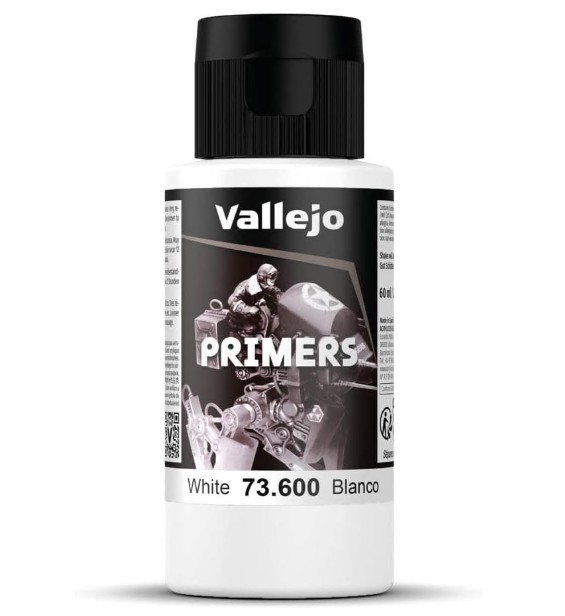
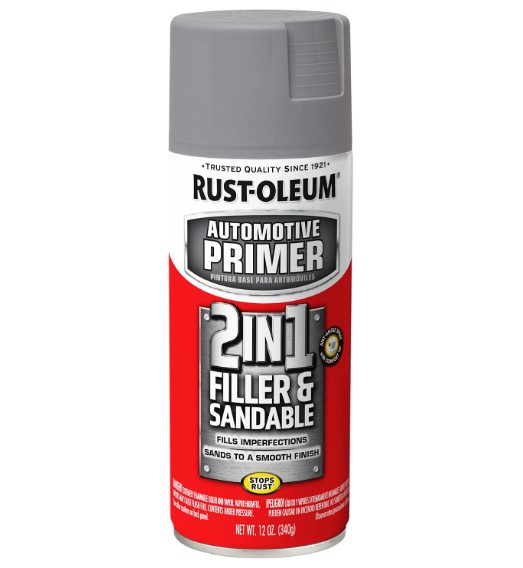
- Priming: Next, apply a filler primer to hide any remaining imperfections.
- Painting: Finally, use acrylic paints or spray paints to bring your models to life.
See 3D Printing post-processing kits and more.
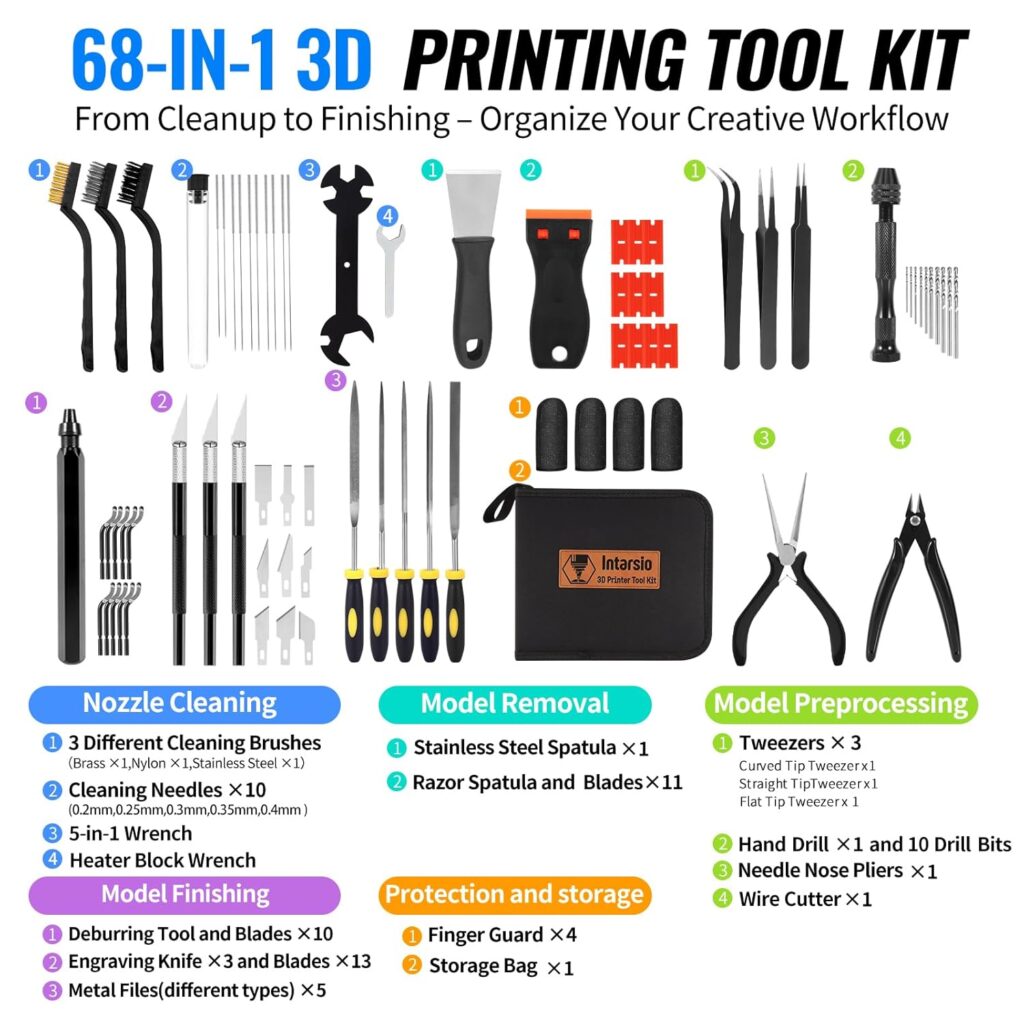
Sustainability in 3D Printing Guide
In 2026, we must also consider the environmental impact of our 3d printing hobby. Because plastic waste is a serious concern, you can help by using recycled filaments. Furthermore, many brands now offer 100% recycled spool material to reduce your carbon footprint.
3D Printing FAQ: Technical & Strategic
What is the best 3D printer for 2026? Currently, you should look for Core-XY machines with auto-leveling and high-speed capabilities.
How do I find the cost of my 3D printing? Specifically, divide the model weight by the total spool weight, then multiply by the spool price. Our calculator above does this automatically.
Does filament expire? In fact, filament does not expire, but it does absorb moisture. Consequently, you should store your spools in airtight bags.
Why is my 3D print not sticking to the bed? Usually, this is a leveling issue. Therefore, you should clean your build plate with isopropyl alcohol to remove finger oils.
Are 3D printing fumes dangerous? Specifically, PLA is generally safe. However, materials like ABS and ASA release VOCs. As a result, always print in a well-ventilated room.
Unique 3D-Printed Example
This shoe filled with intricate detail and lights is 3 ft / 1 meter long. It was used as an Onitsuka Tiger commercial and created with a 3D printer.
You can see how they made this awesome shoe here:
This video provides a practical comparison of the top-rated 3D printers in 2026, including their key features and performance for real-world projects.

Recent Comments