

The discovery that our galaxy is teeming with exoplanets has also revealed the vast diversity of planetary systems out there a...
Read More

September 8, 2020,
 Astronomy/Space
The discovery that our galaxy is teeming with exoplanets has also revealed the vast diversity of planetary systems out there a...
Read More
September 5, 2020,
Astronomy/Space
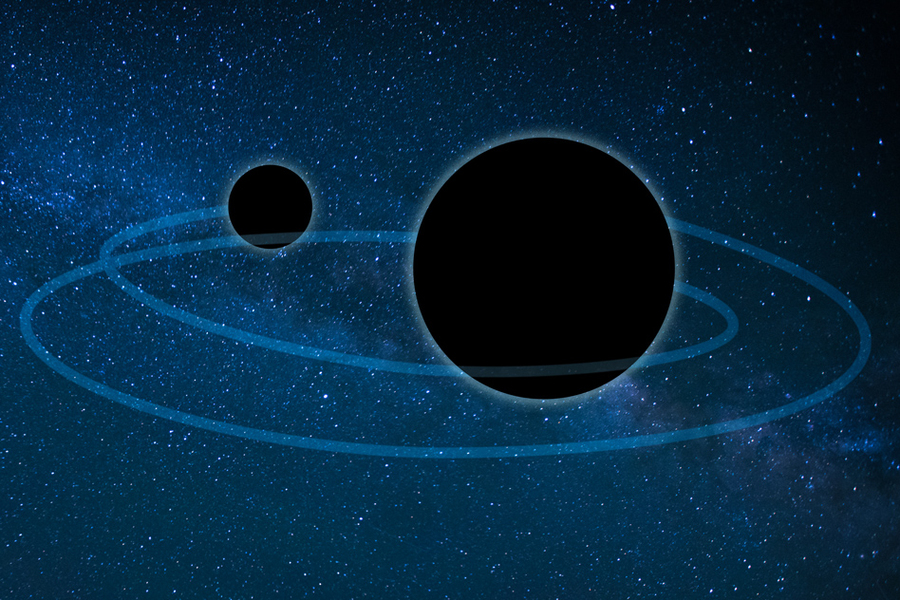
Researchers suggest a novel process to explain the collision of a large black hole and a much smaller one. A lopsided merger of two black holes may have an oddball origin story, according to a new study by researchers at MIT and elsewhere.
The merger was first detected on April 12, 2019 as a gravitational wave that arrived at the detectors of both LIGO (the Laser Interferometer Gravitational-wave Observatory), and its Italian counterpart, Virgo. Scientists labeled the signal as GW190412 and determined that it emanated from a clash between two David-and-Goliath black holes, one three times more massive than the other. The signal marked the first detection of a merger between two black holes of very different sizes.
Now the new study, published today in the journal Physical Review...
Read More
September 4, 2020,
Astronomy/Space
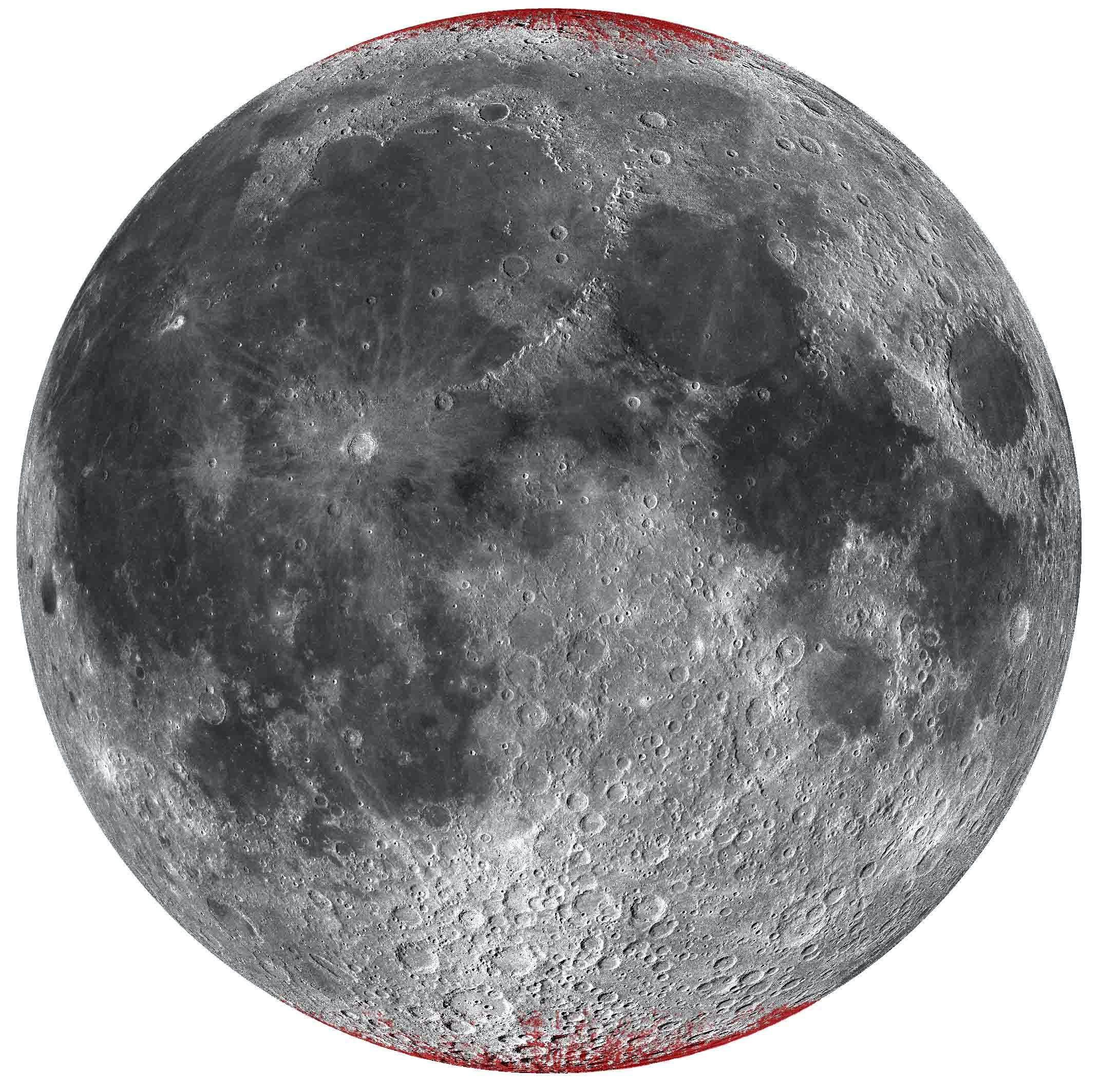
To the surprise of many planetary scientists, the oxidized iron mineral hematite has been discovered at high latitudes on the Moon, according to a study published today in Science Advances led by Shuai Li, assistant researcher at the Hawai’i Institute of Geophysics and Planetology (HIGP) in the UH Mānoa School of Ocean and Earth Science and Technology (SOEST).
Iron is highly reactive with oxygen – forming reddish rust commonly seen on Earth. The lunar surface and interior, however, are virtually devoid of oxygen, so pristine metallic iron is prevalent on the Moon and highly oxidized iron has not been confirmed in samples returned from the Apollo missions...
Read More
September 3, 2020,
Astronomy/Space
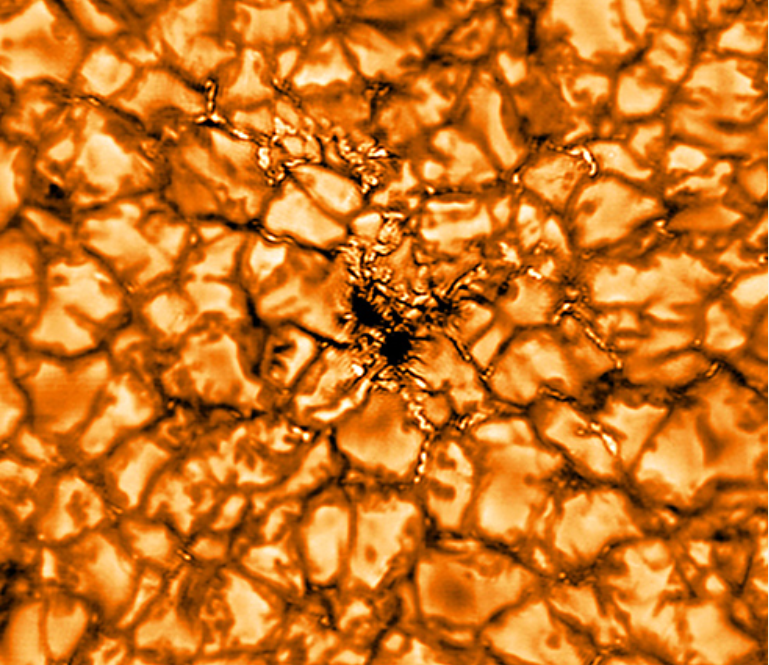
By studying the magnetism on the Sun, we can understand its influence on Earth and minimize damage of satellites and technological infrastructure. The GREGOR telescope allows scientists to resolve details as small as 50 km on the Sun, which is a tiny fraction of the solar diameter of 1.4 million km. This is as if one saw a needle on a soccer field perfectly sharp from a distance of one kilometer.
“This was a very exciting, but also extremely challenging project. In only one year we completely redesigned the optics, mechanics, and electronics to achieve the best possible image quality.” said Dr...
Read More
Recent Comments