

New measurements confirm, to the highest energies yet explored, that the laws of physics hold no matter where you are or how fast you’re moving...
Read More

April 6, 2020,
 Physics, Astronomy/Space
New measurements confirm, to the highest energies yet explored, that the laws of physics hold no matter where you are or how fast you’re moving...
Read More
April 3, 2020,
Astronomy/Space
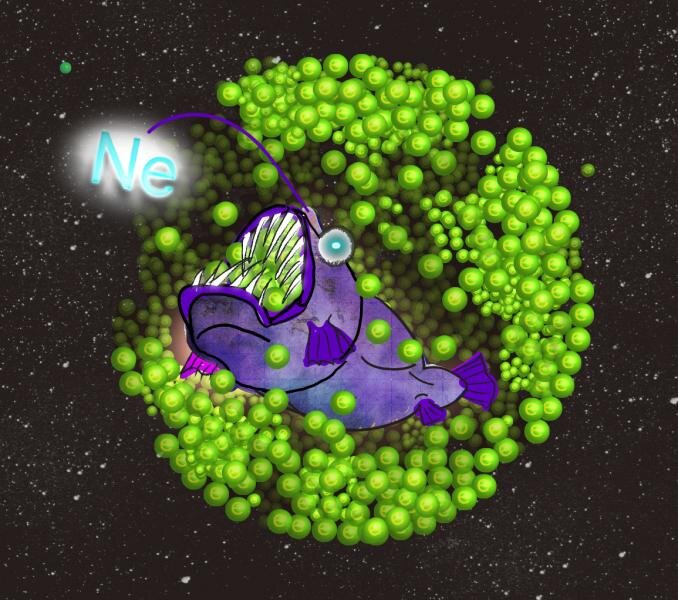
An international team of researchers has found that neon inside a certain massive star can consume the electrons in the core, a process called electron capture, which causes the star to collapse into a neutron star and produce a supernova.
The researchers were interested in studying the final fate of stars within a mass range of eight to 10 solar masses, or eight to 10 times the mass of the sun. This mass range is important because it includes the boundary between whether a star has a large enough mass to undergo a supernova explosion to form a neutron star, or has a smaller mass to form a white dwarf star without becoming a supernova.
An eight- to 1...
Read More
April 2, 2020,
Astronomy/Space, Chemistry/Nanotechnology, Biology/Biotechnology
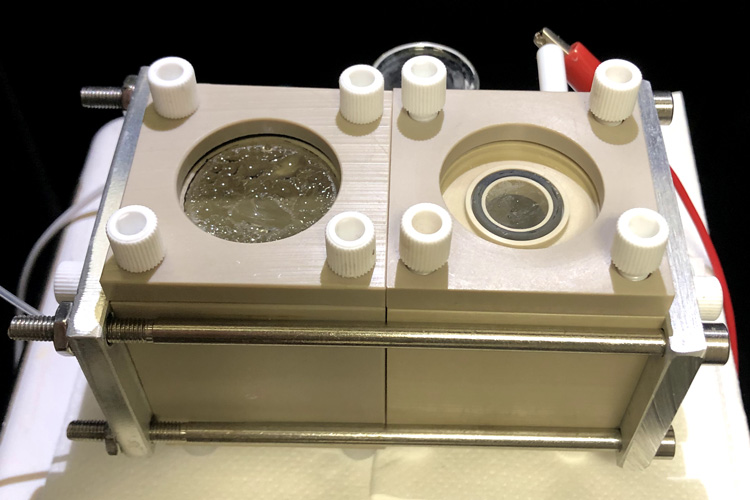
Bacteria on nanowires convert sunlight, carbon dioxide and water to organic building blocks. Chemists have created a hybrid system of bacteria and nanowires that captures energy from sunlight and transfers it to the bacteria to turn carbon dioxide and water into organic molecules and oxygen. On Earth, such a biohybrid could remove carbon dioxide from the atmosphere. On Mars, it would provide colonists with raw material to manufacture organic compounds ranging from fuels to drugs...
Read More

Recent Comments