Category Biology/Biotechnology

Plant-based Materials give ‘Life’ to Tiny Soft Robots

Soft robot in a maze

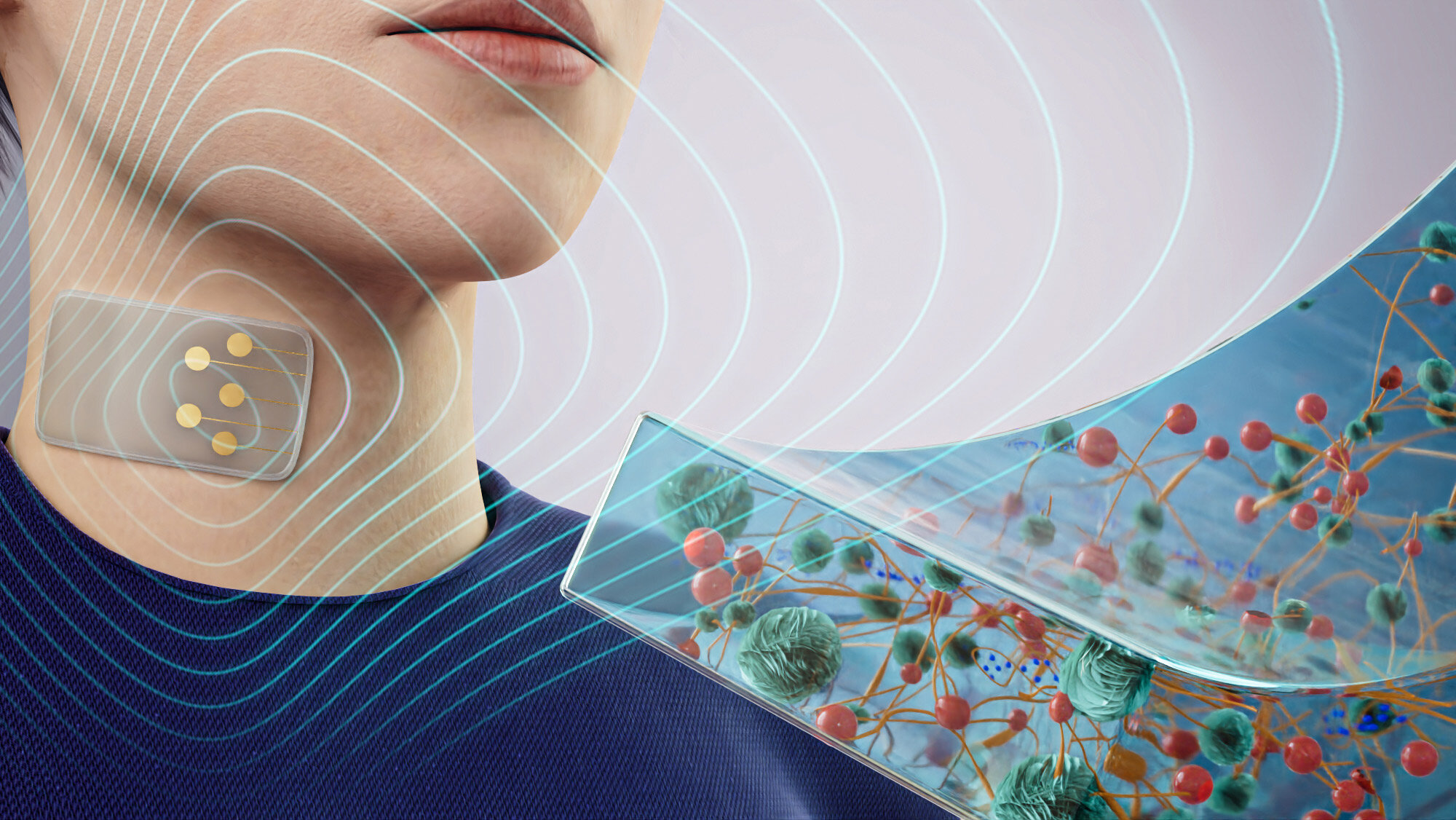
A team of University of Waterloo researchers has created smart, advanced materials that will be the building blocks for a future generation of soft medical microrobots.

These tiny robots have the potential to conduct medical procedures, such as biopsy, and cell and tissue transport, in a minimally invasive fashion. They can move through confined and flooded environments, like the human body, and deliver delicate and light cargo, such as cells or tissues, to a target position.

The tiny soft robots are a maximum of one centimetre long and are bio-compatible and non-toxic. The robots are made of advanced hydrogel composites that include sustainable cellulose nanoparticles derived from plants.

This research, led by Hamed Shahsavan, a professor in the Department of Chemical Engine...

Read More

NUS scientists develop Innovative Magnetic Gel that Heals Diabetic Wounds Three Times Faster

2023 1019 NN_magnetic gel-1
Asst Prof Andy Tay (centre) is holding a plaster pre-loaded with magnetic gel, which promises to accelerate the healing of diabetic wounds, while Dr Shou Yufeng (right) is holding the device for magnetic stimulation. Dr Le Zhicheng (left) is holding a sample of the magnetic gel in liquid form.

First-of-its-kind cell therapy promotes wound healing, improves overall wound health and lowers risks of recurrence. A team of researchers has engineered an innovative magnetic wound-healing gel that promises to heal diabetic wounds three times faster, reduce the rates of recurrence, and in turn, lower the incidents of limb amputations...

Read More

A Powerful New Tool in the Fight Against one of the Deadliest Cancers

20231016_2_fig_2.jpg
Theranostics targeting glypican-1 (GPC1): (Left) PET imaging of Zr-89 labeled GPC1 antibody using pancreatic cancer model mouse (red arrow indicates tumor), (Right) Alpha radiation therapy using At-211-labeled anti-GPC1 antibody in a pancreatic cancer model.
Credit: Tadashi Watabe (Osaka University)

Pancreatic ductal adenocarcinoma (PDAC) is one of the deadliest cancers worldwide, with a 5-year survival rate of less than 10%. Many PDAC tumors in early stage go undetected because they are not found using conventional imaging methods, including fluorodeoxyglucose positron emission tomography (PET) scans...

Read More

Scientists find a Stem-cell derived Mechanism that could lead to Regenerative Therapies for Heart Damage

Heart

A UCLA-led team has identified an essential internal control mechanism that can promote the maturation of human stem cell-derived heart muscle cells, offering a deeper understanding of how heart muscle cells develop from their immature fetal stage to their mature adult form.

The findings, published in the journal Circulation, could lead to new therapies for heart disease and cardiac damage.

The collaborative effort with Duke-NUS Medical School in Singapore and other institutions identified an RNA splicing regulator named RBFox1, which was considerably more prevalent in adult heart cells than in newborns, based on a preclinical model. The sharp rise in RBFox1 during the maturation of heart cells was also confirmed through analyses of existing single-cell data.

“This is the fir...

Read More