Category Biology/Biotechnology

Impact of Key Alzheimer’s Protein depends on type of Brain Cell in which it is produced

Scientists Yadong Huang and Nicole Koutsodendris looking at a monitor in the lab at Gladstone Institutes
Yadong Huang and his team demonstrated in mice that the ApoE4 protein from neurons plays a much bigger disease-driving role in Alzheimer’s than previously thought.

Of all the known genetic risk factors for late-onset Alzheimer’s disease, the strongest is a gene for the protein called ApoE4. People with one copy of this gene are 3.5 times more likely, on average, to develop Alzheimer’s than others, and those with two copies face a 12-fold increased risk. However, exactly how ApoE4 boosts the risk of Alzheimer’s remains unclear.

Multiple types of cells in the brain make ApoE4—some of it is produced by neurons, but other brain cells called glia make it in higher quantities. For that reason, most prior research on this protein has focused on ApoE4 from glia.

Now, researchers at G...

Read More

First Transient Electronic Bandage Speeds Healing by 30 percent

The device fits easily into the palm of a hand.

Northwestern University researchers have developed a first-of-its-kind small, flexible, stretchable bandage that accelerates healing by delivering electrotherapy directly to the wound site.

In an animal study, the new bandage healed diabetic ulcers 30% faster than in mice without the bandage.

The bandage also actively monitors the healing process and then harmlessly dissolves—electrodes and all—into the body after it is no longer needed. The new device could provide a powerful tool for patients with diabetes, whose ulcers can lead to various complications, including amputated limbs or even death.

The research will be published online in the Feb. 22 issue of the journal Science Advances...

Read More

Large study finds that Air Pollution Speeds Bone Loss from Osteoporosis

Air Pollution Speeds Bone Loss from Osteoporosis: Large Study
Bayesian kernel machine regression univariate exposure-response plots with 95% credible intervals for the effect of each pollutant on the different bone mineral density sites evaluated. Credit: eClinicalMedicine (2023). DOI: 10.1016/j.eclinm.2023.101864

Elevated levels of air pollutants are associated with bone damage among postmenopausal women, according to new research led by scientists at Columbia University Mailman School of Public Health. The effects were most evident on the lumbar spine, with nitrous oxides twice as damaging to the area as in normal aging.

The research findings appear in the journal eClinicalMedicine.

Previous studies on individual pollutants have suggested adverse effects on bone mineral density, osteoporosis risk, and fractures in older individuals...

Read More

Scientists make Stunning Discovery, find New Protein Activity in Telomeres

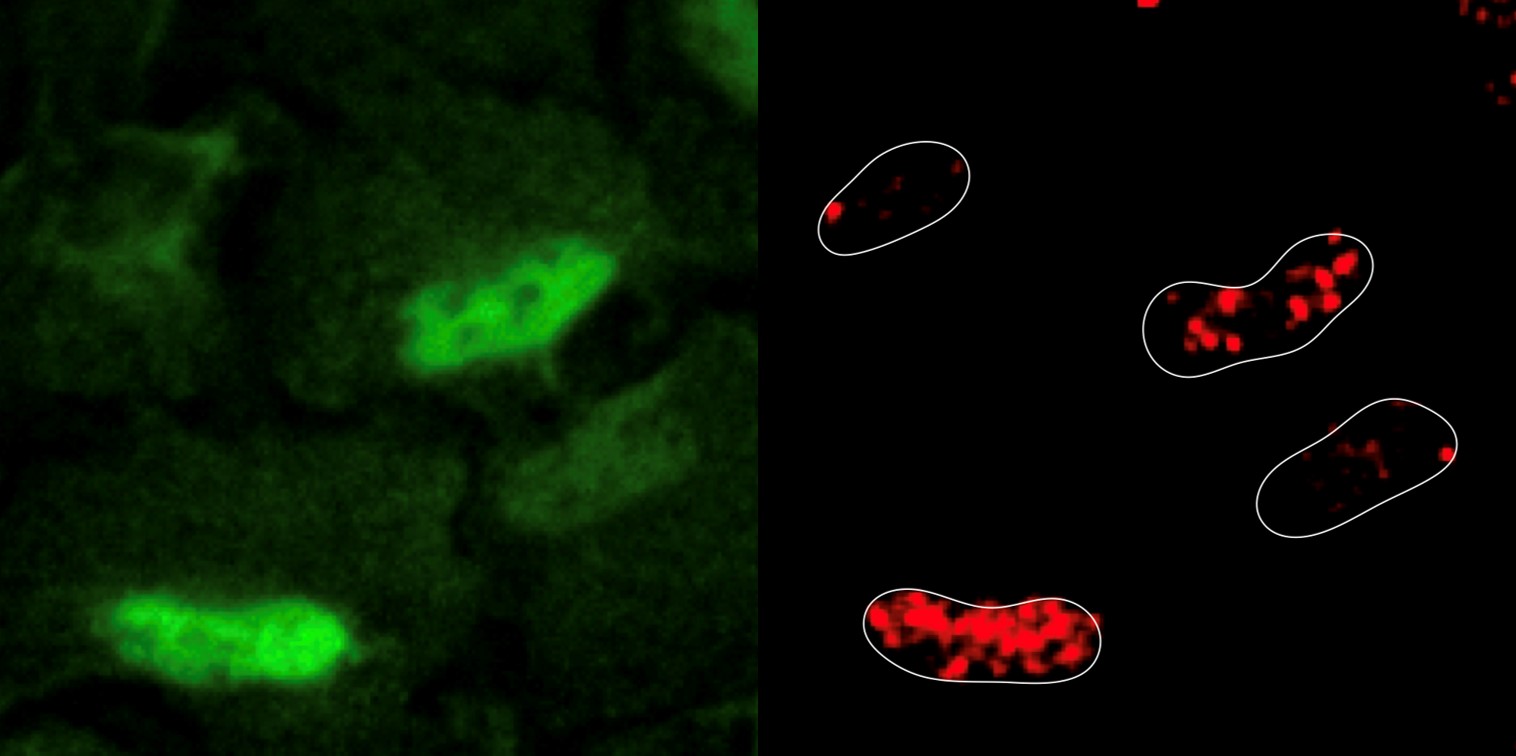
Newly discovered telomeric protein VR, (green spheres) is seen accumulating in nuclei (blue ovals) in human osteosarcoma cancer cells stained in red. (Griffith Lab)

Once thought incapable of encoding proteins due to their simple monotonous repetitions of DNA, tiny telomeres at the tips of our chromosomes seem to hold a potent biological function that’s potentially relevant to our understanding of cancer and aging.

Reporting in the Proceedings of the National Academy of Sciences, UNC School of Medicine researchers Taghreed Al-Turki, Ph.D., and Jack Griffith, Ph.D...

Read More