Category Biology/Biotechnology


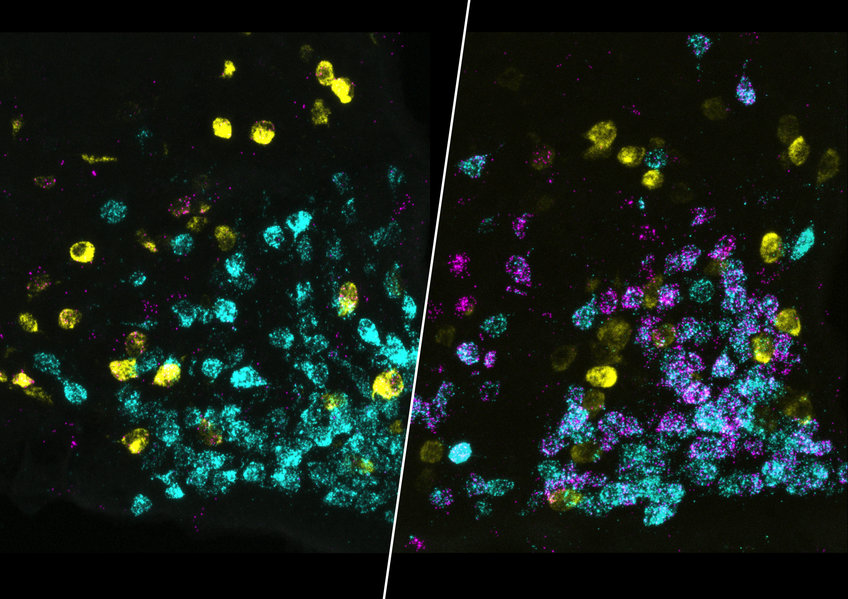
A research group at Nagoya University in Japan has reported that a group of neurons, called EP3 neurons, in the preoptic area of the brain play a key role in regulating body temperature in mammals. The finding could pave the way for the development of a technology that artificially adjusts body temperature to help treat heatstroke, hypothermia, and even obesity. The new study was published in the journal Science Advances.
Body temperature in humans and many other mammals is regulated at around 37°C (98.6°F), which optimizes all regulatory functions. When their body temperature noticeably deviates from the normal range, the functions are impaired, which could lead to heat stroke, hypothermia, and, in the worst case, death...
Read More
Targeting a receptor responsible for our sense of touch and temperature, which researchers have now found to be present in our colon, could provide a new avenue for treating chronic pain associated with gastrointestinal disorders such as irritable bowel syndrome.
A team examining the colon, led by Professor Hongzhen Hu at Washington University and Professor Nick Spencer at Flinders University, identified the presence of Piezo2, the subject of the 2021 Nobel Prize in Physiology or Medicine, now known to be responsible for sensing light touch on our skin.
“In discovering that this receptor is also in our gut, there’s the potential that selectively targeting these channels could be used for long-term silencing of pain sensations from internal organs, without the need for frequent c...
Read More
In a study examining the link between non-alcoholic fatty liver disease (NAFLD) and brain dysfunction, scientists at the Roger Williams Institute of Hepatology, affiliated to King’s College London and the University of Lausanne, found an accumulation of fat in the liver causes a decrease in oxygen to the brain and inflammation to brain tissue — both of which have been proven to lead to the onset of severe brain diseases.
NAFLD affects approximately 25% of the population and more than 80% of morbidly obese people. Several studies have reported the negative effects of an unhealthy diet and obesity can have on brain function however this is believed to be the first study that clearly links NAFLD with brain deterioration and identifies a potential therapeutic target.
The research, c...
Read More


Recent Comments