



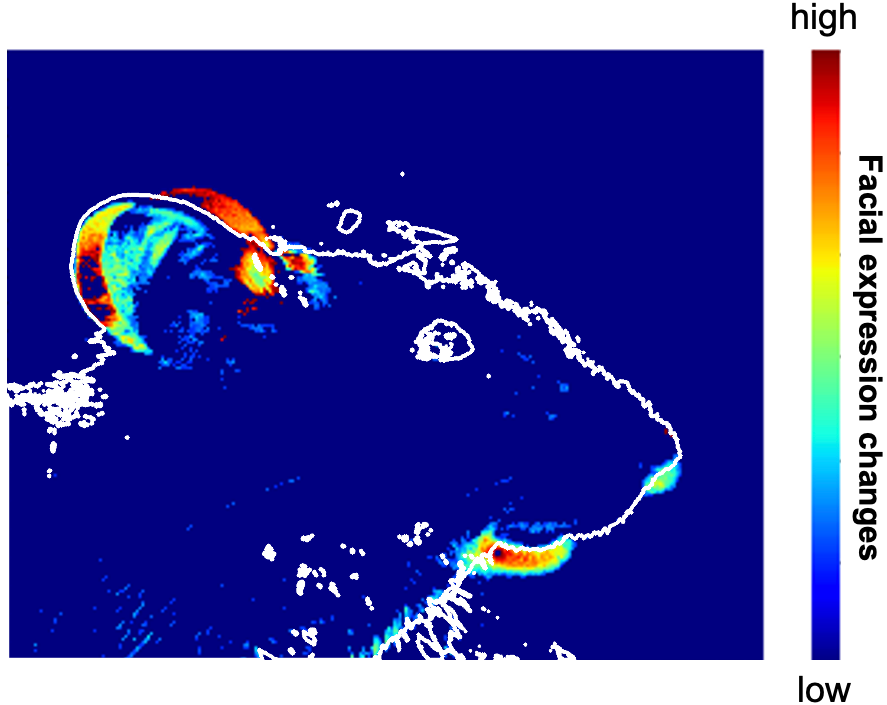
New insights into the opposing actions of serotonin-producing nerve fibres in mice could lead to drugs for treating addictions and major depression.
Scientists in Japan have identified a nerve pathway involved in the processing of rewarding and distressing stimuli and situations in mice.
The new pathway, originating in a bundle of brain stem nerve fibres called the median raphe nucleus, acts in opposition to a previously identified reward/aversion pathway that originates in the nearby dorsal raphe nucleus...
Read More

Recent Comments