Category Biology/Biotechnology

Artificial Intelligence Tools Predict DNA’s Regulatory Role and 3D Structure

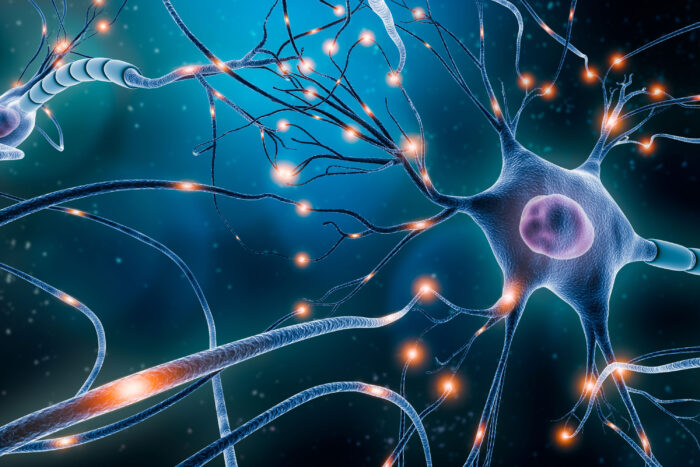
Predicted 3D structure for a segment of human genomic DNA

Sequence modeling algorithms could eventually lead to new ways to fight diseases caused by genetic mutations. Newly developed artificial intelligence (AI) programs accurately predicted the role of DNA’s regulatory elements and three-dimensional (3D) structure based solely on its raw sequence, according to two recent studies in Nature Genetics. These tools could eventually shed new light on how genetic mutations lead to disease and could lead to new understanding of how genetic sequence influences the spatial organization and function of chromosomal DNA in the nucleus, said study author Jian Zhou, Ph.D., Assistant Professor in the Lyda Hill Department of Bioinformatics at UTSW.

“Taken together, these two programs provide a mor...

Read More

Hyaluranic Acid, a naturally occurring Compound, Awakens Stem Cells to Repair Damaged Muscle

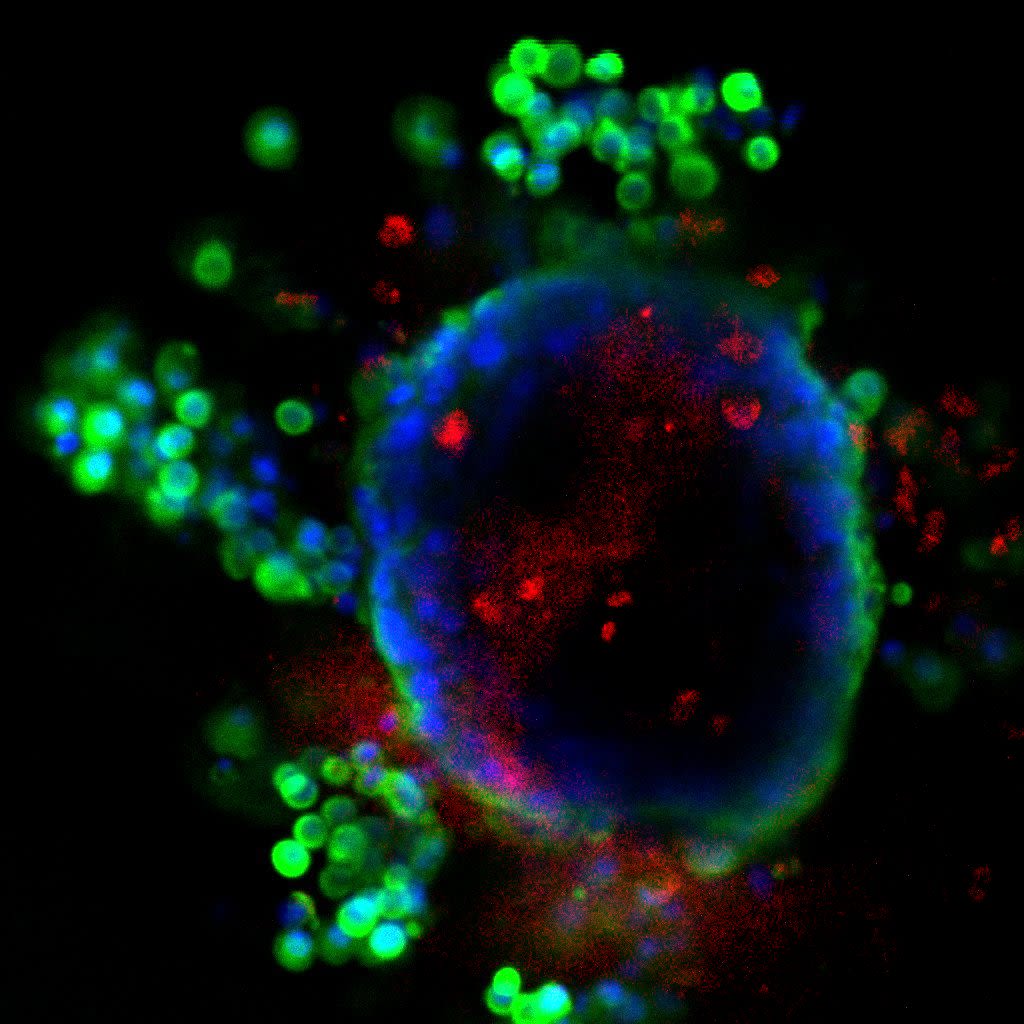
Muscle stem cell on a muscle fiber:
Muscle stem cell on a muscle fiber: When a muscle fiber is damaged, stem cells (in pink) start producing and coating themselves with hyaluronic acid (pale green outline). Once the coating gets thick enough, it causes the muscle stem cells to wake up

A new study published in the journal Science reveals a unique form of cell communication that controls muscle repair. In damaged muscle, stem cells must work together with immune cells to complete the repair process, yet how these cells coordinate to ensure the efficient removal of dead tissue before making new muscle fibers has remained unknown...

Read More

New Patent-Pending method Mass-produces Antitumor cells to Treat Blood Diseases and Cancer

bao-cells
Xiaoping Bao, a Purdue University assistant professor from the Davidson School of Chemical Engineering, has improved upon traditional methods to create human immune cells from human pluripotent stem cells. The research was published in the peer-reviewed journal Cell Reports. (Syahrir Maulana/iStock photo)

A Purdue University chemical engineer has improved upon traditional methods to produce off-the-shelf human immune cells that show strong antitumor activity, according to a paper published in the peer-reviewed journal Cell Reports.

Xiaoping Bao, a Purdue University assistant professor from the Davidson School of Chemical Engineering, said CAR-neutrophils, or chimeric antigen receptor neutrophils, and engraftable HSCs, or hematopoietic stem cells, are effective types of therapies for...

Read More

Flare-ups of Gout are linked to Heart Attack and Stroke

Gout

Experts at the University of Nottingham, in collaboration with experts at Keele University, have found that the risk of heart attacks and strokes temporarily increases in the four months after a gout flare.

The research showed that gout patients who suffered from a heart attack or stroke were twice as likely to have had a gout flare in the 60 days prior to the event, and one and a half times more likely to have a gout flare in the 61-120 days prior.

The results of the study, led by Professor Abhishek in the School of Medicine at the University of Nottingham, are published in the journal JAMA.

Gout is a common form of arthritis that affects one in 40 adults in the UK...

Read More