


Category Biology/Biotechnology
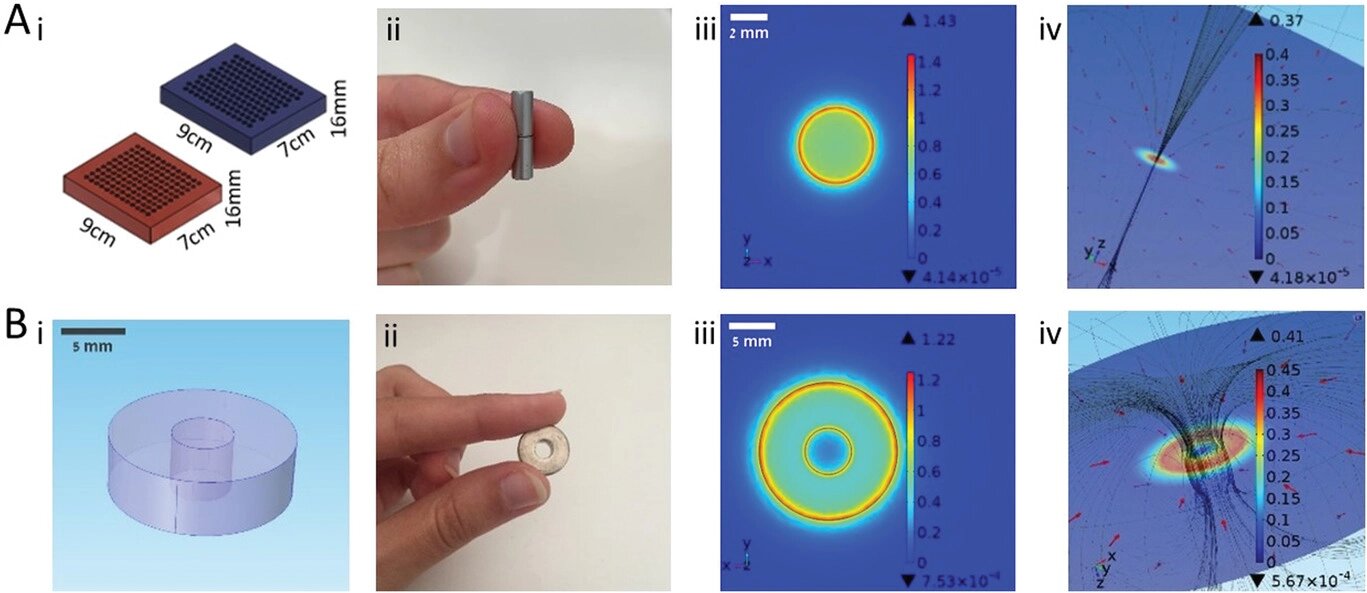
Team creates Nano-Magnets that could Restore Damaged Nerve Cells
November 30, 2022,
 Health/Medical, Biology/Biotechnology
Chemotherapy could Increase Disease Susceptibility in Future Generations
November 29, 2022,
Health/Medical, Biology/Biotechnology

A common chemotherapy drug could carry a toxic inheritance for children and grandchildren of adolescent cancer survivors, Washington State University-led research indicates. The study, published online in iScience, found that male rats who received the drug ifosfamide during adolescence had offspring and grand-offspring with increased incidence of disease. While other research has shown that cancer treatments can increase patients’ chance of developing disease later in life, this is one of the first-known studies showing that susceptibility can be passed down to a third generation of unexposed offspring.
“The findings suggest that if a patient receives chemotherapy, and then later has children, that t...
Read MorePowerful New Tool to Advance Genomics, Disease Research
November 29, 2022,
Health/Medical, Biology/Biotechnology
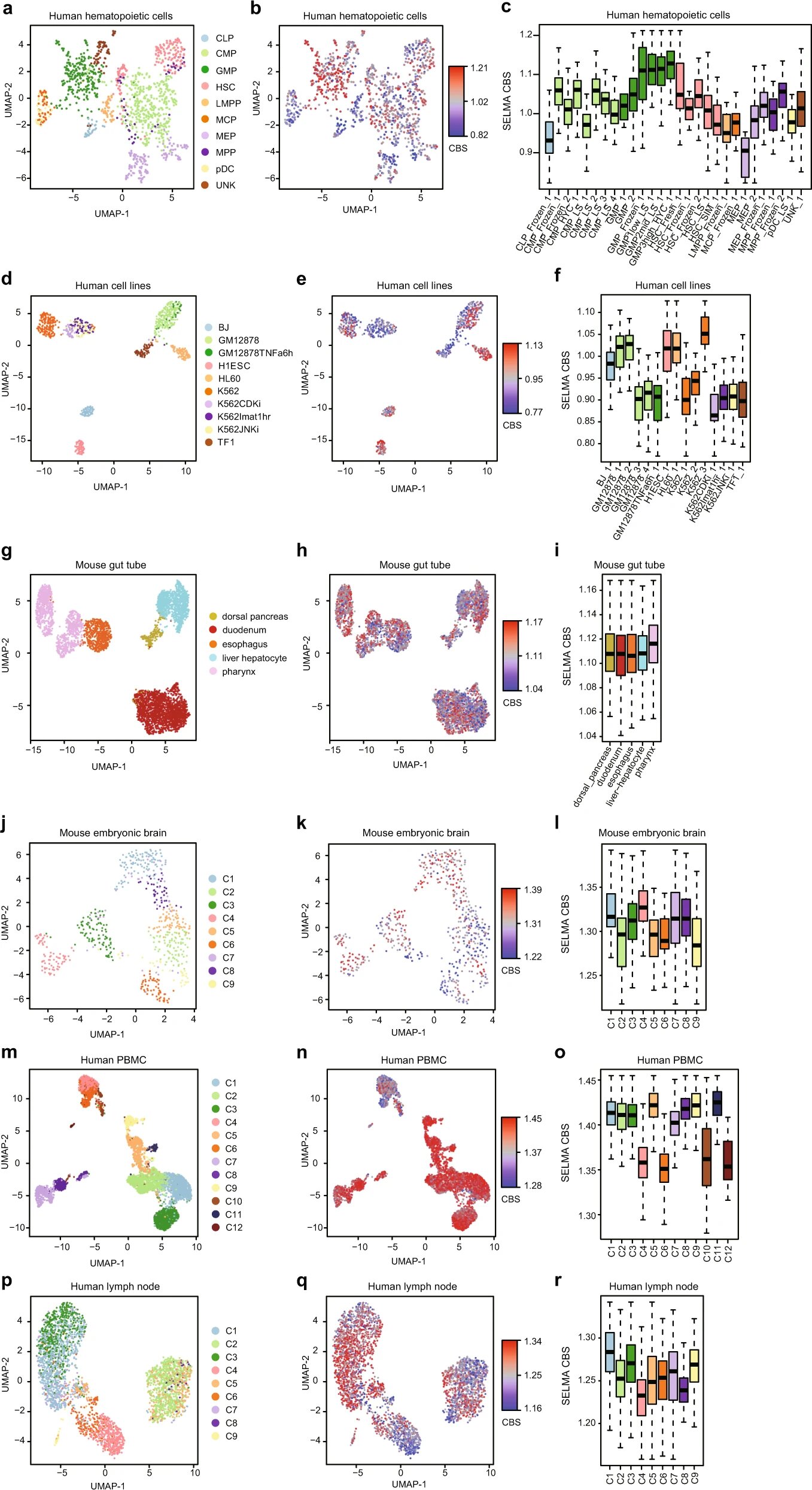
New CRISPR-based Tool Inserts Large DNA Sequences at Desired Sites in Cells
November 26, 2022,
Health/Medical, Biology/Biotechnology
Credits:Image: MIT News, with images from iStockphoto
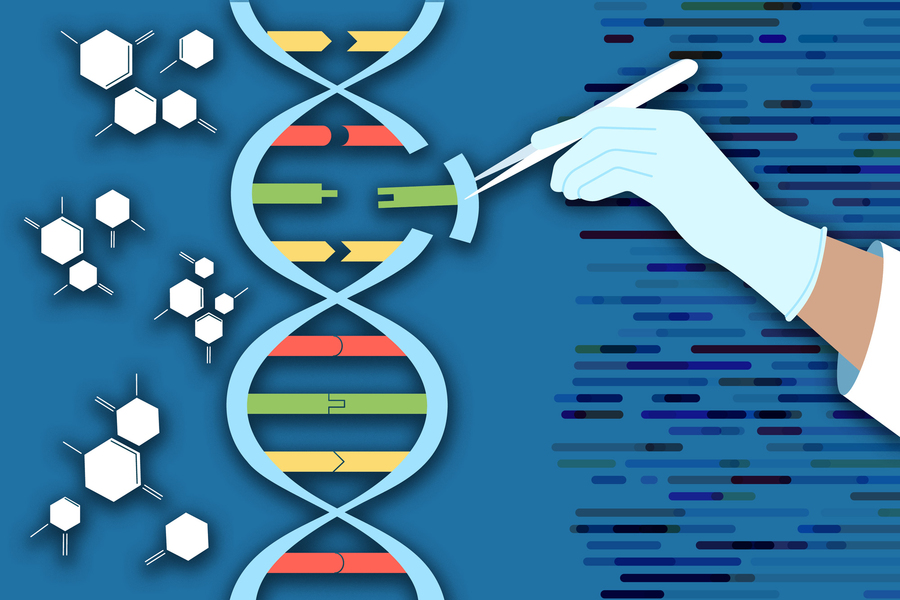
Building on the CRISPR gene-editing system, MIT researchers have designed a new tool that can snip out faulty genes and replace them with new ones, in a safer and more efficient way.
Using this system, the researchers showed that they could deliver genes as long as 36,000 DNA base pairs to several types of human cells, as well as to liver cells in mice. The new technique, known as PASTE, could hold promise for treating diseases that are caused by defective genes with a large number of mutations, such as cystic fibrosis.
“It’s a new genetic way of potentially targeting these reall...
Read More
Recent Comments