Category Biology/Biotechnology

Skin’s Protective Chains uncovered

Structures and nomenclature of human ceramide classes. A and B: Structures of LCBs (A) and FAs (B) in human ceramides. The abbreviations used in this study are shown in parentheses after each compound name, and those recommended by LIPID MAPS (https://www.lipidmaps.org) are shown below them, with each number corresponding to an n value of 1 or 15, as indicated in the figure. Two models have been proposed for how protein-bound ceramides bind to corneocyte envelope proteins

The skin’s top layer contains a diverse set of hundreds of lipid molecules called ceramides with varying chain lengths that play a vital role in its barrier function.

Ceramides are a type of lipid that are found in abundance in the top layer of the skin, called the stratum corneum...

Read More

Innovative Lung-Imaging Technique shows cause of Long COVID symptoms

Innovative lung-imaging technique shows cause of long-COVID symptoms
By having study participants inhale polarized xenon gas while inside the MRI, the researchers see in real-time the function of the 300-500 million tiny alveolar sacs, which are responsible for delivering oxygen to the blood. Credit: Paulina Wyszkiewicz / Western University

Many who experience what is now called “long COVID” report feeling brain fog, breathless, fatigued and limited in doing everyday things, often lasting weeks and months post-infection. Using functional MRI with inhaled xenon gas, researchers have now identified for the first time that these debilitating symptoms are related to microscopic abnormalities that affect how oxygen is exchanged from the lungs to the red blood cells.

The LIVECOVIDFREE study, based at five centers across Ontario, and led by Western Universi...

Read More

Biofinder Advances Detection of Extraterrestrial Life

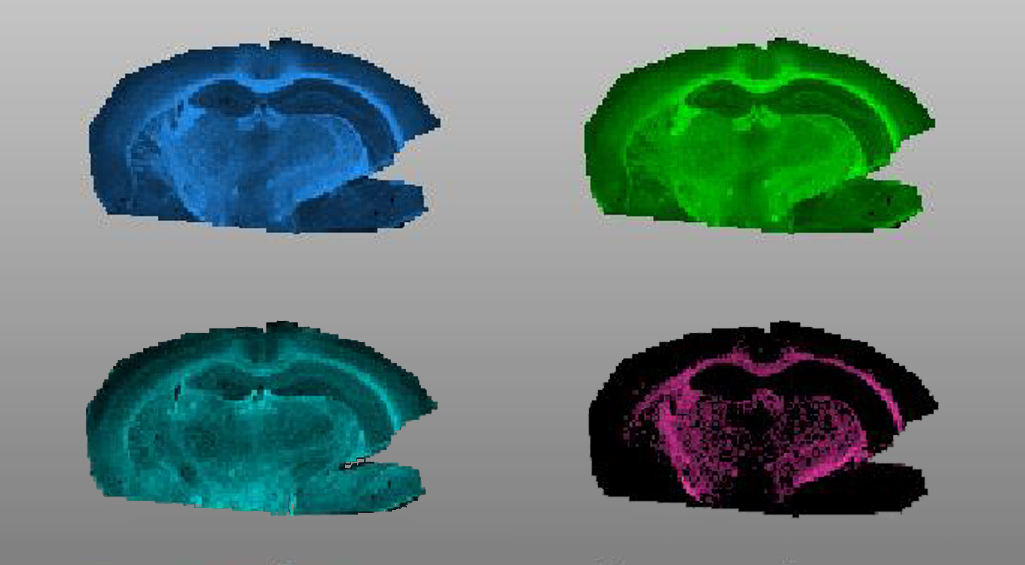
Biofinder detection of biological resides in fish fossil. (a) White light image of a Green River formation fish fossil (b) Fluorescence image of the fish fossil obtained by the Biofinder.
Biofinder detection of biological resides in fish fossil. (a) White light image of a Green River formation fish fossil (b) Fluorescence image of the fish fossil obtained by the Biofinder. Credit: Misra, et al., 2022.

An innovative scientific instrument, the Compact Color Biofinder, developed by a team of University of Hawai’i at Manoa researchers, may change the game in the search for signs of extraterrestrial life.

Most biological materials, for example, amino acids, fossils, sedimentary rocks, plants, microbes, proteins and lipids, have strong organic fluorescence signals that can be detected by specialized scanning cameras...

Read More

Secrets of Aging Revealed in Largest Study on Longevity, Aging in Reptiles and Amphibians

Painted turtle (stock image).
Credit: © Brian E Kushner / stock.adobe.com

An international team of 114 scientists reports the most comprehensive study of aging and longevity to date of reptiles and amphibians worldwide. Among their many findings, they document for the first time that turtles, crocodilians and salamanders have particularly low aging rates and extended lifespans for their sizes. The team also finds that protective phenotypes, such as the hard shells of most turtle species, contribute to slower aging, and in some cases even ‘negligible aging’ – or lack of biological aging.

At 190 years old, Jonathan the Seychelles giant tortoise recently made news for being the “oldest living land animal in the world...

Read More