Category Biology/Biotechnology

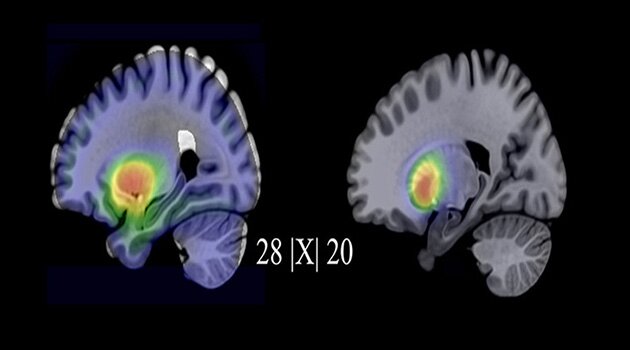
Single Brain Scan can Diagnose Alzheimer’s disease

A single MRI scan of the brain could be enough to diagnose Alzheimer’s disease, according to new research by Imperial College London.

The research uses Machine Learning technology to look at Structural features within the brain, including in regions not previously associated with Alzheimer’s. The advantage of the technique is its simplicity and the fact that it can identify the disease at an early stage when it can be very difficult to diagnose.

Although there is no cure for Alzheimer’s disease, getting a diagnosis quickly at an early stage helps patients. It allows them to access help and support, get treatment to manage their symptoms and plan for the future...

Read More

COVID-19 on the brain: Neurological Symptoms Persist in Majority of Long-Haulers

Study: Evolution of neurologic symptoms in non-hospitalized COVID-19 “long haulers.” Image Credit: fizkes / Shutterstock.com

Longitudinal study describes short- and long-term neurological symptoms of SARS-CoV-2 infection; identifies new subgroup with advanced symptoms. Researchers at University of California San Diego School of Medicine are conducting a longitudinal study to track neurological symptoms in COVID-19 “long-haulers.”

The first round of results, published June 15, 2022 in Annals of Clinical and Translational Neurology, revealed the prevalence of various short- and long-term symptoms and found that, while many patients showed improvement, the majority still had some neurological symptoms after six months...

Read More

Trade the Chair for Fresh Air: Sitting Time and Cardiac Health

New research is adding further weight to the argument that prolonged sitting may be hazardous to your health. An international study surveying more than 100,000 individuals in 21 countries found that people who sat for six to eight hours a day had a 12-13 per cent increased risk for early death and heart disease, while those who sat for more than eight hours daily increased that to a sobering 20 per cent.

The study, co-led by Simon Fraser University health sciences professor Scott Lear and Wei Li of Beijing’s Chinese Academy of Medical Sciences, is published today in the journal Jama Cardiology...

Read More

Vitamin D Deficiency directly linked to Dementia

Vitamin D supplement

Dementia is one of the major causes of disability and dependency among older people worldwide, affecting thinking and behaviors as you age. But what if you could stop this degenerative disease in its tracks?

A world-first study from the University of South Australia could make this a reality as new genetic research shows a direct link between dementia and a lack of vitamin D.

Investigating the association between vitamin D, neuroimaging features, and the risk of dementia and stroke, the study found:

  • low levels of vitamin D were associated with lower brain volumes and an increased risk of dementia and stroke
  • genetic analyses supported a causal effect of vitamin D deficiency and dementia.
  • in some populations as much as 17% of dementia cases might be prevented by increasing everyo...
Read More