Category Biology/Biotechnology

How Air Pollution Alters Lung Tissue, increasing Cancer Susceptibility

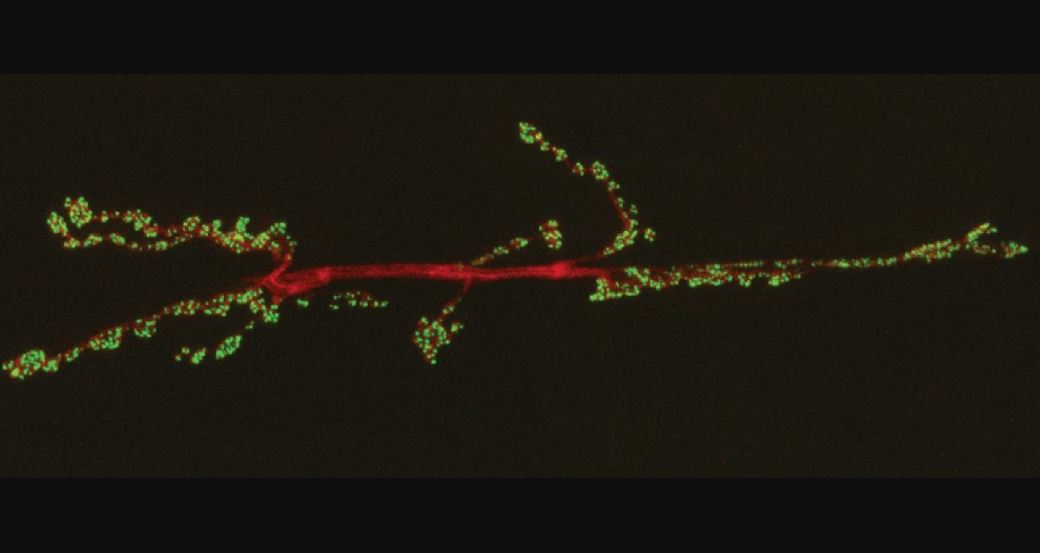
Inhaled fine particulate matter (shown here in red) pulls strings of collagen to disturb the immune defence in mice with lung cancer cells. This activity delays the movement of cytotoxic T-cells (purple) as they migrate towards the cancer cells (green) to destroy them. Image credit: Wang et al. 

Scientists have identified a mechanism that explains how fine air pollution particles might cause lung cancer, according to a study published today in eLife.

The findings could lead to new approaches for preventing or treating the initial lung changes that lead to the disease.

Tiny, inhalable fine particulate matter (FPM) found in air pollutants has been recognised as a Group 1 carcinogen and a substantial threat to global health...

Read More

New knowledge on Lymphoid Cell Maturity could lead to more Effective IBD Therapies

Illustration: GettyImages.

A research group at Karolinska Institutet in Sweden has analysed how certain immune cells known as innate lymphoid cells (ILCs) develop into mature cells that play a part in inflammatory bowel disease (IBD). The findings could pave the way for more effective treatments against IBD, a disease that causes considerable suffering and that is linked to an increased risk of colorectal cancer. The results are published today in the journal Science Immunology.

Inflammatory bowel disease (IBD) is characterised by a chronic inflammation of the gut mucosa that is thought to increase the risk of colon cancer. The disease often debuts before middle age with symptoms such as abdominal pain and weight loss...

Read More

Low-Dose Lithium May Slow Kidney Aging

Best known therapeutically as a treatment for bipolar disorder, lithium has long intrigued researchers with its potential age-defying properties.

The element has been shown in lab experiments to extend the lifespan of fruit flies and roundworms, while observational studies have suggested tap water naturally laced with trace amounts of lithium might improve human longevity.

Researchers at The University of Toledo have recently found that low-dose lithium acts as a powerful anti-aging agent in the kidneys.

“Lithium’s effect on aging has been a hot topic, with several intriguing observations coming out in recent years,” said Dr. Rujun Gong, UToledo professor of medicine. “As people are living longer than ever, it’s crucial we find ways to slow or halt kidney aging...

Read More

Sunscreen doesn’t protect as well as it could: Here is what is missing

By adding key antioxidants to sunscreens and anti-ageing creams, sun damage will decrease

Add iron-trapping extracts to sunscreen to make it a lot more effective. A key ingredient is missing from all sunscreens and anti-aging creams, and our skin will be far better protected from the damaging effects of the sun once this rich source of natural photoprotection has been added.

This is the finding of a new study into sun-related skin aging carried out at the UK’s University of Bath and published in the journal Antioxidants.

The missing ingredient is a class of antioxidant (a type of stable molecule) commonly found in nature...

Read More