Category Biology/Biotechnology

Cutting Calories and Eating at the Right Time of day leads to Longer Life in Mice

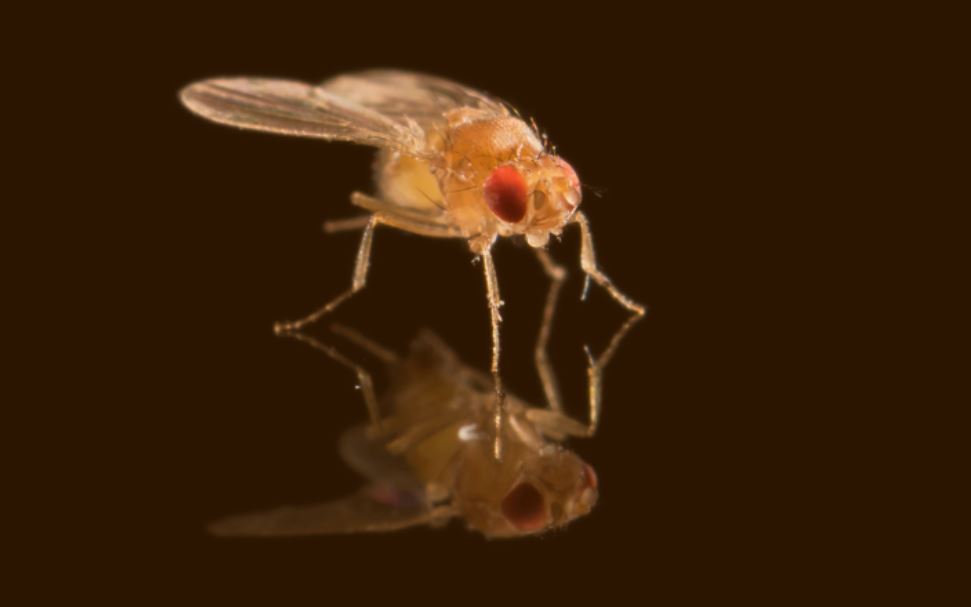
Experiments that tested various diet plans in mice found that the animals live longest on a low-calorie diet with daily fasting periods. Credit: Fernando Augusto/made-for.studio 

In a study that followed hundreds of mice over their lifespans, calorie restriction combined with time-restricted eating boosted longevity. One recipe for longevity is simple, if not easy to follow: eat less. Studies in a variety of animals have shown that restricting calories can lead to a longer, healthier life.

Now, new research suggests that the body’s daily rhythms play a big part in this longevity effect...

Read More

Repairing Tendons with Silk Proteins

Researchers have developed a silk composite for significantly improved tendon regeneration and repair. Just mentioning a ruptured Achilles tendon would make anyone wince. Tendon injuries are well known for their lengthy, difficult and often incomplete healing processes. Sudden or repetitive motion, experienced by athletes and factory workers, for example, increases the risk of tears or ruptures in the tendons; thirty percent of all people will have a tendon injury, with the risk being highest in women. What’s more, those who suffer from these injuries are more prone to further injuries at the site or never recover fully.

Tendons are bands of fibrous connective tissue that attach muscles to bones...

Read More

Study Preserves Memory in mice, offering promising new basis for Active Immunization against Alzheimer’s disease

During experiments in animal models, researchers at the University of Kansas have discovered a possible new approach to immunization against Alzheimer’s disease (AD).

Their method uses a recombinant methionine (Met)-rich protein derived from corn that was then oxidized in vitro to produce the antigen: methionine sulfoxide (MetO)-rich protein. This antigen, when injected to the body, goads the immune system into producing antibodies against the MetO component of beta-amyloid, a protein that is toxic to brain cells and seen as a hallmark of Alzheimer’s disease. The findings have been just published in the peer-reviewed open-access journal Antioxidants.

“As we age, we have more oxidative stress, and then beta-amyloid and other proteins accumulate and become oxidized and aggregated ...

Read More

‘Resetting’ the Injured Brain Offers Clues for Concussion Treatment

About 85% of traumatic brain injuries are similar to the type of concussion examined in this study, involving dispersed impact to the head.
Illustration: Getty Images

In mice, ‘turning over’ cells reverses cognitive, behavior problems. New research in mice raises the prospects for development of post-concussion therapies that could ward off cognitive decline and depression, two common conditions among people who have experienced a moderate traumatic brain injury.

The study in mice clarified the role of specific immune cells in the brain that contribute to chronic inflammation. Using a technique called forced cell turnover, researchers eliminated these cells in the injured brains of mice for a week and then let them repopulate for two weeks.

“It’s almost like hitting the reset butt...

Read More