Category Biology/Biotechnology

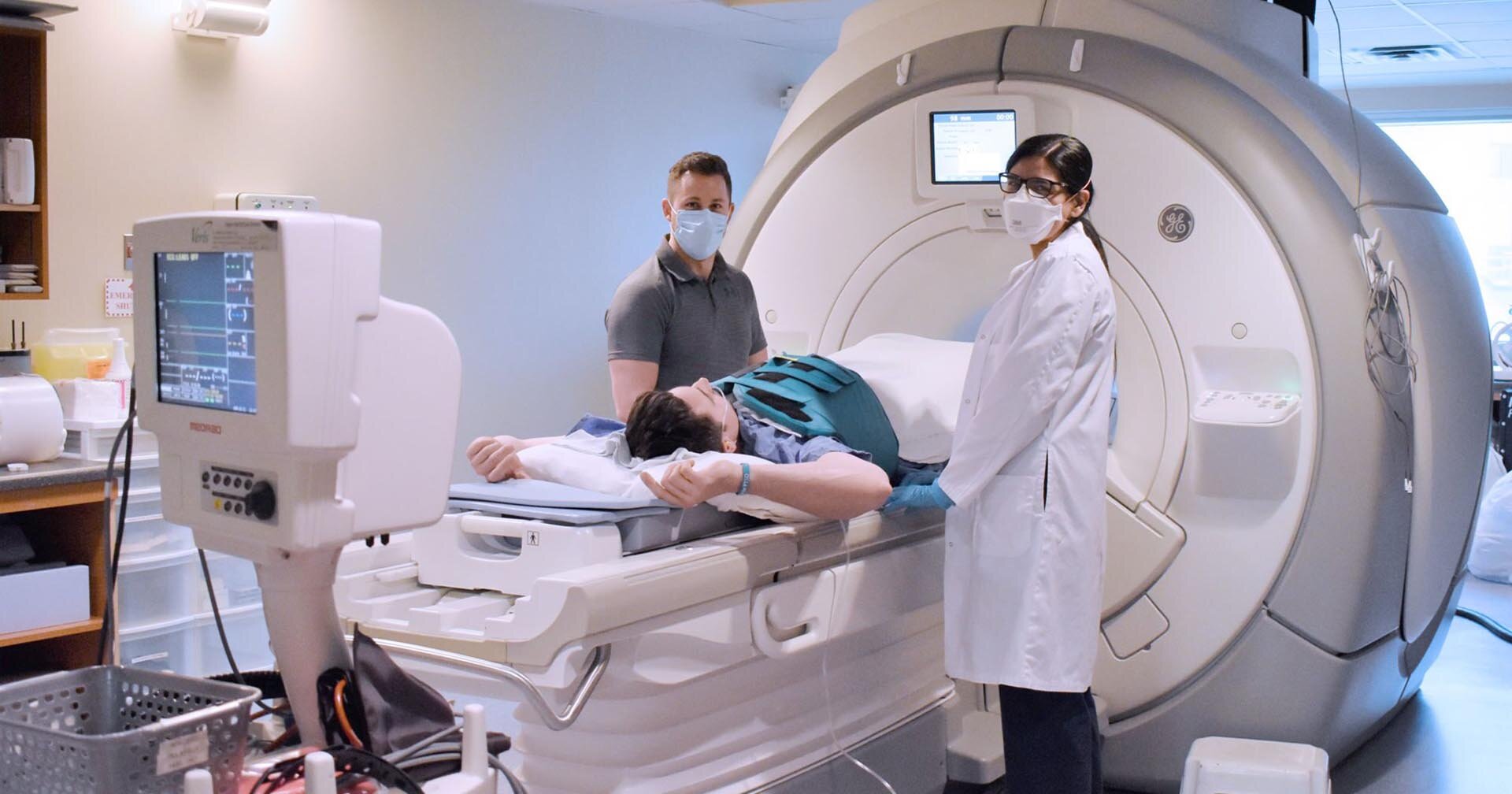
30-60 mins of Weekly Muscle Strengthening Activity linked to 10-20% Lower Death Risk

Credit: Unsplash/CC0 Public Domain

Between 30 and 60 minutes of muscle strengthening activity every week is linked to a 10-20% lower risk of death from all causes, and from cardiovascular disease, diabetes, and cancer, in particular, finds a pooled data analysis of the available evidence, published online in the British Journal of Sports Medicine.

The findings are independent of aerobic exercise. But the analysis points to a J-shaped curve for most outcomes, with no conclusive evidence that more than an hour a week of muscle strengthening activity reduces the risk further still.

Physical activity guidelines recommend regular muscle strengthening activities for adults, primarily because of the known benefits for skeletal muscle health...

Read More

Bark of Neem Tree may Protect Against Coronavirus Variants, study finds

New research reveals Neem-based drugs may help fight future coronavirus variants. Extract from the bark of the Neem tree may help treat and reduce the spread of coronavirus, according to a new study led by scientists at the University of Colorado Anschutz Medical Campus and the Indian Institute of Science Education and Research Kolkata.

The study, reported recently in the journal Virology, shows that components of Neem bark may target a wide range of viral proteins, suggesting its potential as an antiviral agent against emerging variants of coronaviruses (including SARS-CoV-2).

The Neem tree, indigenous to India, has been used for thousands of years for its anti-parasitic, anti-bacterial and antiviral properties...

Read More

Scientists reveal the Mechanism of Skeletal Muscle Stem Cell Activation in Muscle Regeneration

Discordant proteomic and transcriptomic signatures reveal a potential translational control mechanism during the SC quiescence-to-activation transition. a Schematic illustration of the workflow for the proteomic analysis of FACS-isolated SCs. The SCs were sorted from Pax7-nGFP mice. QSCs were sorted from 0.5% PFA-perfused mice. fiSCs were sorted from unperfused mice. Injured ASCs (iASCs) were sorted from 3 days 1.2% BaCl2 injured mice. Cultured ASCs (cASCs) were 2 days cultured SCs. (n = 2 independent experiments). b Hierarchical clustering of the protein expression (in the number of spectra) for QSCs, fiSCs, iASCs, and cASCs. c Heatmap of representative expression for cell cycle, quiescence, and activation-specific proteins of QSCs, fiSCs, iASCs, and cASCs...
Read More

A Type of Virus present in the Gut Microbiota is Associated with Better Cognitive Ability in Humans, Mice and Flies

Study finds a greater presence of these viruses in people who eat dairy products in their regular diet. New research associates the presence of Caudovirales in gut microbiota to an improvement in cognitive functions and memory in humans, mice and flies. The article, published in the journal Cell Host & Microbe, was led by Dr. Jordi Mayneris-Perxachs and Dr. José Manuel Fernández-Real, of the Nutrition, Eumetabolism and Health group of the Girona Biomedical Research Institute (IDIBGI) Dr. Josep Trueta and CIBEROBN, and has been carried out in collaboration with the Neuropharmacology research group led by Dr...

Read More