Category Biology/Biotechnology

Insulin in the Brain influences Dopamine Levels

In the human brain, the hormone insulin also acts on the most important neurotransmitter for the reward system, dopamine. This was shown by researchers from the German Center for Diabetes Research (DZD) in Tübingen. Insulin lowers the dopamine level in a specific region of the brain (striatum *) that regulates reward processes and cognitive functions, among other things. This interaction can be an important driver of the brain’s regulation of glucose metabolism and eating behavior. The study has now been published in the Journal of Clinical Endocrinology & Metabolism.

Worldwide, more and more people are developing obesity and type 2 diabetes. Studies show that the brain plays an important role in causing these diseases...

Read More

Neurobiologists Identify a New Gene important for Healthy Daily Rhythms

Loss of this gene affects daily behavior, disrupting ~24-hour sleep-wake cycles. Life is organized on a 24-hour schedule. Central to this regular rhythm is the circadian clock, timekeepers that are present in virtually every organ, tissue and cell type. When a clock goes awry, sleep disruption or a variety of diseases can result.

A recent Northwestern University discovery could help in understanding how this clock is linked to daily cycles. A team of neurobiologists has identified a new gene, called Tango10, that is critical for daily behavioral rhythms. This gene is involved in a molecular pathway by which the core circadian clock (the “gears”) controls the cellular output of the clock (the “hands”) to control daily sleep-wake cycles.

While the study was done using the fruit fl...

Read More

‘Deepfaking the Mind’ could improve Brain-Computer Interfaces for people with Disabilities

A USC TEAM SUCCESSFULLY TAUGHT AN AI TO GENERATE SYNTHETIC BRAIN ACTIVITY DATA, WHICH COULD IMPROVE THE USABILITY OF BRAIN-COMPUTER INTERFACES. PHOTO/ISTOCK.

Researchers at the USC Viterbi School of Engineering are using generative adversarial networks (GANs) — technology best known for creating deepfake videos and photorealistic human faces — to improve brain-computer interfaces for people with disabilities.

In a paper published in Nature Biomedical Engineering, the team successfully taught an AI to generate synthetic brain activity data. The data, specifically neural signals called spike trains, can be fed into machine-learning algorithms to improve the usability of brain-computer interfaces (BCI).

BCI systems work by analyzing a person’s brain signals and translating that neur...

Read More

Research in Mice shows how Diet Alters Immune System Function through a Gut Microbe

Design Cells/iStock / Getty Images Plus

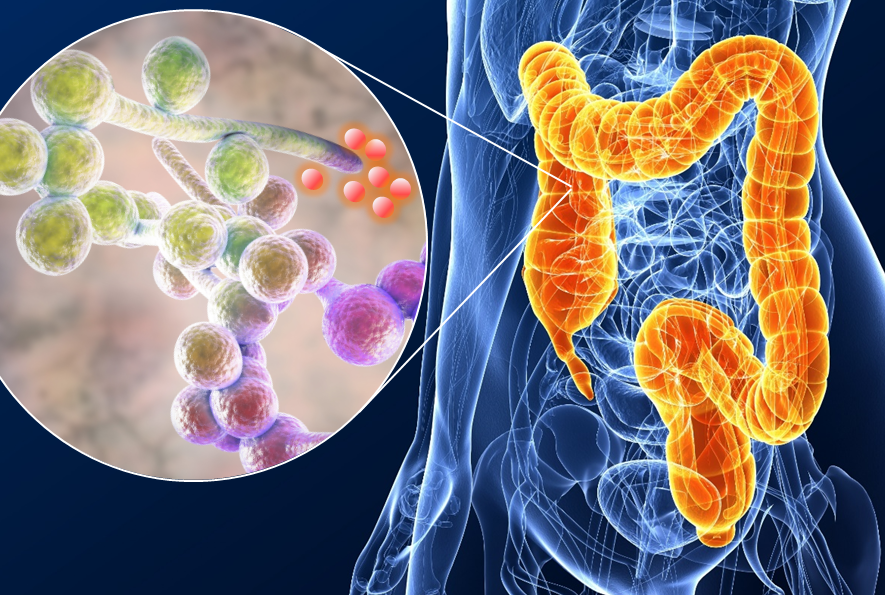
Research in mice demonstrates how diet alters a gut microbe molecule that, in turn, prompts immune cells to downregulate inflammation. The study elucidates molecular mechanism behind long-standing belief that diet, microbiota, and immunity influence one another in myriad ways. If affirmed in larger animals and humans, the findings could inform the design of small-molecule drugs that regulate immune response to treat inflammatory conditions.

The cliché “you are what you eat” has been used for hundreds of years to illustrate the link between diet and health. Now, an international team of researchers has found the molecular proof of this concept, demonstrating how diet ultimately affects immunity through the gut microbiome.

The work, conducte...

Read More