Category Biology/Biotechnology


A study comparing the impact of diet versus drugs on the inner workings of our cells has found nutrition has a much stronger impact.
The pre-clinical study by the University of Sydney’s Charles Perkins Centre suggests the makeup of our diet could be more powerful than drugs in keeping conditions like diabetes, stroke and heart disease at bay.
Conducted in mice, the research showed nutrition (including overall calories and macronutrient balance) had a greater impact on ageing and metabolic health than three drugs commonly used to treat diabetes and slow down ageing.
The findings are published in Cell Metabolism.
The research builds on the team’s pioneering work in mice and humans demonstrating the protective role of diet and specific combinations of proteins, fats and carbo...
Read More
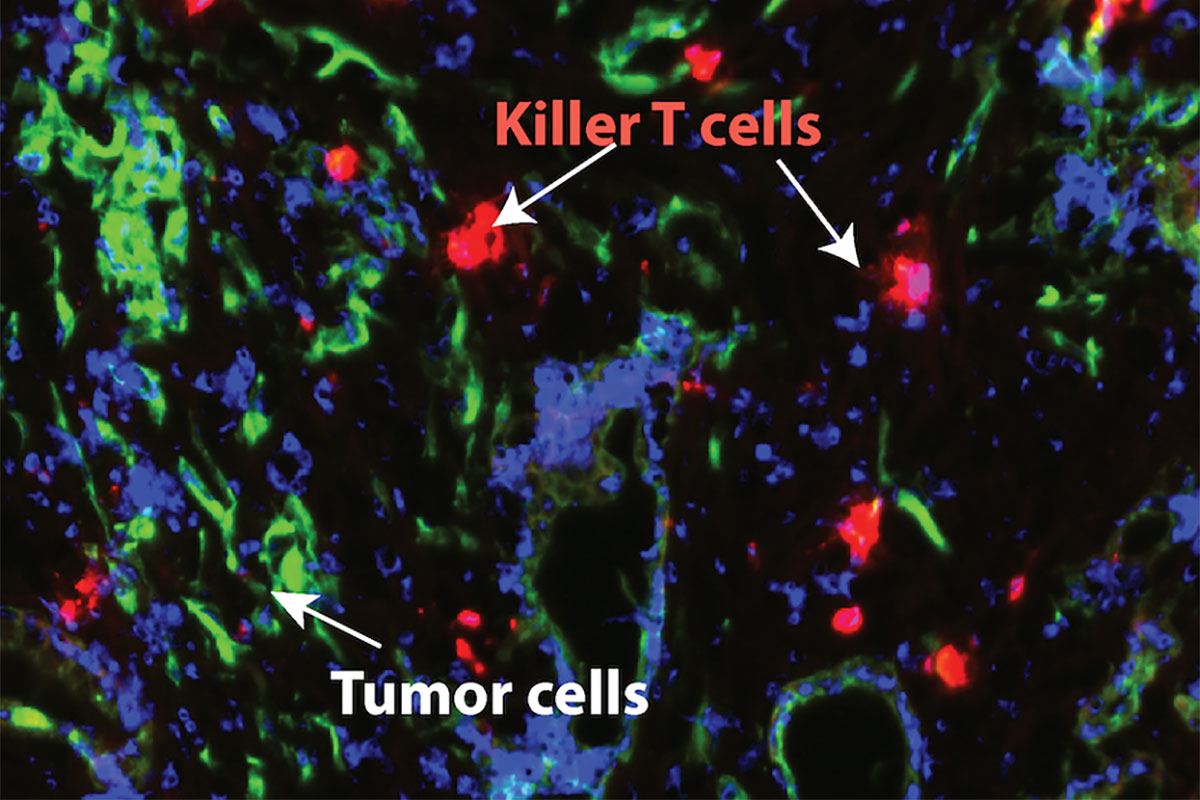
Doctors and scientists from the German Cancer Research Center (DKFZ) and from Heidelberg University’s Medical Faculty Mannheim have successfully tested a neoantigen-specific transgenic immune cell therapy for malignant brain tumors for the first time using an experimental model in mice.
Cellular immunotherapies that specifically target malignant tumors are thought to be a promising approach in cancer medicine. However, a basic requirement for this kind of targeted immunotherapy is to identify target molecules that are found exclusively on the tumor cells and are recognized by the immune system.
Malignant gliomas are incurable brain tumors that spread in the brain and cannot be completely removed by surgery...
Read More
MIT biologists have answered an important biological question: Why do cells control their size? Cells of the same type are strikingly uniform in size, while cell size differs between different cell types. This raises the question of whether cell size is important for cellular physiology.
The new study suggests that cellular enlargement drives a decline in function of stem cells. The researchers found that blood stem cells, which are among the smallest cells in the body, lose their ability to perform their normal function — replenishing the body’s blood cells — as they grow larger. However, when the cells were restored to their usual size, they behaved normally again.
The researchers also found that blood stem cells tend to enlarge as they age...
Read More


Recent Comments