Category Biology/Biotechnology

Using the Eye as a Window into Heart Disease

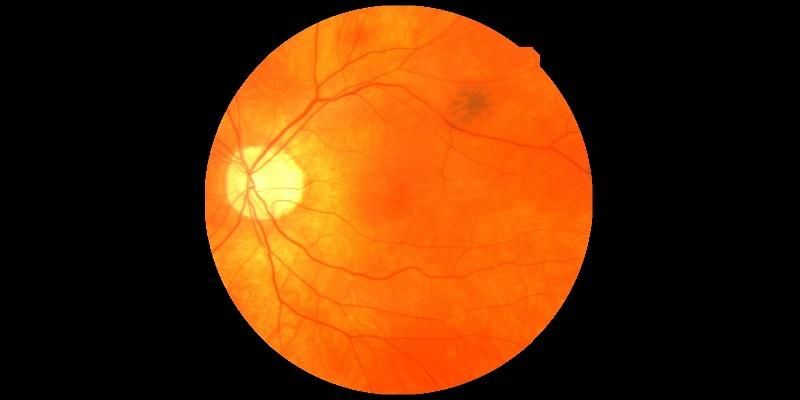
Scientists have developed an artificial intelligence (AI) system that can analyse eye scans taken during a routine visit to an optician or eye clinic and identify patients at a high risk of a heartattack.

Doctors have recognised that changes to the tiny blood vessels in the retina are indicators of broader vascular disease, including problems with the heart.

In the research, led by the University of Leeds, deep learning techniques were used to train the AI system to automatically read retinal scans and identify those people who, over the following year, were likely to have a heart attack.

Deep learning is a complex series of algorithms that enable computers to identify patterns in data and to make predictions.

Writing in the journal Nature Machine Intelligence, the researc...

Read More

Late-Life Exercise shows Rejuvenating Effects on Cellular Level

A new study suggests that exercise, even if not adopted until later in life, can slow the effects of aging. When 2-year old mice were studied after two months of progressive weighted wheel running, despite having no prior training, it was determined that they were the epigenetic age of mice eight weeks younger than sedentary mice of the same age.

For people who hate exercising, here comes some more bad news: it may also keep you younger. Not just looking younger, but actually younger, on an epigenetic level. By now, the benefits of exercise have been well established, including increased strength of bones and muscles, improved mobility and endurance, and lower risk of heart disease, diabetes and high blood pressure.

But younger?

A study recently published in Aging Cell, “Late...

Read More

Yale Researchers Track the Lifespan and Myriad Functions of mRNA

(© stock.adobe.com)

It took a global pandemic, but the critical role of messenger RNA in all of life’s functions has taken center stage in the past year with the successful rollout of mRNA vaccines to combat the SARS-Cov-2 virus.

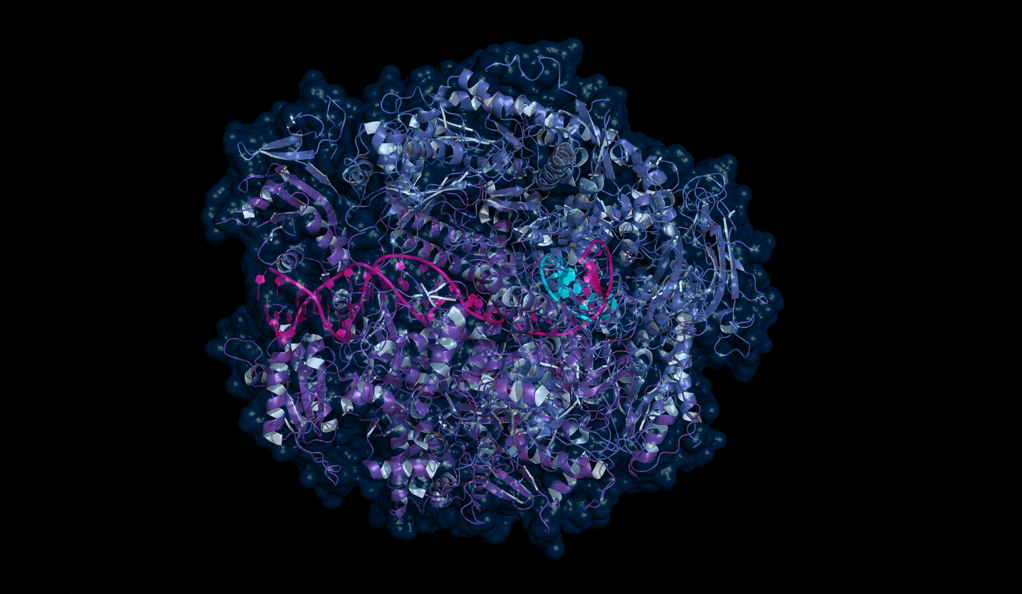
In two new papers published the week of Jan. 17, the lab of Yale’s Wendy Gilbert sheds light on how mRNAs are born and how they regulate production of proteins inside of our cells once they reach maturity. The findings have implications not only for achieving effective doses for new vaccines, but for helping determine the biological roots of many cancers and diseases.

“It’s been exciting to be able to study the beginning and end of this process,” said Gilbert, associate professor of molecular biophysics and biochemistry.

In classic textbook...

Read More

Magnesium is essential for the Immune System, including in the Fight Against Cancer

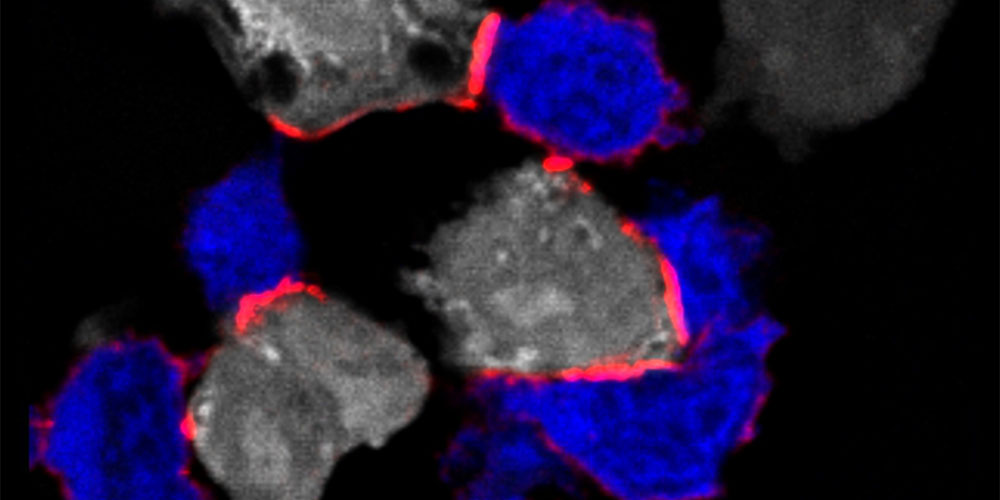
Immunofluorescence microscopy: T cells (blue) attack cancer cells (gray) by binding to them via their surface protein LFA-1. LFA-1 needs magnesium to adopt an active, elongated form (active LFA-1 in red). (Image: J. Lötscher et al., Cell, 2022)

The level of magnesium in the blood is an important factor in the immune system’s ability to tackle pathogens and cancer cells. Writing in the journal Cell, researchers from the University of Basel and University Hospital Basel have reported that T cells need a sufficient quantity of magnesium in order to operate efficiently. Their findings may have important implications for cancer patients.

Magnesium deficiency is associated with a variety of diseases, such as infections and cancer...

Read More