Category Biology/Biotechnology

Cholesterol drives Alzheimer’s Plaque Formation

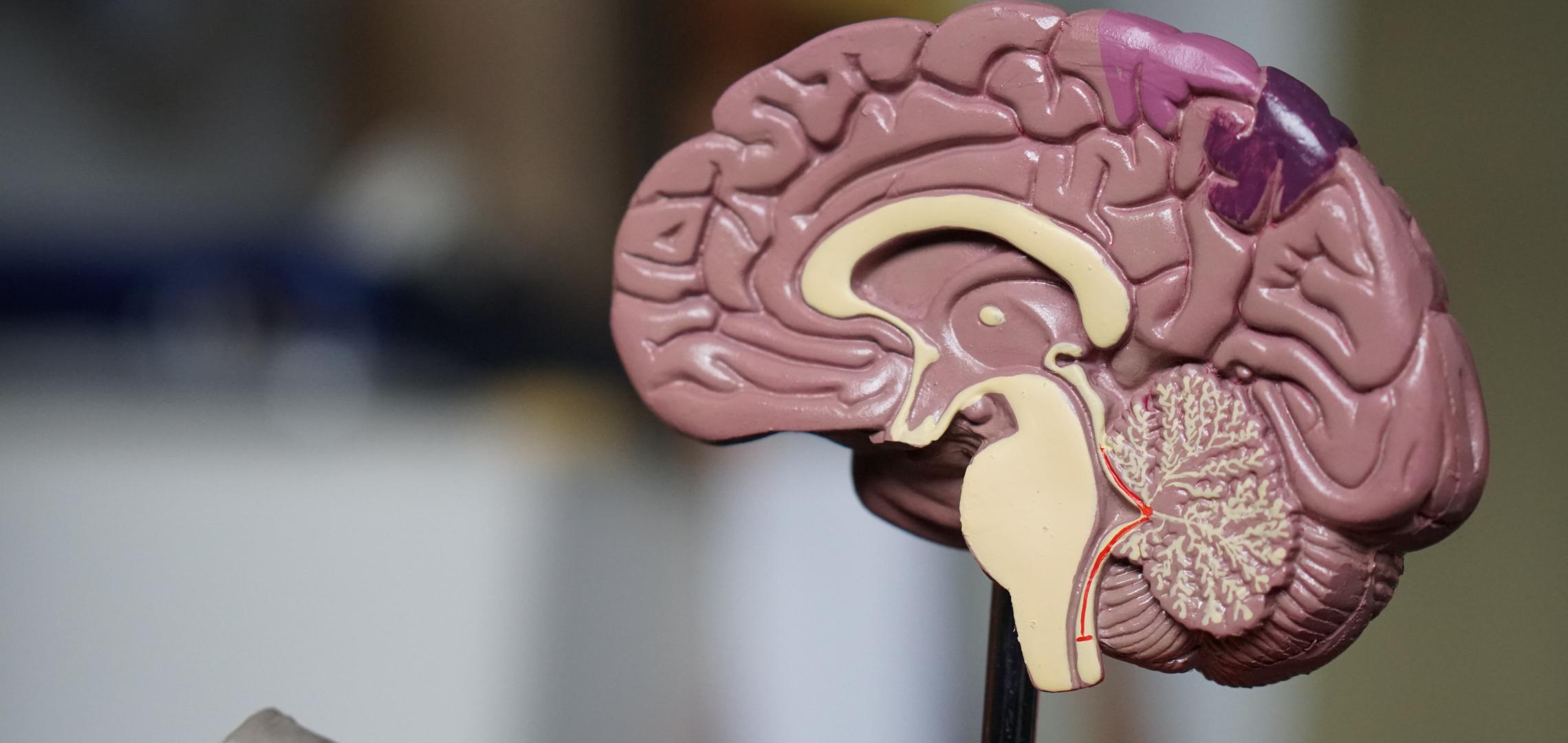
Amyloid plaques form among neurons in Alzheimer’s disease. New research suggests cholesterol plays a key role.

Cholesterol manufactured in the brain appears to play a key role in the development of Alzheimer’s disease, new research indicates.

Scientists from the University of Virginia School of Medicine and their collaborators found that cholesterol produced by astrocytes is required for controlling the production of amyloid beta, a sticky protein that builds up in the brains of patients with Alzheimer’s. The protein accumulates into insoluble plaques that are a hallmark of the disease. Many efforts have targeted these plaques in the hope that removing or preventing them could treat or prevent Alzheimer’s.

The new findings offer important insights into how and why the plaques for...

Read More

Memory Killer T cells are primed in the Spleen during Influenza infection

Illustration of a T lymphocyte, or T cell, white blood cells targeting SARS-CoV-2 coronavirus particles. T lymphocytes are components of the body's immune system. Helper T cells stimulate other immune cells to act against a pathogen, whereas killer T cells target and destroy infected cells themselves. SARS-CoV-2 emerged in Wuhan, China, in December 2019, and causes a mild respiratory illness (covid-19) that can develop into pneumonia and be fatal in some cases.
This finding upends the long-held paradigm that priming during lung infections takes place only in the draining lymph nodes, and it will be key to developing more efficient vaccinations and therapies for respiratory challenges.

CD8+ T cells – known as “killer” T cells – are the assassins of the immune system. Once they are primed, they seek out and destroy other cells that are infected with virus or cells that are cancerous.

Priming involves dendritic cells – sentinels of the immune system. In an influenza infection in the lungs, for example, lung-migratory dendritic cells capture a piece of the viral antigen, and then migrate out of the lung to the place where naïve T cells reside, to present that antigen to the CD8+ T cells. This primes the T cells to know which cells to attack.

...Read More

Study links Severe COVID-19 to Increase in Self-Attacking Antibodies

An illustration of antibodies among blood cells.
SciePro/Shutterstock.com

Hospitalized COVID-19 patients are substantially more likely to harbor autoantibodies than people without COVID-19, according to a new study. Autoantibodies can be early harbingers of full-blown autoimmune disease. “If you get sick enough from COVID-19 to end up in the hospital, you may not be out of the woods even after you recover,” said PJ Utz, MD, professor of immunology and rheumatology at Stanford Medicine.

Utz shares senior authorship of the study, which will be published Sept...

Read More

Free Radicals Linked to Heart Damage caused by Cancer


Photo: Shutterstock.com

In fruit flies, antioxidants reverse tumor-related cardiac dysfunction. A new study in animal models shows that the presence of a cancer tumor alone can lead to cardiac damage, and suggests the culprits are molecules are free radicals interacting with specific cells in the heart.

Tumors in mice and fruit flies led to varying degrees of cardiac dysfunction – particularly a decrease in the heart’s blood-pumping capabilities.

Adding specific types of antioxidants to food consumed by fruit flies with tumors reversed the damage to their hearts – a finding suggesting that harm caused by free radicals was the likely link between cancer and cardiac dysfunction.

“Cancer becomes a systemic disease...

Read More