Category Biology/Biotechnology

Alcohol can cause immediate Risk of Atrial Fibrillation, research finds

Study contradicts perception that drinking is ‘cardioprotective’
A single glass of wine can quickly – significantly – raise the drinker’s risk for atrial fibrillation, according to new research by UC San Francisco.

The study provides the first evidence that alcohol consumption substantially increases the chance of the heart rhythm condition occurring within a few hours. The findings might run counter to a prevailing perception that alcohol can be “cardioprotective,” say the authors, suggesting that reducing or avoiding alcohol might help mitigate harmful effects.

The paper is published August 30, 2021 in Annals of Internal Medicine.

“Contrary to a common belief that atrial fibrillation is associated with heavy alcohol consumption, it appears that even one alcohol drink may be ...

Read More

The New Pill can Inject Large Quantities of Monoclonal Antibodies and other drugs into the Lining of the Stomach after being Swallowed.

diagram of antibodies entering stomach
Caption:The new pill can inject large quantities of monoclonal antibodies and other drugs into the lining of the stomach after being swallowed.
Credits:Image: courtesy of the researchers

In recent years, scientists have developed monoclonal antibodies — proteins that mimic the body’s own immune defenses — that can combat a variety of diseases, including some cancers and autoimmune disorders such as Crohn’s disease. While these drugs work well, one drawback to them is that they have to be injected.

A team of MIT engineers, in collaboration with scientists from Brigham and Women’s Hospital and Novo Nordisk, is working on an alternative delivery strategy that could make it much easier for patients to benefit from monoclonal antibodies and other drugs that usually have to be injected...

Read More

Novel assessment of Platelet-Rich Plasma Treatment shows Efficacy in Patients with Osteoarthritis

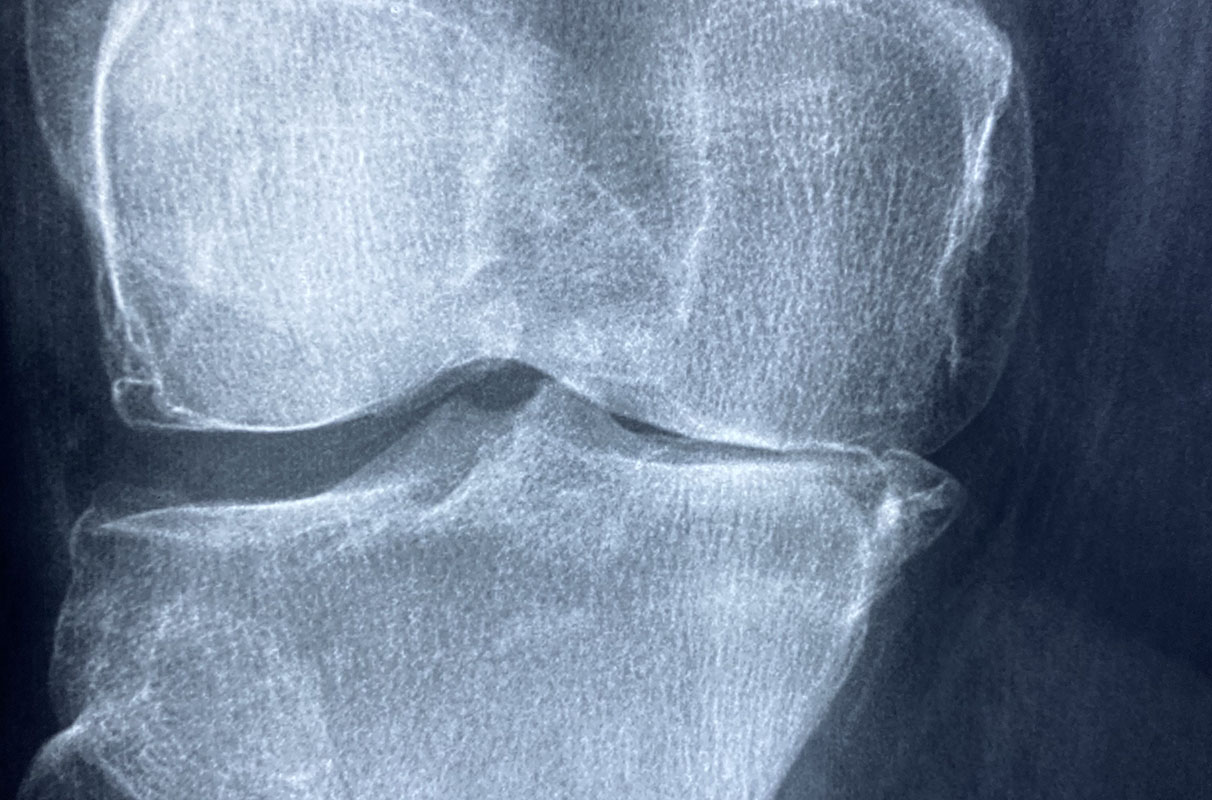
Knee joint pain

A pilot study conducted by researchers at Baylor College of Medicine combined wearable technology and patient-reported outcomes to assess the efficacy of platelet-rich plasma (PRP) treatment in osteoarthritis (OA).

The results, published in the journal Regenerative Medicine, showed that a single injection of leukocyte-rich/PRP in the knee joint significantly improved functional mobility, pain and quality of life after six weeks. The study supports using this combined approach to further evaluate this and other emerging biological therapies for musculoskeletal disorders in larger clinical trials.

“OA is a leading cause of disabilities, affecting nearly 52 million Americans,” said first and corresponding author Dr...

Read More

‘Charging room’ system powers Lights, Phones, Laptops Without Wires

The finished charging room, located at The University of Tokyo. Image credit: The University of Tokyo

In a move that could one day free the world’s countertops from their snarl of charging cords, researchers at the University of Michigan and University of Tokyo have developed a system to safely deliver electricity over the air, potentially turning entire buildings into wireless charging zones.

Detailed in a new study published in Nature Electronics, the technology can deliver 50 watts of power using magnetic fields.

Study author Alanson Sample, U-M professor of computer science and engineering, says that in addition to untethering phones and laptops, the technology could also power implanted medical devices and open new possibilities for mobile robotics in homes and manufacturing...

Read More