Category Biology/Biotechnology

Treatment for Type-2 Diabetic Heart Disease

Discovery for treatment of heart disease in type-2 diabetics
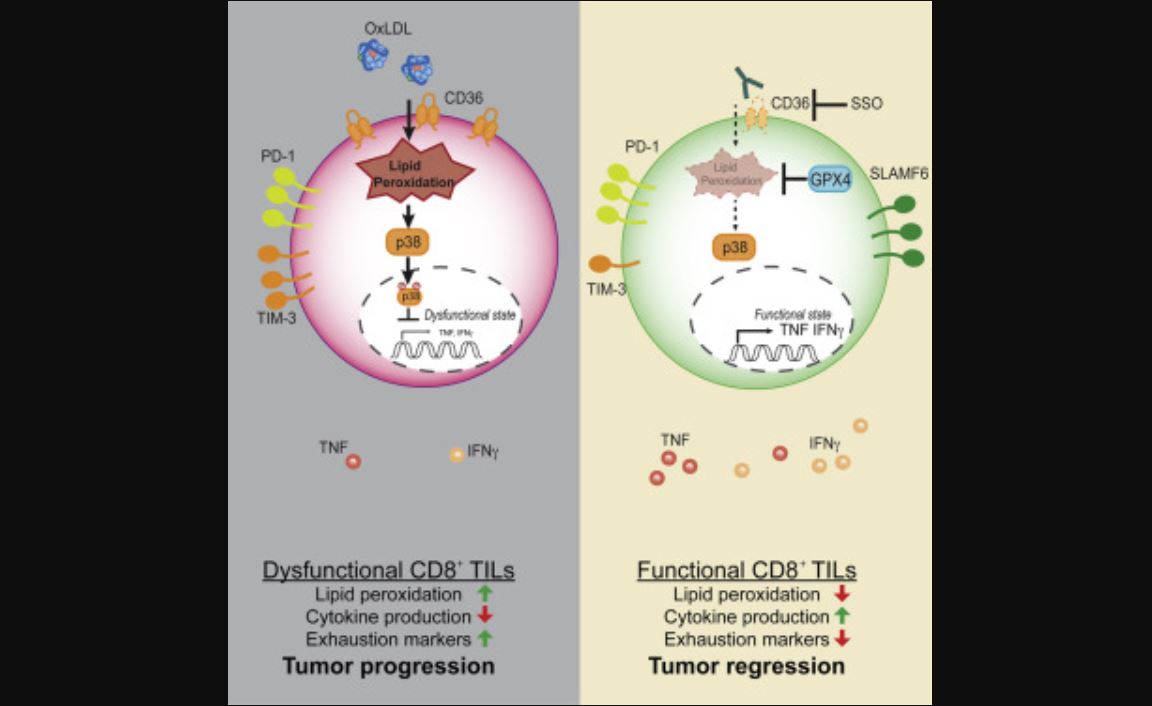
Graphical abstract. Credit: Diabetologia (2021). DOI: 10.1007/s00125-021-05405-7

University of Otago researchers have discovered one of the reasons why more than 50% of people with type 2 diabetes die from heart disease. And perhaps more significantly, they have found how to treat it.

Associate Professor Rajesh Katare, of the Department of Physiology, says it has been known that stem cells in the heart of diabetic patients are impaired. While stem cell therapy has proved effective in treating heart disease, it is not the case in diabetic hearts.

It has not been known why; until now.
It comes down to tiny molecules called microRNA which control gene expression.

“Based on the results of laboratory testing, we identified the number of microRNAs that are impaired in stem cells of...

Read More

Unique Ag-Hydrogel Composite for Soft Bioelectronics created

Source: Soft Machines Lab
Stingray-inspired soft swimmer

In the field of robotics, metals offer advantages like strength, durability, and electrical conductivity. But, they are heavy and rigid – properties that are undesirable in soft and flexible systems for wearable computing and human-machine interfaces.

Hydrogels, on the other hand, are lightweight, stretchable, and biocompatible, making them excellent materials for contact lenses and tissue engineering scaffolding. They are, however, poor at conducting electricity, which is needed for digital circuits and bioelectronics applications.

Researchers in Carnegie Mellon University’s Soft Machines Lab have developed a unique silver-hydrogel composite that has high electrical conductivity and is capable of delivering direct current w...

Read More

With Gene Therapy, scientists develop Opioid-Free solution for Chronic Pain

The researchers used CRISPR and zinc fingers to repress NaV 1.7 and block pain signals in neurons in mice. [A.M. Moreno et al., Science Translational Medicine (2021)]

A gene therapy for chronic pain could offer a safer, non-addictive alternative to opioids. Researchers at the University of California San Diego developed the new therapy, which works by temporarily repressing a gene involved in sensing pain. It increased pain tolerance in mice, lowered their sensitivity to pain and provided months of pain relief without causing numbness.

The researchers report their findings in a paper published Mar. 10 in Science Translational Medicine.

The gene therapy could be used to treat a broad range of chronic pain conditions, from lower back pain to rare neuropathic pain disorders — co...

Read More

Therapy sneaks into Hard Layer of Pancreatic Cancer tumor and Destroys it from within

Fig. 1
 iRGD penetrates desmoplastic PDAC.
From: Tumor-penetrating therapy for β5 integrin-rich pancreas cancer

Every 12 minutes, someone in the United States dies of pancreatic cancer, which is often diagnosed late, spreads rapidly and has a five-year survival rate at approximately 10 percent. Treatment may involve radiation, surgery and chemotherapy, though often the cancer becomes resistant to drugs.

Researchers at University of California San Diego School of Medicine and Moores Cancer Center, in collaboration with Sanford-Burnham-Prebys Medical Discovery Institute and Columbia University, demonstrated that a new tumor-penetrating therapy, tested in animal models, may enhance the effects of chemotherapy, reduce metastasis and increase survival.

The study, published online March 9, 20...

Read More