Category Biology/Biotechnology

4D Bioengineering materials Bend, Curve like Natural Tissue

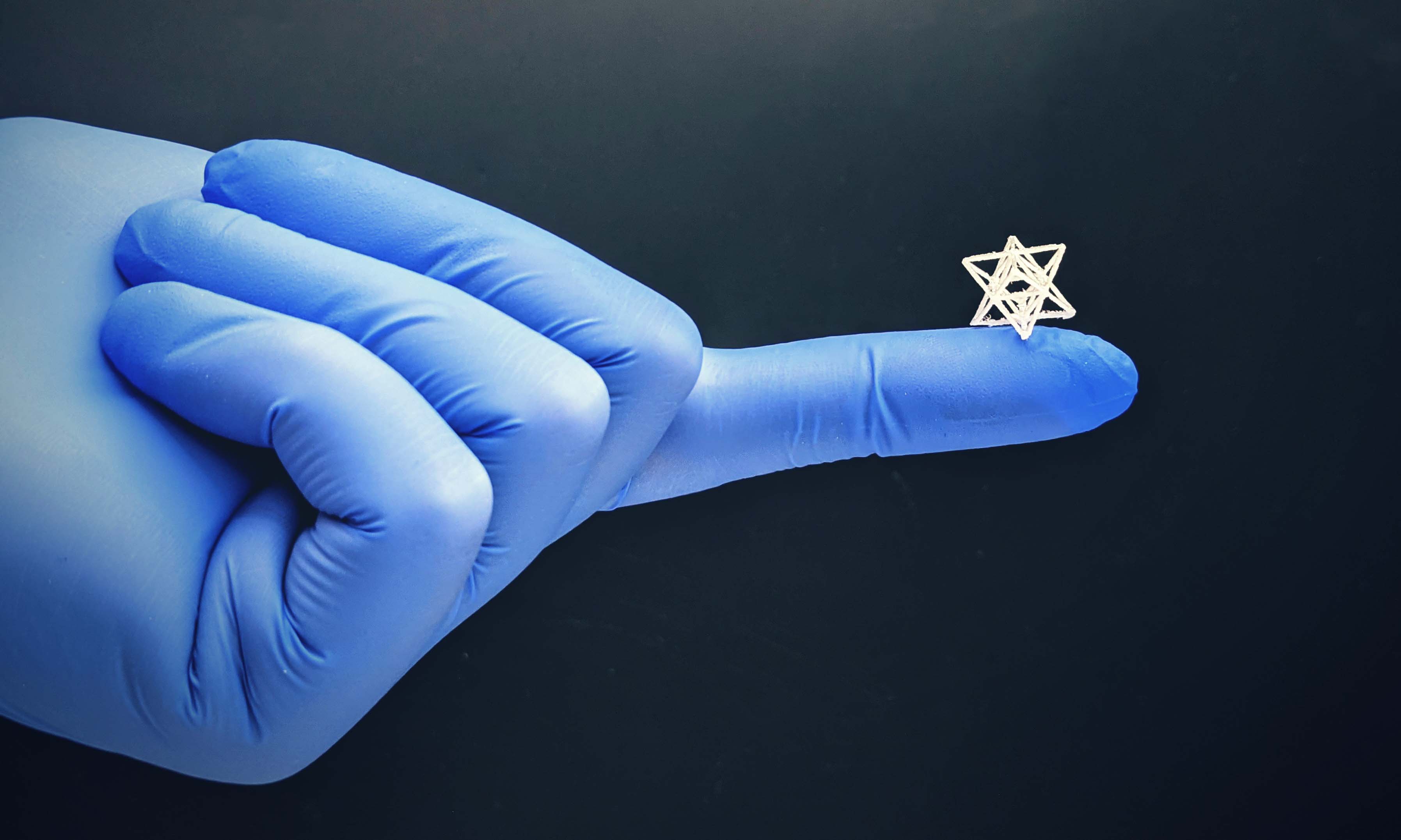
4-D hydrogel-based materials can undergo multiple conformational shape changes in response to environmental cues. (Image: Aixiang Ding)
4D hydrogel-based materials can undergo multiple conformational shape changes in response to environmental cues. (Image: Aixiang Ding)

Researchers have developed new 4D hydrogels – 3D materials that have the ability to change shape over time in response to stimuli – that can morph multiple times in a preprogrammed or on-demand manner in response to external trigger signals.

Tissue engineering has long-depended on geometrically static scaffolds seeded with cells in the lab to create new tissues and even organs. The scaffolding material — usually a biodegradable polymer structure — is supplied with cells and the cells, if supplied with the right nutrients, then develop into tissue as the underlying scaffold biodegrades...

Read More

A Weak Heart makes a Suffering Brain

Evidence of disturbed gene activity in the brain as a result of heart problems. Researchers at the German Center for Neurodegenerative Diseases (DZNE), the University Medical Center Göttingen (UMG) and the German Center for Cardiovascular Research (DZHK) come to this conclusion based on laboratory studies. They consider that they have found a possible cause for the increased risk of dementia in people with heart problems. In mice, a specific drug which is known to affect gene activity alleviated the mental deficits. The involved experts see these results as potential approaches for therapies. The study data are published in the scientific journal EMBO Molecular Medicine.

In Germany, about four million people are affected by what is called “heart failure”: Their heart muscle is too...

Read More

Human Lung and Brain Organoids respond differently to SARS-CoV-2 Infection in Lab Tests

brain and lung organoids
UC San Diego School of Medicine researchers found approximately 10-fold higher SARS-CoV-2 infection (green) in lung organoids (left), compared to brain organoids (right).

Findings may help explain the wide variety in COVID-19 symptoms and aid search for therapies. COVID-19, the disease caused by the pandemic coronavirus SARS-CoV-2, is primarily regarded as a respiratory infection. Yet the virus has also become known for affecting other parts of the body in ways not as well understood, sometimes with longer-term consequences, such as heart arrhythmia, fatigue and “brain fog.”

Researchers at University of California San Diego School of Medicine are using stem cell-derived organoids — small balls of human cells that look and act like mini-organs in a laboratory dish — to study how the ...

Read More

Last-itch effort: Fighting the Bacteria that exacerbate Eczema with bacteria

Researchers at UC San Diego School of Medicine use bacteriotherapy to improve symptoms of atopic dermatitis. Image: CDC, Unsplash

In a new study out of University of California San Diego School of Medicine, researchers have identified a universal strain of bacteria derived from healthy human skin that can treat the most common type of eczema, also known as atopic dermatitis.

In the paper published Feb. 22, 2021, in Nature Medicine, the research team investigated the safety and mechanisms of this certain bacteria in a first-in-human, Phase I, double-blinded clinical trial looking to treat people living with eczema. Of the 54 participants, two-thirds reported improvements in their symptoms, including fewer complaints of itchiness and inflammation.

“The main question we wanted to an...

Read More