Category Biology/Biotechnology

Bat ‘Super Immunity’ may explain how Bats Carry Coronaviruses, study finds

${vImageAlt}
USask student Arinjay Banerjee (right) and professor Vikram Misra (left) posing with a bat finger puppet. (Photo: David Stobbe)

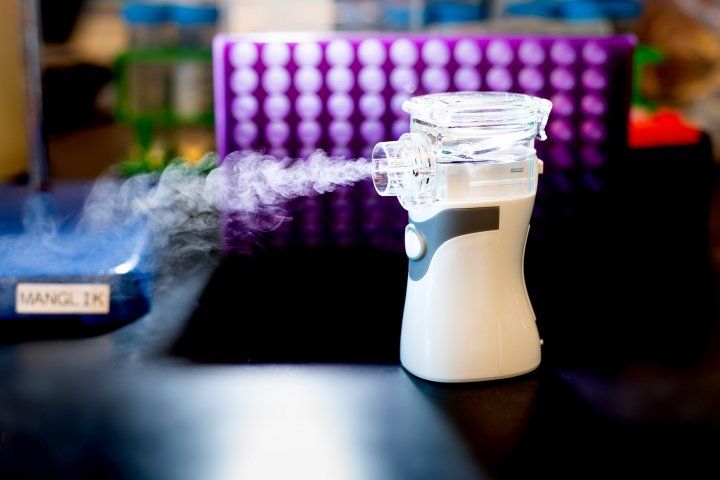
Bat-virus adaptation may explain species spillover, researchers say. A University of Saskatchewan (USask) research team has uncovered how bats can carry the Middle East respiratory syndrome (MERS) coronavirus without getting sick — research that could shed light on how coronaviruses make the jump to humans and other animals.

Coronaviruses such as MERS, Severe Acute Respiratory Syndrome (SARS), and more recently the COVID19-causing SARS-CoV-2 virus, are thought to have originated in bats. While these viruses can cause serious and often fatal disease in people, for reasons not previously well understood, bats seem unharmed.

“The bats don’t get rid of the v...

Read More

More Berries, Apples and Tea may have protective benefits against Alzheimer’s

Photo of strawberries, rasberries, blackberries, and blueberries

Study shows low intake of flavonoid-rich foods linked with higher Alzheimer’s risk over 20 years. Older adults who consumed small amounts of flavonoid-rich foods, such as berries, apples and tea, were two to four times more likely to develop Alzheimer’s disease and related dementias over 20 years compared with people whose intake was higher, according to a new study led by scientists at the Jean Mayer USDA Human Nutrition Research Center on Aging (USDA HNRCA) at Tufts University.

The epidemiological study of 2,800 people aged 50 and older examined the long-term relationship between eating foods containing flavonoids and risk of Alzheimer’s disease (AD) and Alzheimer’s disease and related dementias (ADRD)...

Read More

Antibodies from llamas could help in fight against COVID-19, study suggests

A Llama Named Winter (and Friends)
Scientists were inspired by antibodies produced by this llama, named Winter, to develop their antibody against SARS-CoV-2. Winter is four years old and still living on a farm in the Belgian countryside operated by Ghent University’s Vlaams Institute for Biotechnology. Photo credit: Tim Coppens.

Researchers linked two copies of a special kind of produced by llamas to create a new antibody that binds tightly to the spike protein on the coronavirus that causes COVID-19. This spike protein allows the virus to break into host cells. Initial tests indicate that the antibody blocks viruses that display this spike protein from infecting cells in culture.

The hunt for an effective treatment for COVID-19 has led one team of researchers to find an improbable ally for their work: a llama name...

Read More

Scientists Regenerate Neurons in mice with Spinal Cord Injury and Optic Nerve damage

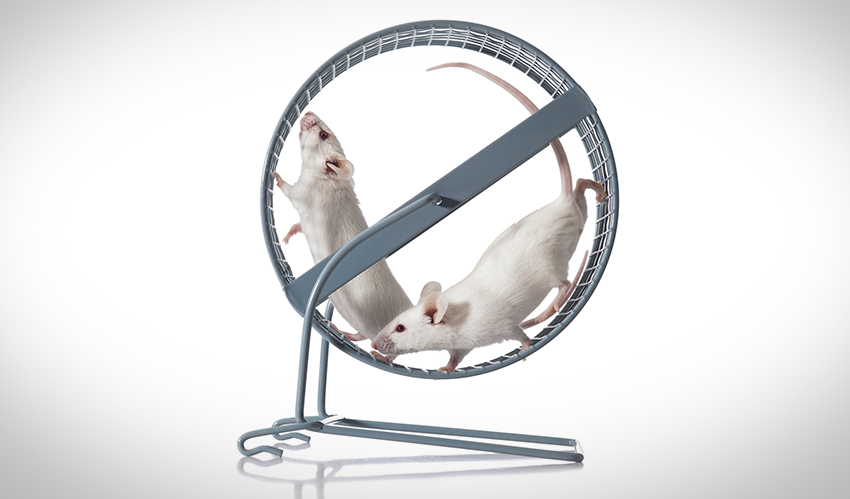
Injured CNS axons fail to regenerate in adult mammals and there are no effective regenerative strategies to treat patients with CNS injuries. Dr. Li’s group demonstrates that upregulating Lin28 gene in mature neurons induces significant long distance regeneration of both spinal cord axons and optic nerve in adult mice.

Each year thousands of patients face life-long losses in sensation and motor function from spinal cord injury and related conditions in which axons are badly damaged or severed. New research by scientists at the Lewis Katz School of Medicine Temple University (LKSOM) shows, however, that gains in functional recovery from these injuries may be possible, thanks to a molecule known as Lin28, which regulates cell growth...

Read More