
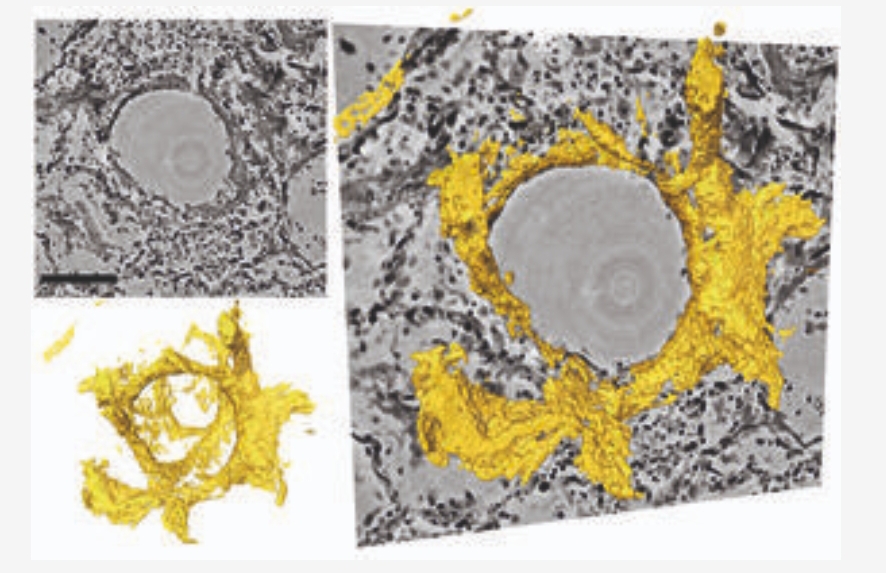
Photo: Tim Salditt, Marina Eckerman
Physicists at the University of Göttingen, together with pathologists and lung specialists at the Medical University of Hannover, have developed a 3D imaging technique that enables h...
Read More

August 24, 2020,
 Health/Medical, Biology/Biotechnology
Physicists at the University of Göttingen, together with pathologists and lung specialists at the Medical University of Hannover, have developed a 3D imaging technique that enables h...
Read More
August 21, 2020,
Health/Medical, Biology/Biotechnology
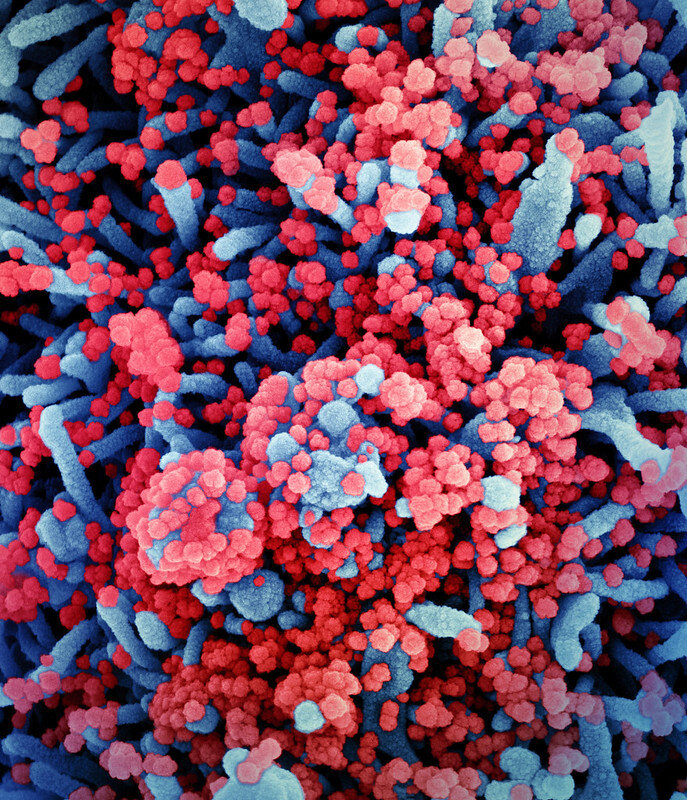
Mild cases of coronavirus disease 2019 (COVID-19) can trigger robust memory T cell responses, even in the absence of detectable virus-specific antibody responses, researchers report August 14 in the journal Cell. The authors say that memory T cell responses generated by natural exposure to or infection with severe acute respiratory syndrome coronavirus 2 (SARS-CoV-2)—the virus that causes COVID-19—may be a significant immune component to prevent recurrent episodes of severe disease.
“We are currently facing the biggest global health emerge...
Read More
August 20, 2020,
Health/Medical, Biology/Biotechnology
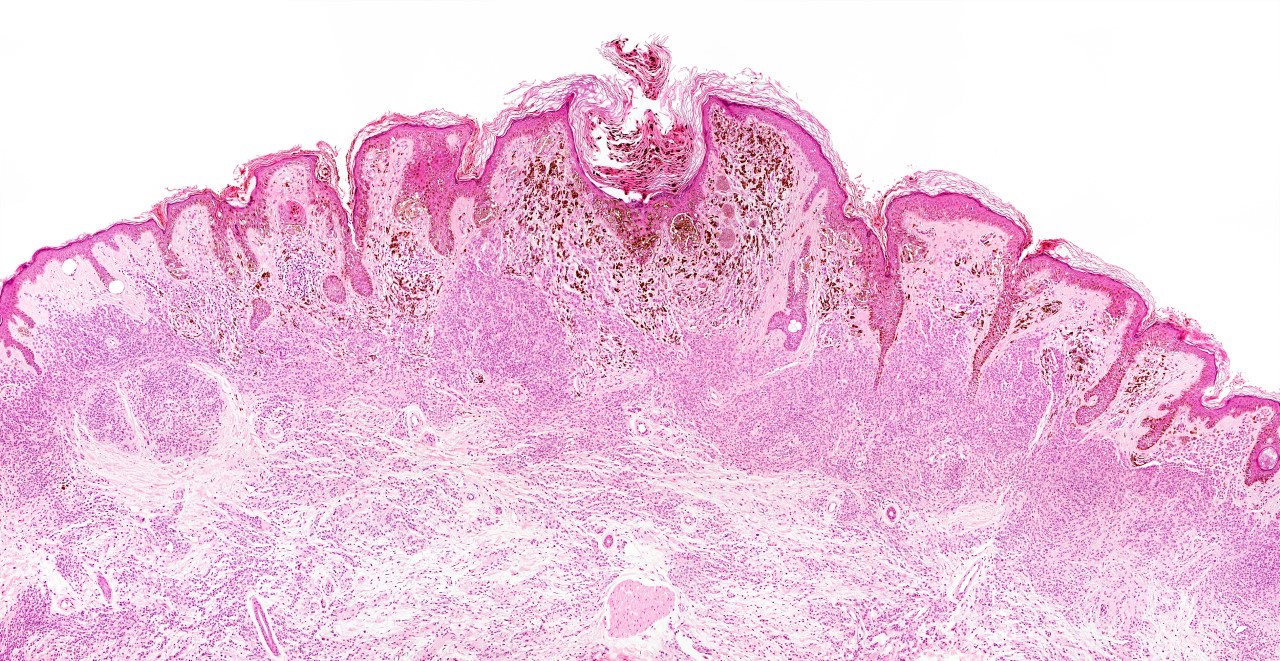
For decades, physicians have known that many kinds of cancer cells often spread first to lymph nodes before traveling to distant organs through the bloodstream. New research from Children’s Medical Center Research Institute at UT Southwestern (CRI) provides insight into why this occurs, opening up new targets for treatments that could inhibit the spread of cancer.
The study, published today in Nature, found melanoma cells that pass through the lymph nodes pick up a protective coating, allowing them to survive high levels of oxidative stress in the blood and go on to form distant tumors.
...Read More
August 19, 2020,
Health/Medical, Biology/Biotechnology

Older adults who took a daily multivitamin and mineral supplement with zinc and high amounts of vitaminC in a 12-week study experienced sickness for shorter periods and with less severe symptoms than counterparts in a control group receiving a placebo.
The findings by Oregon State University researchers were published in the journal Nutrients.
The research by scientists at OSU’s Linus Pauling Institute involved 42 healthy people ages 55 to 75 and was designed to measure the supplement’s effects on certain immune system indicators. It also looked at bloodstream levels of zinc and vitamins C and D while taking the supplement, as these micronutrients are important for proper immune function.
The immune indicators, including white blood cells’ ability to kill incoming pathogens, ...
Read More
Recent Comments