Category Biology/Biotechnology

The new -Tattoo: Drawing Electronics on Skin

One day, people could monitor their own health conditions by simply picking up a pencil and drawing a bioelectronic device on their skin. In a new study, University of Missouri engineers demonstrated that the simple combination of pencils and paper could be used to create devices that might be used to monitor personal health.

One day, people could monitor their own health conditions by simply picking up a pencil and drawing a bioelectronic device on their skin. In a new study, University of Missouri engineers demonstrated that the simple combination of pencils and paper could be used to create devices that might be used to monitor personal health.

Their findings are published in the journal Proceedings of the National Academy of Sciences.

Zheng Yan, an assistant professor in the ...

Read More
Breakthrough with cancer vaccine

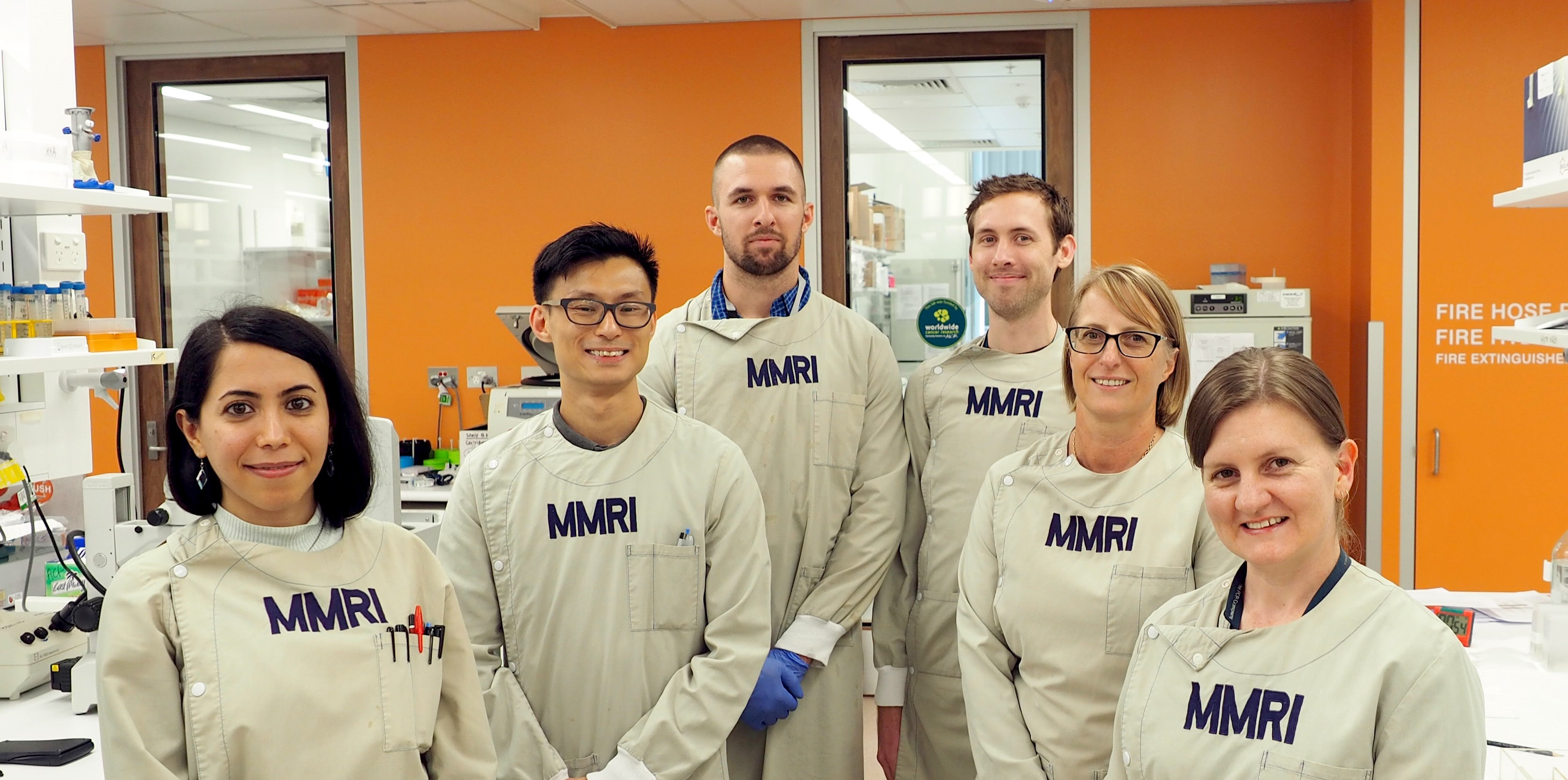
TRI-based Mater researchers in partnership with The University of Queensland have developed a new cancer vaccine, which has shown promising signs in preclinical laboratory studies.

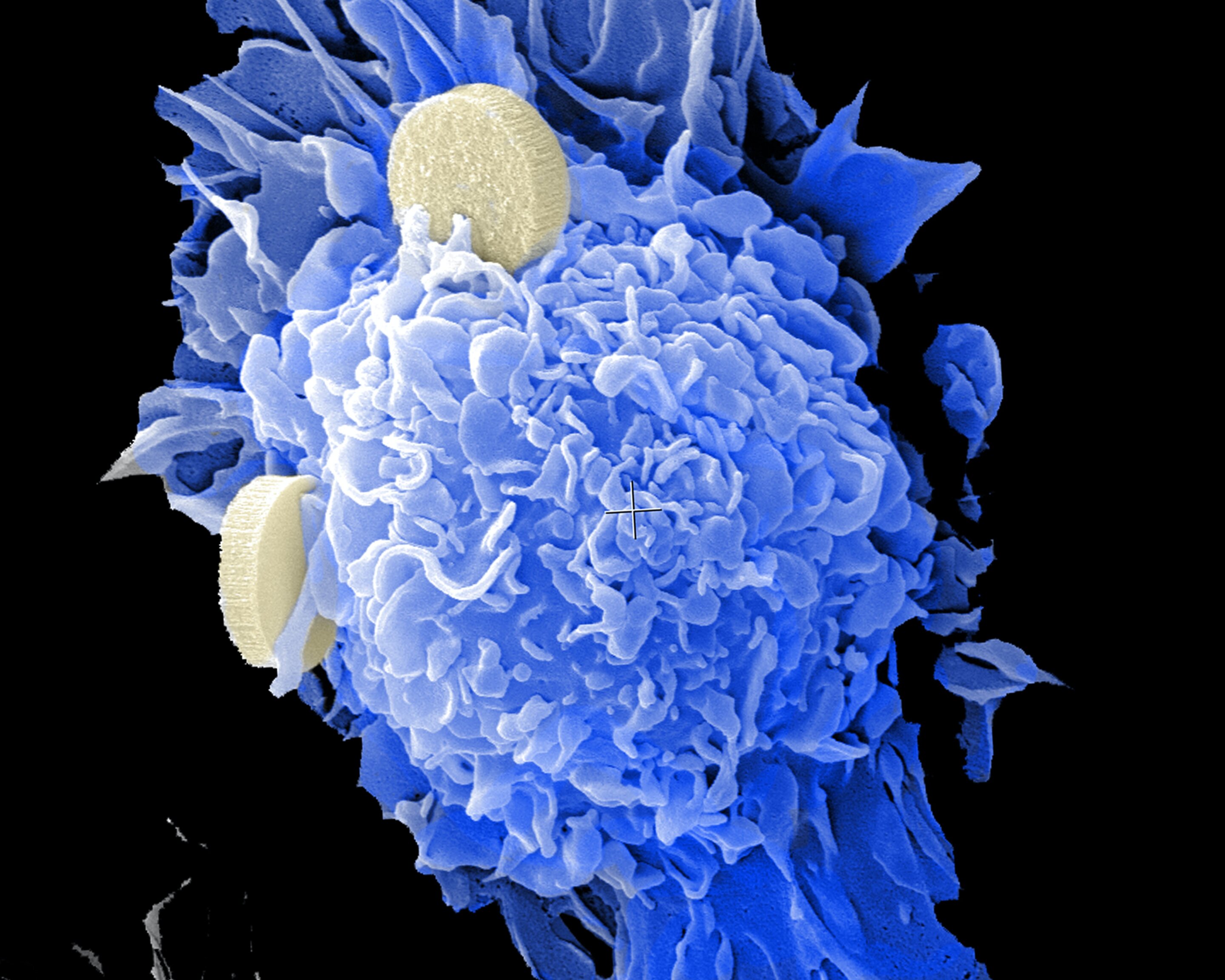
Scientists have developed a new cancer vaccine with the potential to activate the body’s immune system to fight a range of cancers, including leukaemia, breast cancer, lung cancer and pancreatic cancers.

Scientists are ready to trial a new cancer vaccine in humans following the successful outcome of their preclinical studies.

The new vaccine was developed by a Mater Research team based at The Translational Research Institute in collaboration with The University of Queensland.

Lead Researcher Associate Professor Kristen Radford says the vaccine has the potential to treat a variety of blood cancers ...

Read More

Study finds Fatty Acid that Kills Cancer Cells

Credit: Unsplash/CC0 Public Domain

Researchers have demonstrated that a fatty acid called dihomogamma-linolenic acid, or DGLA, can kill human cancer cells. DGLA can induce ferroptosis in an animal model and in actual human cancer cells. Ferroptosis is an iron-dependent type of cell death that was discovered in recent years and has become a focal point for disease research as it is closely related to many disease processes.

Jennifer Watts, a Washington State University associate professor and corresponding author on the paper, said this discovery has many implications, including a step toward a potential treatment for cancer.

“If you could deliver DGLA precisely to a cancer cell, it could promote ferroptosis and lead to tumor cell death,” Watts said...

Read More

Study identifies Unique Cells that may drive Lung Fibrosis

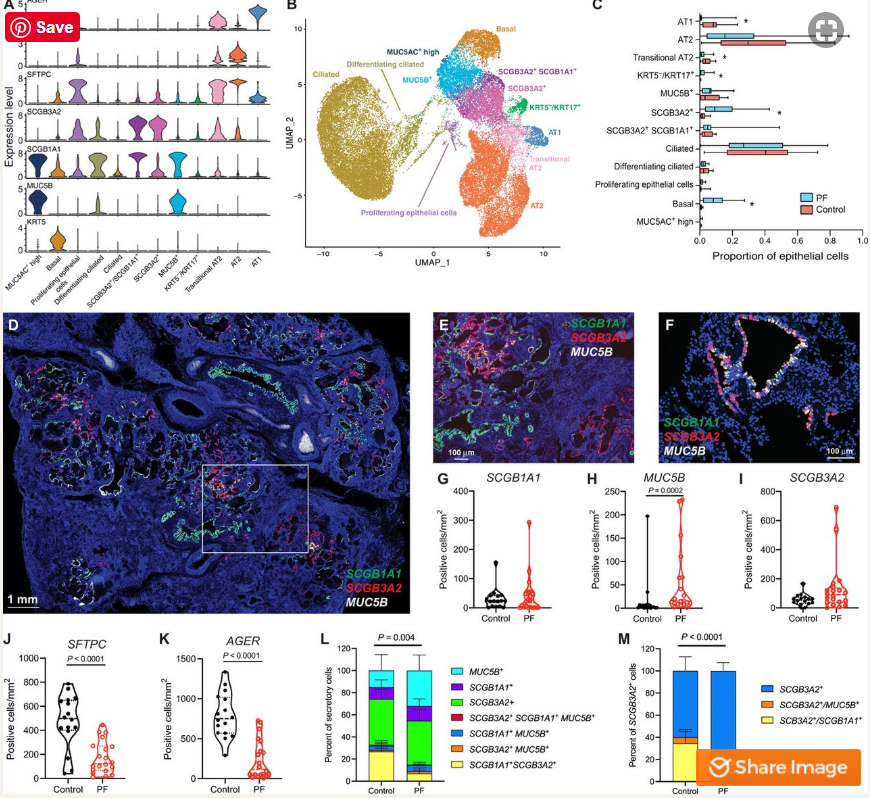
 Single-cell landscape of PF and control lungs.

A groundbreaking study published today and led by the Translational Genomics Research Institute (TGen), an affiliate of City of Hope, identifies unique lung cells that may drive Idiopathic Pulmonary Fibrosis (IPF), a deadly lung disease that affects hundreds of thousands of Americans, and for which there is no cure.

This is one of the first comprehensive looks at lung cells using a technology called single-cell RNA sequencing. Instead of examining a mash-up of many cells from a tissue sample, single-cell sequencing allowed researchers in this study to closely examine the individual cells that make up the lungs; to identify their function, and ultimately understand the molecular changes that may be driving the disease.

Using this met...

Read More