Category Biology/Biotechnology

Coronavirus Spreads Quickly and Sometimes before people have Symptoms, study finds

CoronavirusCDC
Novel coronavirus. Image courtesy of Centers for Disease Control and Prevention.

Infectious disease researchers at The University of Texas at Austin studying the novel coronavirus were able to identify how quickly the virus can spread, a factor that may help public health officials in their efforts at containment. They found that time between cases in a chain of transmission is less than a week and that more than 10% of patients are infected by somebody who has the virus but does not yet have symptoms.

In the paper in press with the journal Emerging Infectious Diseases, a team of scientists from the United States, France, China and Hong Kong were able to calculate what’s called the serial interval of the virus...

Read More

Experts discover Toolkit to Repair DNA Breaks linked to Aging, Cancer and MND

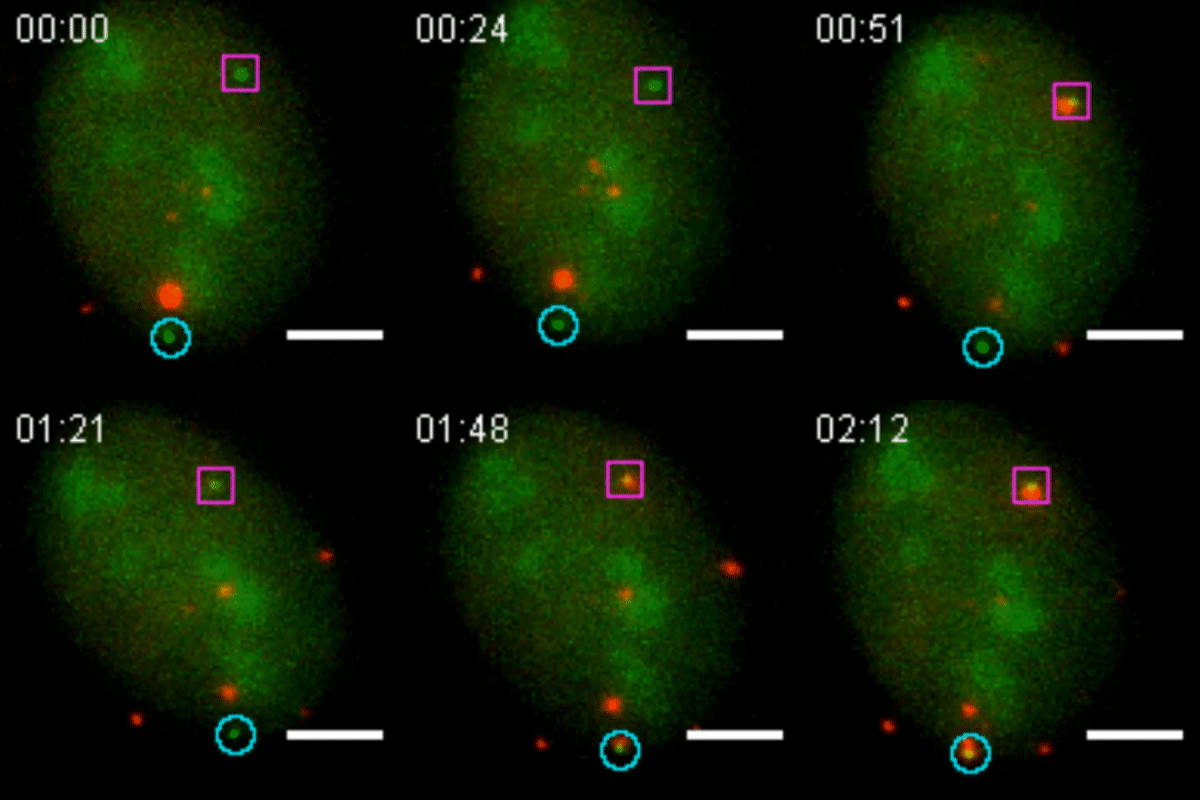
A human cell showing sites of DNA breaks repaired by TEX246

A new ‘toolkit’ to repair damaged DNA that can lead to ageing, cancer and Motor Neurone Disease (MND) has been discovered by scientists at the Universities of Sheffield and Oxford.

Published in Nature Communications, the research shows that a protein called TEX264, together with other enzymes, is able to recognise and ‘eat’ toxic proteins that can stick to DNA and cause it to become damaged. An accumulation of broken, damaged DNA can cause cellular ageing, cancer and neurological diseases such as MND.

Until now, ways of repairing this sort of DNA damage have been poorly understood, but scientists hope to exploit this novel repair toolkit of proteins to protect us from ageing, cancer and neurological disease.

The fin...

Read More

‘Primitive’ Stem Cells shown to Regenerate Blood Vessels in the Eye

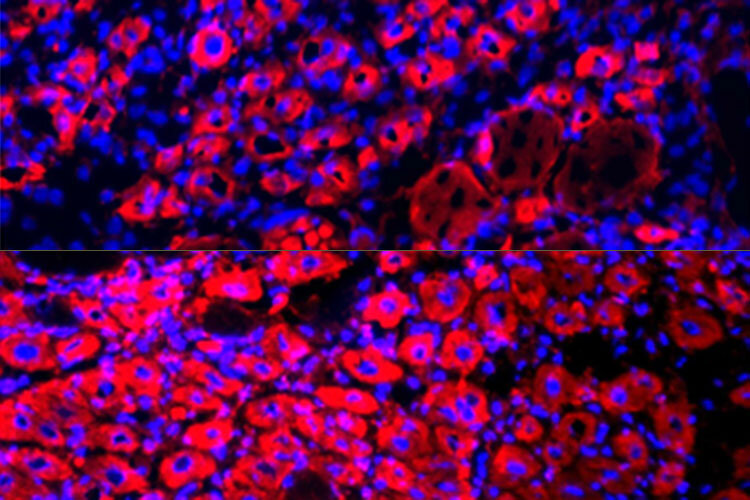
Human vascular progenitor cells (green), made from Zambidis’ lab-grown naive stem cells, engraft into blood vessels (red) in a mouse retina. Credit: Elias Zambidis, Johns Hopkins Medicine

Johns Hopkins Medicine scientists say they have successfully turned back the biological hands of time, coaxing adult human cells in the laboratory to revert to a primitive state, and unlocking their potential to replace and repair damage to blood vessels in the retina caused by diabetes. The findings from this experimental study, they say, advance regenerative medicine techniques aimed at reversing the course of diabetic retinopathy and other blinding eye diseases.

“Our study results bring us a step closer to using stem cells more widely in regenerative medicine, without the historical problems...

Read More

Repurposed Drugs may help scientists Fight the New Coronavirus


M protease (model shown) is a key enzyme for the new corona­virus’ survival and may be an Achilles’ heel. Drugs (blue) might be able to nestle into the enzyme and stop viral replication. DAVID S. GOODSELL/RCSB PROTEIN DATA BANK

Work on similar viruses is giving researchers clues to develop drugs against the disease. As the new coronavirus makes its way around the world, doctors and researchers are searching for drugs to treat the ill and stop the spread of the disease, which has already killed more than 3,800 people since its introduction in Wuhan, China, in December.

The culprit virus is in the same family as the coronaviruses that caused two other outbreaks, severe acute respiratory syndrome and Middle East respiratory syndrome...

Read More