Category Biology/Biotechnology

Robot uses Artificial Intelligence and imaging to Draw Blood

This tabletop robotic device can accurately steer needles and catheters into tiny blood vessels with minimal supervision.
This tabletop robotic device can accurately steer needles and catheters into tiny blood vessels with minimal supervision. Photo: Martin Yarmush and Alvin Chen

Engineers create device that can also insert catheters. Rutgers engineers have created a tabletop device that combines a robot, AI and near-infrared and ultrasound imaging to draw blood or insert catheters to deliver fluids and drugs.

Their most recent research results, published in the journal Nature Machine Intelligence, suggest that autonomous systems like the image-guided robotic device could outperform people on some complex medical tasks.

Medical robots could reduce injuries and improve the efficiency and outcomes of procedures, as well as carry out tasks with minimal supervision when resources are limited...

Read More

New DNA Origami Motor Breaks Speed Record for Nano Machines

Sixteen strands of DNA, stacked four-by-four, form the beam-shaped “chassis” of the DNA motor (in gray). Bits of DNA (in green) protrude from the chassis like little feet. The motor is fueled by RNA laid on a track. The RNA binds with the DNA feet on the bottom face of the chassis. An enzyme targeting bound RNA then destroys these RNA molecules (grey and red). The process repeats, as more RNA pulls the DNA feet, tipping the chassis forward, causing it to roll. (Stephanie Jones, bio-illustrations.com)

Scientists pave way for ‘nano bots’ to one day diagnose and treat disease. Through a technique known as DNA origami, scientists have created the fastest, most persistent DNA nano motor yet...

Read More

Chemists Inhibit a Critical Gear of Cell Immortality

scheidt telomerase
The ends of chromosomes are protected by specific DNA sequences called telomeres, visualized here in red. Credit: National Institutes of Health

A Northwestern University organic chemist and his team now have developed a promising molecular tool that targets and inhibits one of cell immortality’s underlying gears: the enzyme telomerase.

This enzyme is found overexpressed in approximately 90% of human cancer cells and has become an important subject of study for cancer researchers. Normal cells have the gene for telomerase, but it typically is not expressed. “Telomerase is the primary enzyme that allows cancer cells to live forever,” said Karl A. Scheidt, who led the research. “We want to short-circuit this immortality...

Read More

Can’t Sleep? Prebiotics could help

Image result for Better sleep? Prebiotics could help
Researchers suggest that dietary prebiotics could help to improve sleep quality in stressful situations.

Dietary compounds found to influence gut metabolites, buffering stress. Think dietary fiber is just for digestive health? Think again.

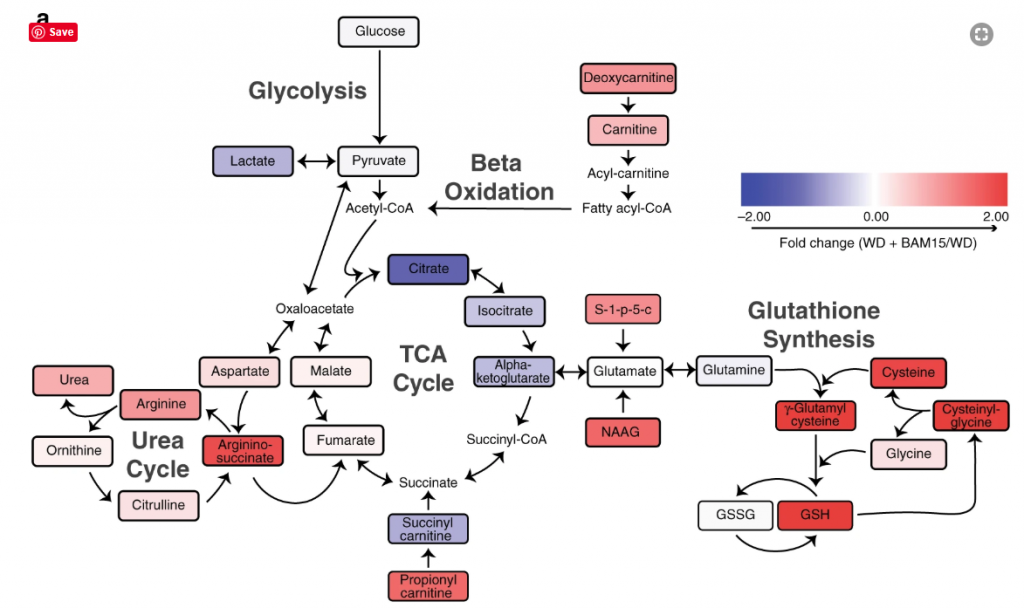
Specific fibers known as prebiotics can improve sleep and boost stress resilience by influencing gut bacteria and the potent biologically active molecules, or metabolites, they produce, new University of Colorado Boulder research shows.

The research could ultimately lead to new approaches to treating sleep problems, which affect 70 million Americans.

“The biggest takeaway here is that this type of fiber is not just there to bulk up the stool and pass through the digestive system,” said Robert Thompson, a postdoctoral researcher in the Depa...

Read More