Category Biology/Biotechnology

B cells may travel to Remote Areas of the Brain to improve Stroke Recovery

New UK research reveals that B cells may travel to remote areas of the brain to improve recovery after a stroke.

New University of Kentucky research shows that the immune system may target other remote areas of the brain to improve recovery after a stroke.

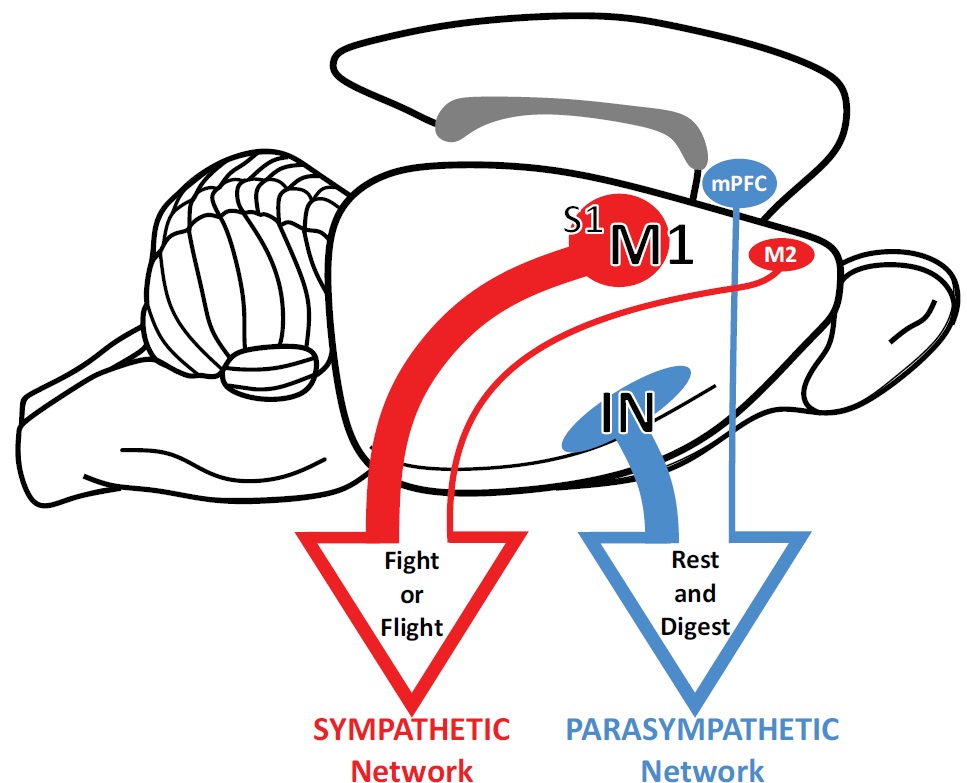
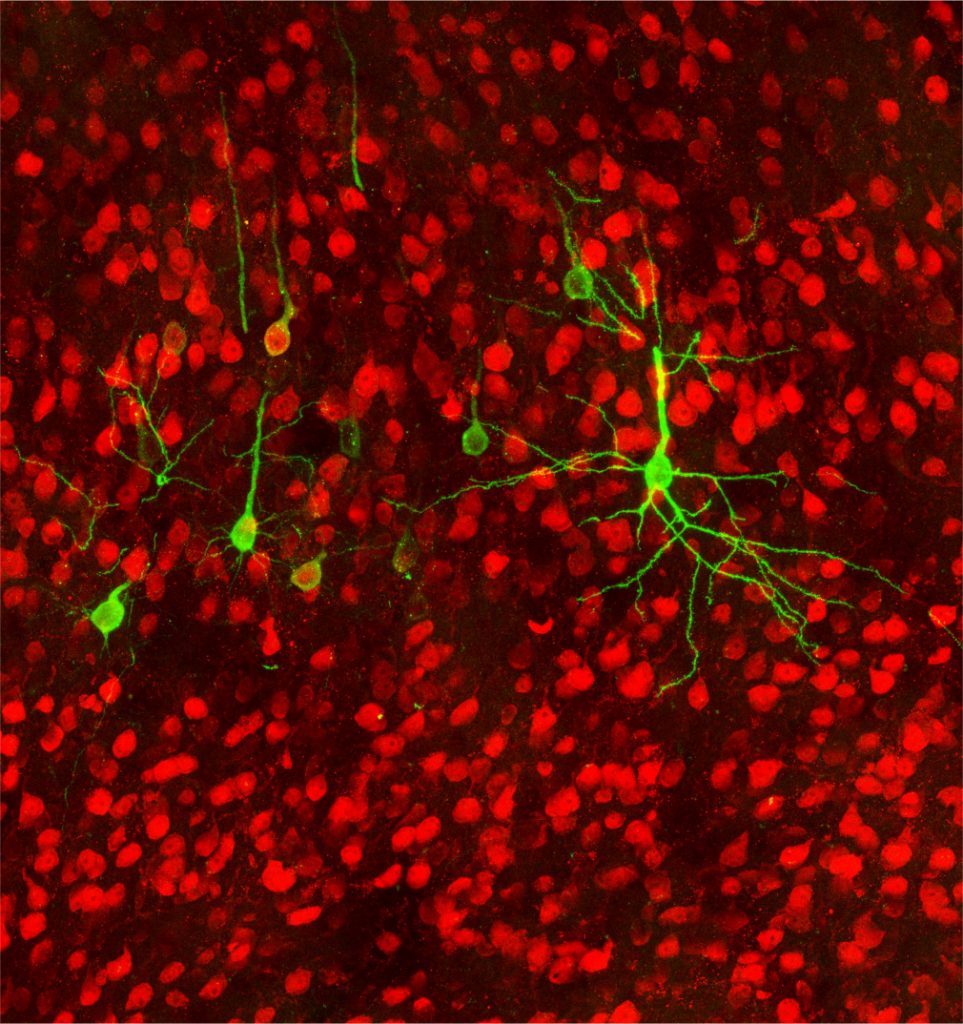
The study in mice, published in PNAS by researchers from UK’s College of Medicine, University of Texas Southwestern Medical Center and University of Pennsylvania reveals that after a stroke, B cells migrate to remote regions of the brain that are known to generate new neuronal cells as well as regulate cognitive and motor functions.

B cells can produce neurotrophins that regulate the development and growth of neurons in the brain...

Read More

Computer Simulations Visualize how DNA converts Cells into Stem Cells

The pioneer transcription factor Oct4 (blue) binds to the nucleosome (a complex of proteins (green) and the DNA (orange) wrapped around these proteins). Credit: Jan Huertas and Vlad Cojocaru, ©MPI Münster, ©Hubrecht Institute.

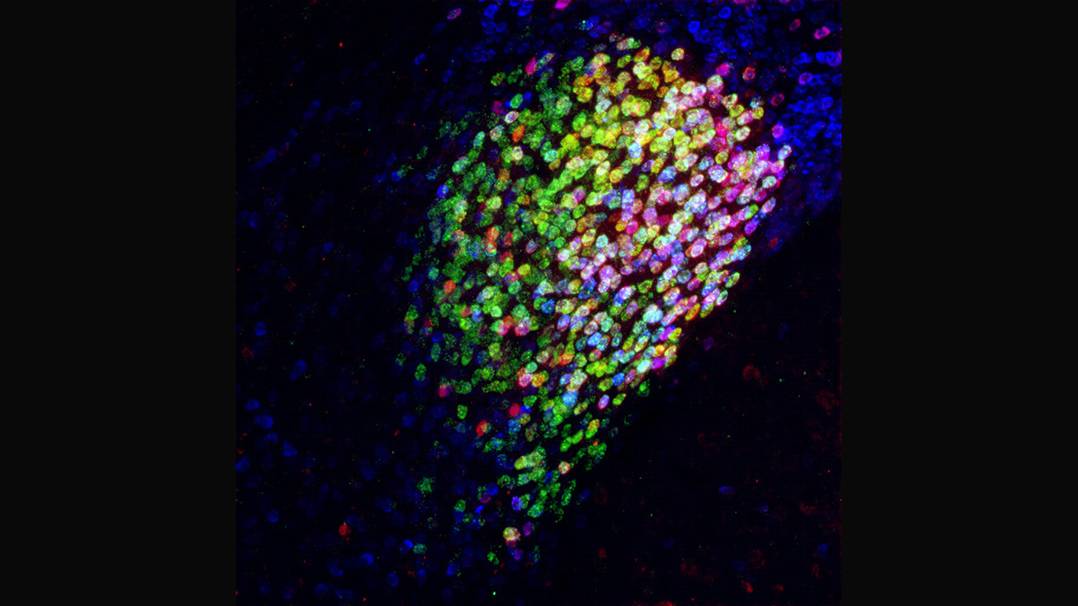
Researchers of the Hubrecht Institute (KNAW — The Netherlands) and the Max Planck Institute in Münster (Germany) have revealed how an essential protein helps to activate genomic DNA during the conversion of regular adult human cells into stem cells. Their findings are published in the Biophysical Journal.

Signalling in the cell to start or stop reading DNA happens through proteins called transcription factors. Identity changes happen naturally during development as cells transition from an undesignated cell to a specific cell type...

Read More

New ‘Universal’ Target for Antiviral Treatment

 A Requirement for Argonaute 4 in Mammalian Antiviral Defense. Cell Reports, 2020; 30 (6): 1690 DOI: 10.1016/j.celrep.2020.01.021

Researchers have uncovered a novel potential antiviral drug target that could lead to treatments protecting against a host of infectious diseases. As the coronavirus outbreak shows, viruses are a constant threat to humanity. Vaccines are regularly developed and deployed against specific viruses, but that process takes a lot of time, doesn’t help everyone who needs protection, and still leaves people exposed to new outbreaks and new viruses.

Now, researchers at Massachusetts General Hospital (MGH) have uncovered a novel potential antiviral drug target that could lead to treatments protecting against a host of infectious diseases – creating a pan, or u...

Read More

Mending a Broken Heart, the Bioengineering way

Electroconductive Melt Electrowritten Patches Matching the Mechanical Anisotropy of Human MyocardiumAdvanced Functional Materials, 2020; 1909880 DOI: 10.1002/adfm.201909880

Bioengineers from Trinity College Dublin, Ireland, have developed a prototype patch that does the same job as crucial aspects of heart tissue. Their patch withstands the mechanical demands and mimics the electrical signalling properties that allow our hearts to pump blood rhythmically round our bodies.

Their work essentially takes us one step closer to a functional design that could mend a broken heart.

One in six men and one in seven women in the EU will suffer a heart attack at some point in their lives. Worldwide, heart disease kills more women and men – regardless of race, than any other disease.

C...

Read More