Category Biology/Biotechnology

For CRISPR, Tweaking DNA fragments before Inserting yields Highest Efficiency Rates yet

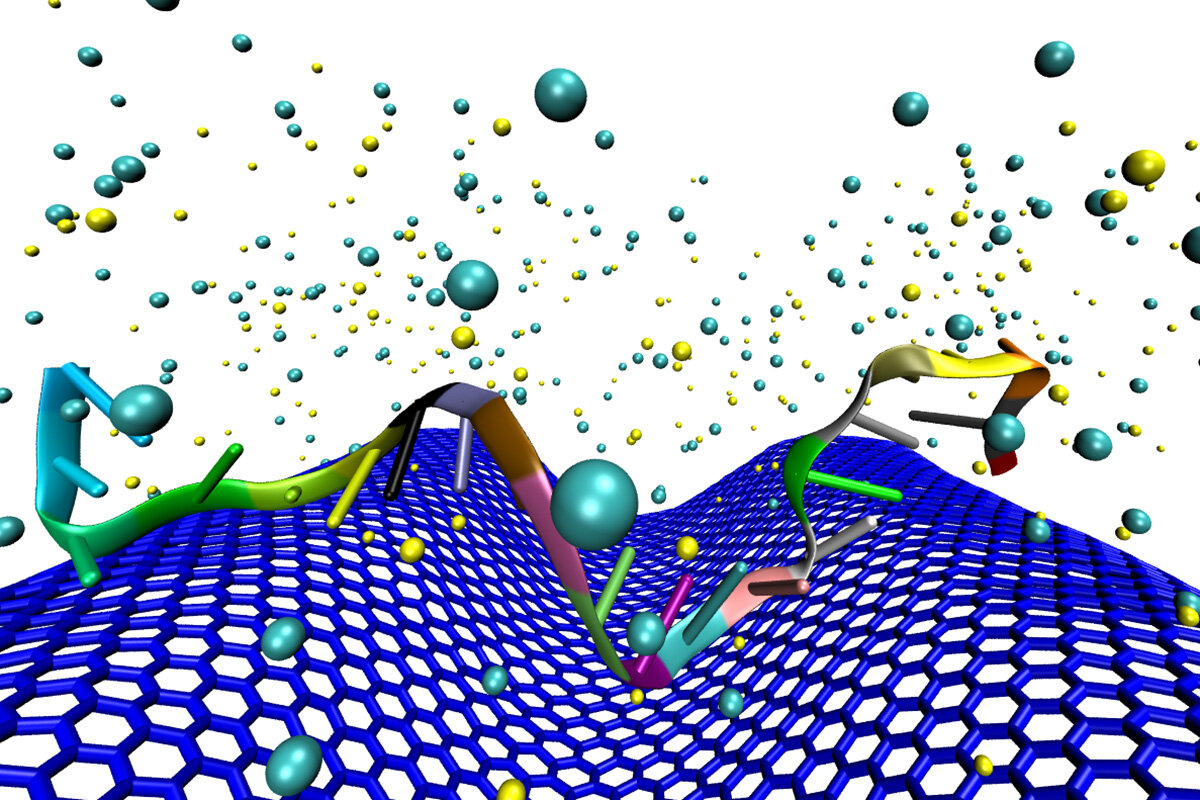
Image result for Gene KI strategy using Cas9 RNP and end-modified dsDNA donors.
Gene KI strategy using Cas9 RNP and end-modified dsDNA donors.

University of Illinois researchers achieved the highest reported rates of inserting genes into human cells with the CRISPR-Cas9 gene-editing system, a necessary step for harnessing CRISPR for clinical gene-therapy applications.

By chemically tweaking the ends of the DNA to be inserted, the new technique is up to five times more efficient than current approaches. The researchers saw improvements at various genetic locations tested in a human kidney cell line, even seeing 65% insertion at one site where the previous high had been 15%.

Led by chemical and biomolecular engineering professor Huimin Zhao, the researchers published their work in the journal Nature Chemical Biology...

Read More

Caffeine may Offset some Health Risks of Diets High in Fat, Sugar

A new study in rats suggests that caffeine may offset some of the negative effects of an obesogenic diet by reducing the storage of lipids in fat cells and limiting weight gain and the production of triglycerides.

Rats that consumed the caffeine extracted from mate tea gained 16% less weight and accumulated 22% less body fat than rats that consumed decaffeinated mate tea, scientists at the University of Illinois found in a new study. The effects were similar with synthetic caffeine and that extracted from coffee.

Mate tea is an herbal beverage rich in phytochemicals, flavonoids and amino acids that’s consumed as a stimulant by people in southeastern Latin American countries...

Read More

Researchers produce First Laser Ultrasound Images of Humans

A new ultrasound technique uses lasers to produce images beneath the skin, without making contact with the skin as conventional ultrasound probes do. The new laser ultrasound technique was used to produce an image (left) of a human forearm (above), which was also imaged using conventional ultrasound (right).
Image courtesy of the researchers

Technique may help remotely image and assess health of infants, burn victims, and accident survivors in hard-to-reach place...

Read More

Mealworms safely consume Toxic Additive-containing Plastic

A new Stanford study shows mealworms can eat Styrofoam containing a common toxic chemical additive and still be safely used as protein-rich feedstock for other animals. (Image credit: Getty Images)

Tiny mealworms may hold part of the solution to our giant plastics problem. Not only are they able to consume various forms of plastic, as previous Stanford research has shown, they can eat Styrofoam containing a common toxic chemical additive and still be safely used as protein-rich feedstock for other animals, according to a new Stanford study published in Environmental Science & Technology.

The study is the first to look at where chemicals in plastic end up after being broken down in a natural system – a yellow mealworm’s gut, in this case...

Read More