Category Biology/Biotechnology

RNA editing tool can take some of the risk out of gene therapy

Risk management: Making gene therapy safer and more effective
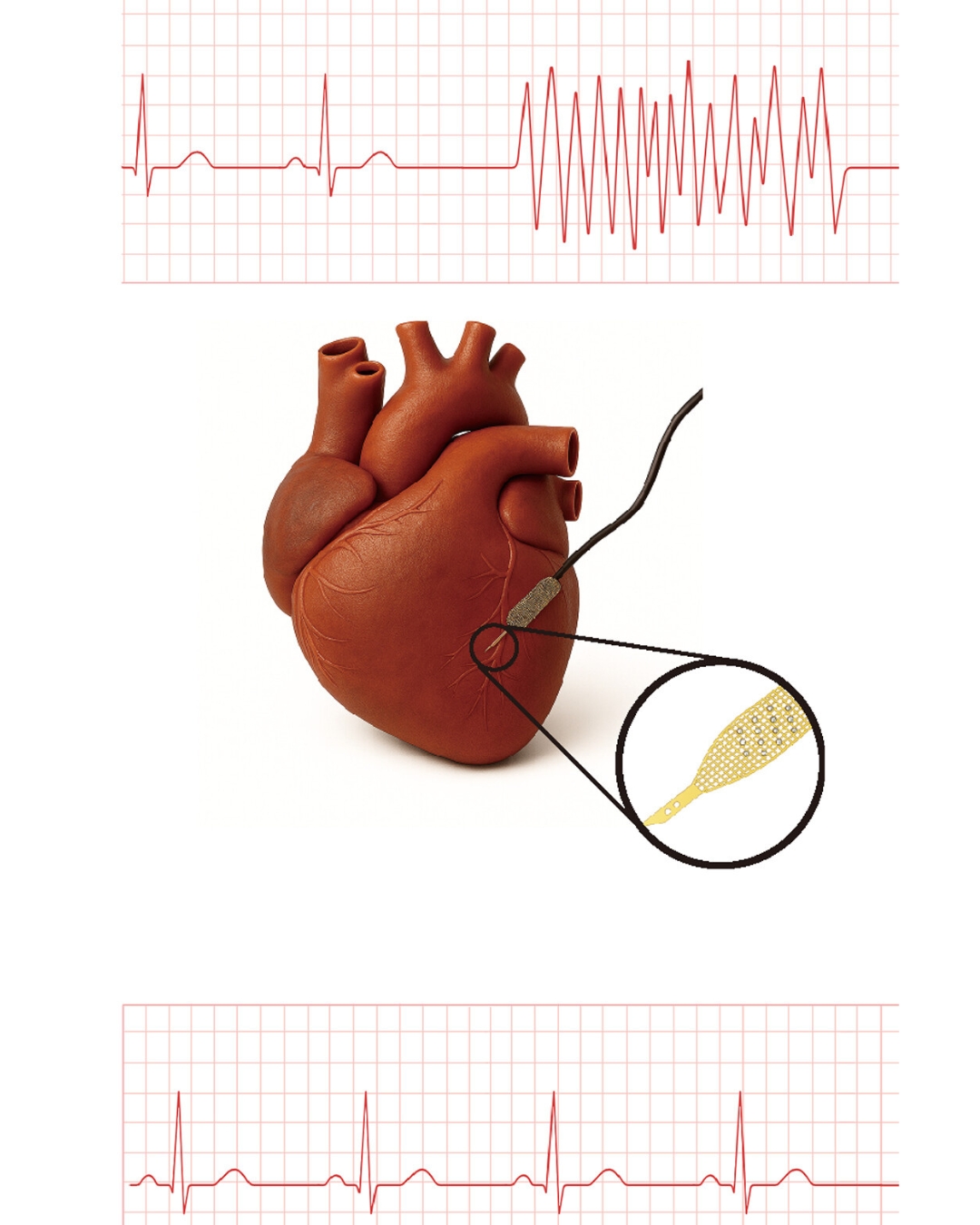
Graphical abstract. Credit: Cell (2025). DOI: 10.1016/j.cell.2025.07.032

The ability to correct disease-causing genetic mistakes using genome editors holds great promise in medicine, but it is not without risk. When this type of “genetic surgery” is performed on DNA, for instance, there is always the danger of leaving permanent genetic scars that may even be heritable.

To alleviate this risk, researchers have experimented with gene editing processes on messenger RNA (mRNA), a central link between DNA and proteins that doesn’t carry the same risks because it doesn’t involve permanent changes to the DNA. But existing RNA editing tools have proven either too cumbersome to use or too toxic to human cells.

Yale researchers have developed a new—and safe—family of RNA-editing tools th...

Read More

COVID infection ages blood vessels, especially in women, research reveals

blood vessel
Credit: Unsplash/CC0 Public Domain

A COVID infection, particularly in women, may lead to blood vessels aging around five years, according to research published in the European Heart Journal.

Blood vessels gradually become stiffer with age, but the new study suggests that COVID could accelerate this process. Researchers say this is important since people with stiffer blood vessels face a higher risk of cardiovascular disease, including stroke and heart attack.

The study was led by Professor Rosa Maria Bruno from Université Paris Cité, France. She said, “Since the pandemic, we have learned that many people who have had COVID are left with symptoms that can last for months or even years. However, we are still learning what’s happening in the body to create these symptoms.

“We k...

Read More

Gut neurons help body fight inflammation with immune-regulating molecule

cells stained red and green
Neurons (red) in the enteric nervous system contain ADM2 (green) along their nerve fibers. Image credit: Victoria Ribeiro de Godoy, Drs. Jazib Uddin and David Artis.

Neurons in the gut produce a molecule that plays a pivotal role in shaping the gut’s immune response during and after inflammation, according to a new study by Weill Cornell Medicine investigators. The findings suggest that targeting these neurons and the molecules they produce could open the door to new treatments for inflammatory bowel disease and other disorders driven by gut inflammation.

Hundreds of millions of neurons make up the enteric nervous system, the “second brain” of the body, where they orchestrate essential functions of the gut such as moving food through the intestines, nutrient absorption and blood flo...

Read More

Twice a day, Mars may briefly host water that could support life

Vincent Chevrier

Frost-covered regions present the best candidates for the future habitability of Mars and further astrobiological exploration, research into brines shows. Mars, once thought too cold and dry for liquid water, may briefly host salty brines twice a day during certain seasons. These fleeting bursts wouldn’t be enough to sustain humans, but they could have supported hardy life in Mars’ past—and may guide future missions searching for signs of it.

Due to extreme temperatures and the dryness of Mars, it’s thought to be impossible for liquid water to form on the planet’s surface, a critical precondition for habitability...

Read More