The new moisture-driven electricity generation device invented by NUS researchers capitalises on the difference in moisture content of the wet and dry regions of the carbon-coated fabric to create an electric current. Sea salt is used as a moisture absorbent for the wet region.
Researchers have developed a new moisture-driven electricity generation device made of a thin layer of fabric, sea salt, carbon ink, and a special water-absorbing gel. The device works by keeping one end of the fabric dry, while the other end is perpetually wet. The difference in moisture content of the wet and dry regions of the carbon-coated fabric creates an electric current...
Current severe heatwaves that will likely increase in severity and frequency in the future are driving a rise in the use of air conditioners, threatening the environment with their high energy consumption and refrigerants with high warming potential. A new study finds that switching to propane as a refrigerant could lessen the global temperature increase from space cooling.
We spend enormous amounts of energy on fighting off the heat in the summer, or throughout the whole year at lower latitudes — about one-tenth of the total worldwide electricity supply. If current temperature trends continue, the energy demands of space-coolers will more than triple by 2050...
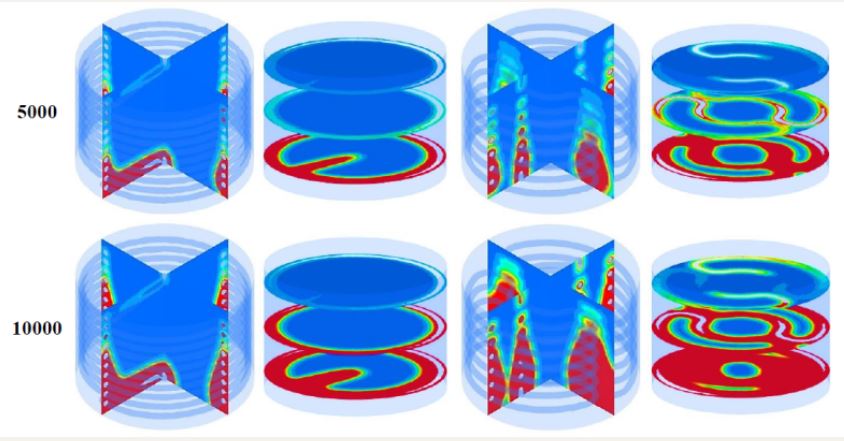
Comparison of hydrogen absorption concentration with different designs. Image: Puchanee Larpruenrudee
A new design for solid-state hydrogen storage could significantly reduce charging times. Researchers from the University of Technology Sydney (UTS) and Queensland University of Technology (QUT) have developed a new method to improve solid-state hydrogen fuel cell charging times.
Hydrogen is gaining significant attention as an efficient way to store ‘green energy’ from renewables such as wind and solar. Compressed gas is the most common form of hydrogen storage, however it can also be stored in a liquid or solid state.
Dr Saidul Islam, from the University of Technology Sydney, said solid hydrogen storage, and in particular metal hydride, is attracting interest because it is safer,...
Computers that think more like human brains are inching closer to mainstream adoption. What types of materials can serve as the best building blocks to unlock the potential of this new style of computing? For most traditional computing devices, silicon remains the gold standard. However, there is a movement to use more flexible, efficient and environmentally friendly materials for these brain-like devices.
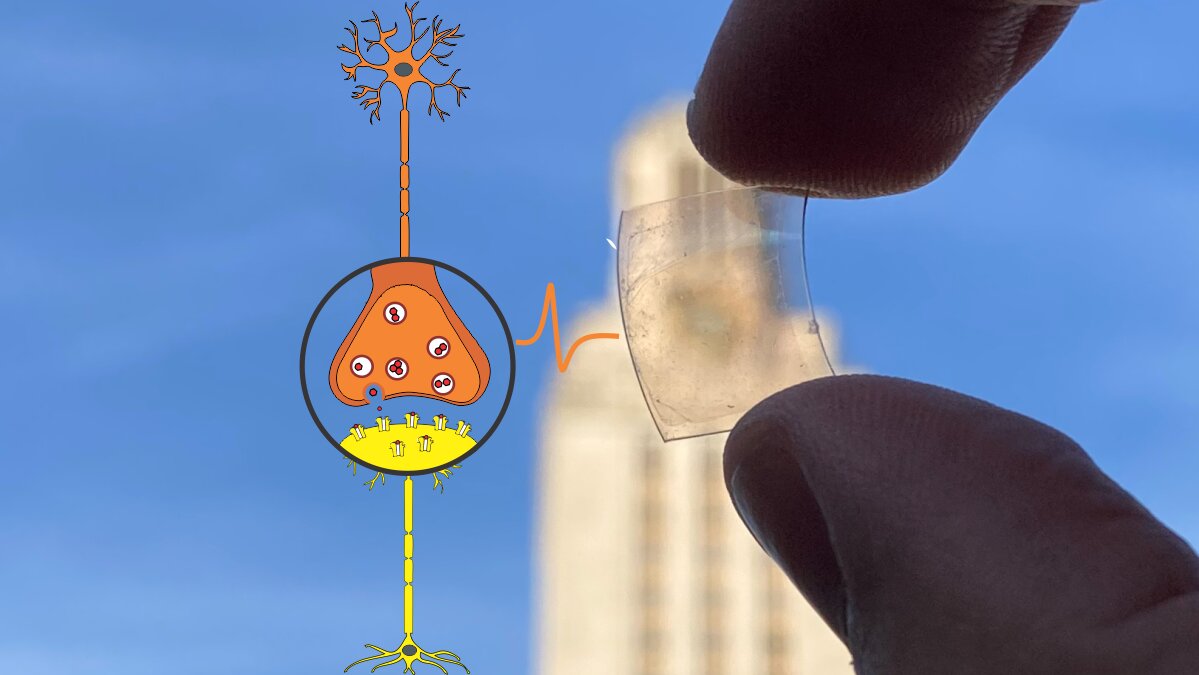
In a new paper, researchers from The University of Texas at Austin developed synaptic transistors for brain-like computers using the thin, flexible material graphene. These transistors are similar to synapses in the brain, that connect neurons to each other.
“Computers that think like brains can do so much more than today’s devices,” said J...






Recent Comments