Category Chemistry/Nanotechnology

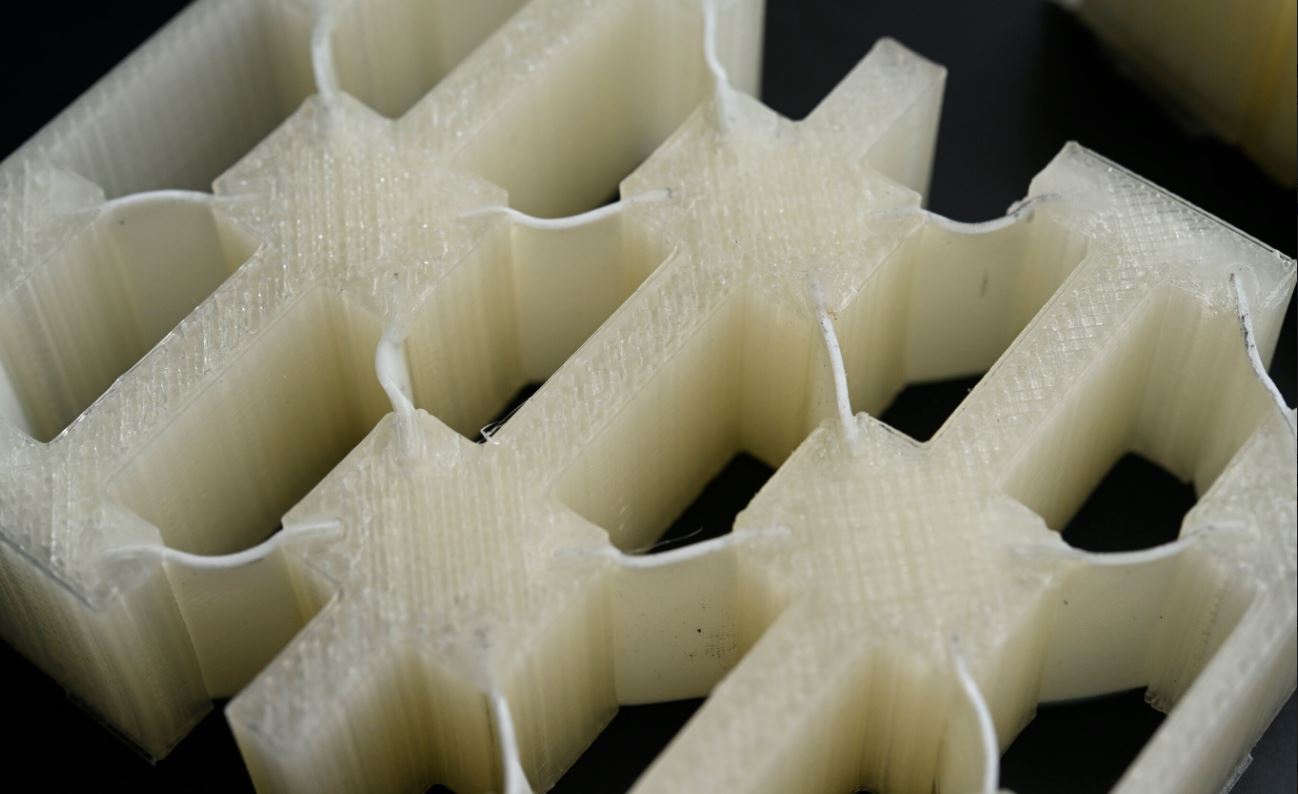
Getting Hydrogen out of Banana Peels

As the world’s energy demands increase, so does our consumption of fossil fuels. The result is a massive rise in greenhouse gases emissions with severely adverse environmental effects. To address this, scientists have been searching for alternative, renewable sources of energy.

A main candidate is hydrogen produced from organic waste, or biomass, of plants and animals. Biomass also absorbs, removes and stores CO2 from the atmosphere, while biomass decomposition can lead to negative emissions or greenhouse gas removal. But even though biomass heralds a way forward, there is still the question of the best way to maximize its conversion into energy.

Biomass gasification

There are currently two main methods for converting biomass into energy: gasification and pyrolysis...

Read More

New Efficiency Record for Solar Cell Technology

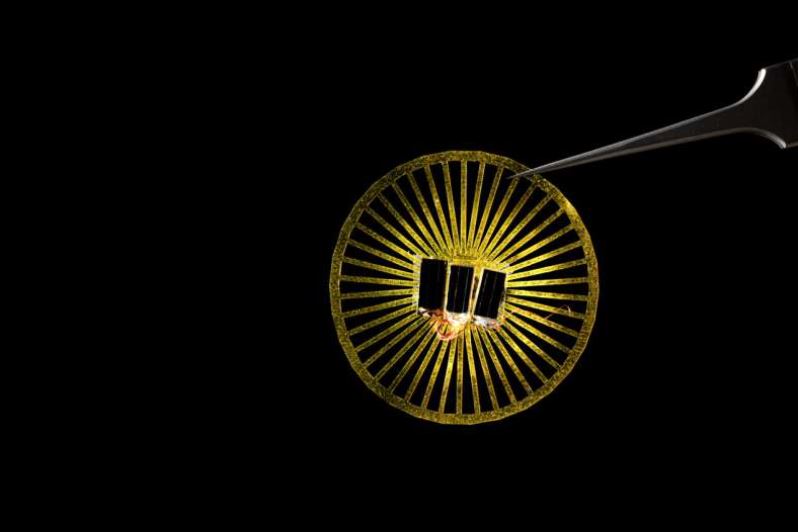
Solar cells made using perovskite and organic materials are flexible, light, low cost and ultra-thin. They are ideal for powering vehicles, boats, and more.

A team of researchers from the National University of Singapore (NUS) has set a new record in the power conversion efficiency of solar cells made using perovskite and organic materials. This technological breakthrough paves the way for flexible, light-weight, low cost and ultra-thin photovoltaic cells which are ideal for powering vehicles, boats, blinds and other applications.

“Technologies for clean and renewable energy are extremely important for carbon reduction. Solar cells that directly convert solar energy into electricity are among the most promising clean energy technologies...

Read More

Development of a Lithium-Air Battery with an Energy Density > 500 Wh/kg

New materials for lithium-air batteries developed by ALCA-SPRING project. (b) Cell fabrication technique developed by the NIMS-SoftBank Advanced Technologies Development Center. (c) Demonstration of stable discharge/charge cycles of lithium-air batteries with energy density over 500Wh/kg operated at the room-temperature.

One of the world’s highest energy densities achieved. NIMS and Softbank Corp. have developed a lithium-air battery with an energy density over 500Wh/kg – significantly higher than currently lithium ion batteries. The research team then confirmed that this battery can be charged and discharged at room temperature. In addition, the team found that the battery developed by the team shows the highest energy densities and best cycle life performances ever achieved...

Read More

Selective Membrane may Cycle Dual-ion Batteries Closer to Reality

Schematic illustration of the EMC co-intercalation behavior comparison in LE (a) or PCME (b) based DIBs. Credit: Jiang Hongzhu

Lithium-ion batteries are relatively safe, long-lasting, fast charging and better for the environment than non-rechargeable batteries—right? Not quite. The rocking-chair mechanism that allows for commercial power storage generally uses rare earth elements, such as nickel and cobalt.

Researchers have long been on the hunt for alternative batteries that boast all the benefits of lithium-ion versions but include ecological and economic advantages.

Now, a team from the Qingdao Institute of Bioenergy and Bioprocess Technology (QIBEBT), Chinese Academy of Sciences (CAS), is closing in on an improved approach...

Read More