
Scienti...
Read More

December 16, 2021,
 Chemistry/Nanotechnology
Scienti...
Read More
December 9, 2021,
Physics, Chemistry/Nanotechnology
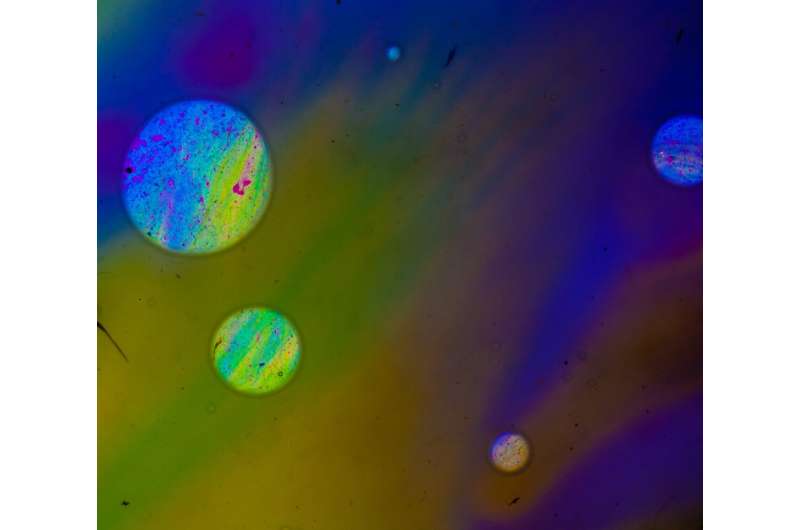
An international team has investigated a newly synthesized liquid-crystalline material that promises applications in optoelectronics. Simple rod-shaped molecules with a single center of chirality self-assemble into helical structures at room temperature. Using soft X-ray resonant scattering at BESSY II, the scientists have now been able to determine the pitch of the helical structure with high precision. Their results indicate an extremely short pitch at only about 100 nanometres which would enable applications with particularly fast switching processes.
Liquid crystals are not solid, but some of their physical properties are directional — like in a crystal. This is because their molecules can arrange themselves into certain patterns...
Read More
December 8, 2021,
Chemistry/Nanotechnology
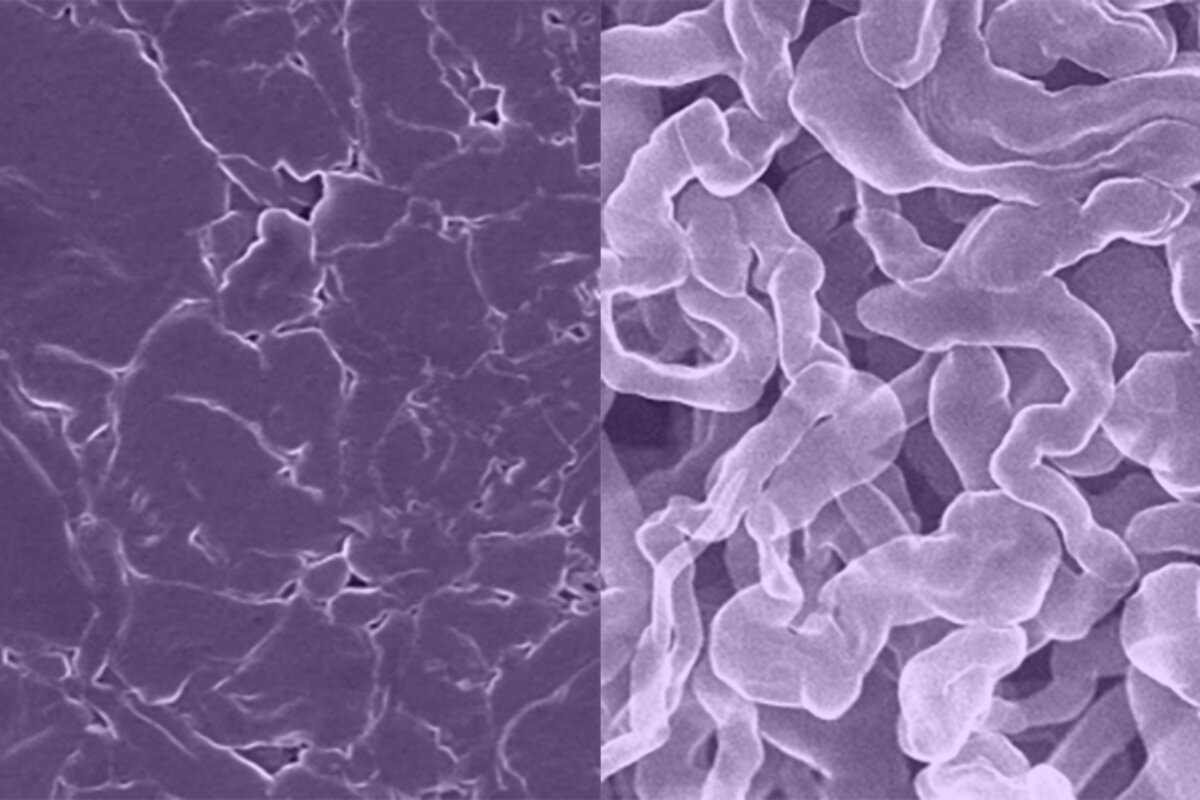
University of Texas at Austin researchers have created a new sodium-based battery material that is highly stable, capable of recharging as quickly as a traditional lithium-ion battery and able to pave the way toward delivering more energy than current battery technologies.
For about a decade, scientists and engineers have been developing sodium batteries, which replace both lithium and cobalt used in current lithium-ion batt...
Read More
December 1, 2021,
Physics, Chemistry/Nanotechnology
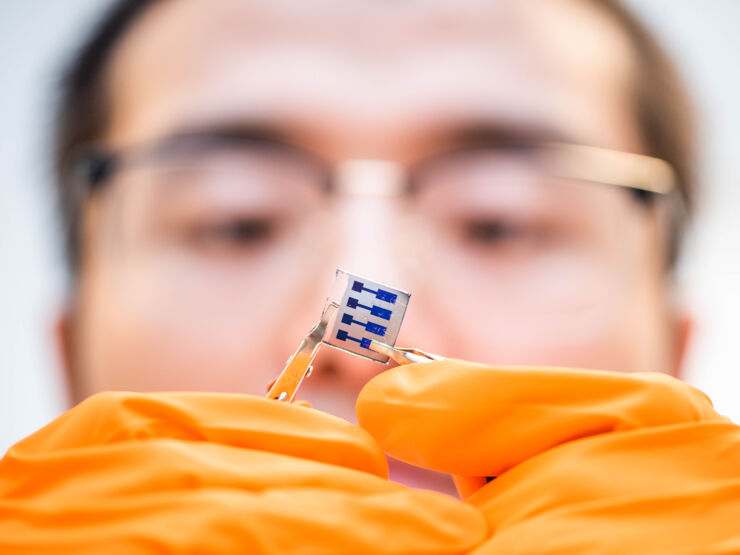
A small guest molecule in the right place makes it possible to produce energy-efficient organic solar cells using eco-friendly solvents. A record efficiency over 17% is demonstrated. In addition, solar cells with larger areas can be produced. “This is a major step towards large-scale industrial manufacture of efficient and stable organic solar cells,” says Feng Gao, professor in the Department of Physics, Chemistry and Biology (IFM) at Linköping University. The result has been published in Nature Energy.
Developments in organic solar cells are rapid, and the maximum energy efficiency achieved by solar cells produced in the laboratory is currently over 18%...
Read More
Recent Comments