UiT researchers have found that physically active people have a lower risk of experiencing chronic pain several years later. “This suggests that physical activity increases our ability to tolerate pain and may be one of the ways in which activity helps to reduce the risk of developing severe chronic pain,” says doctoral fellow Anders Årnes.FOTO: DAVID JENSEN / UIT
One of the reasons is that it increases your pain tolerance. Researchers found that people who were more active in their free time had a lower chance of having various types of chronic pain 7-8 years later. For example, being just a little more active, such as going from light to moderate activity, was associated with a 5% lower risk of reporting some form of chronic pain later...
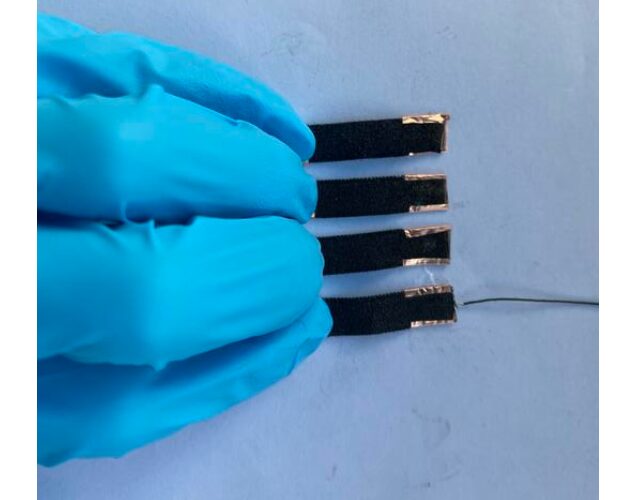
Hussein Alawieh, a graduate student in Dr. José del R. Millán’s lab, wears a cap packed with electrodes that is hooked up to a computer. The electrodes gather data by measuring electrical signals from the brain, and the decoder interprets that information and translates it into game action.
Engineers have created a brain-computer interface that doesn’t require calibration for each user, paving the way for widespread clinical applicability.
Imagine playing a racing game like Mario Kart, using only your brain to execute the complex series of turns in a lap.
This is not a video game fantasy, but a real program that engineers at The University of Texas at Austin have created as part of research into brain-computer interfaces to help improve the lives of people with motor disabiliti...
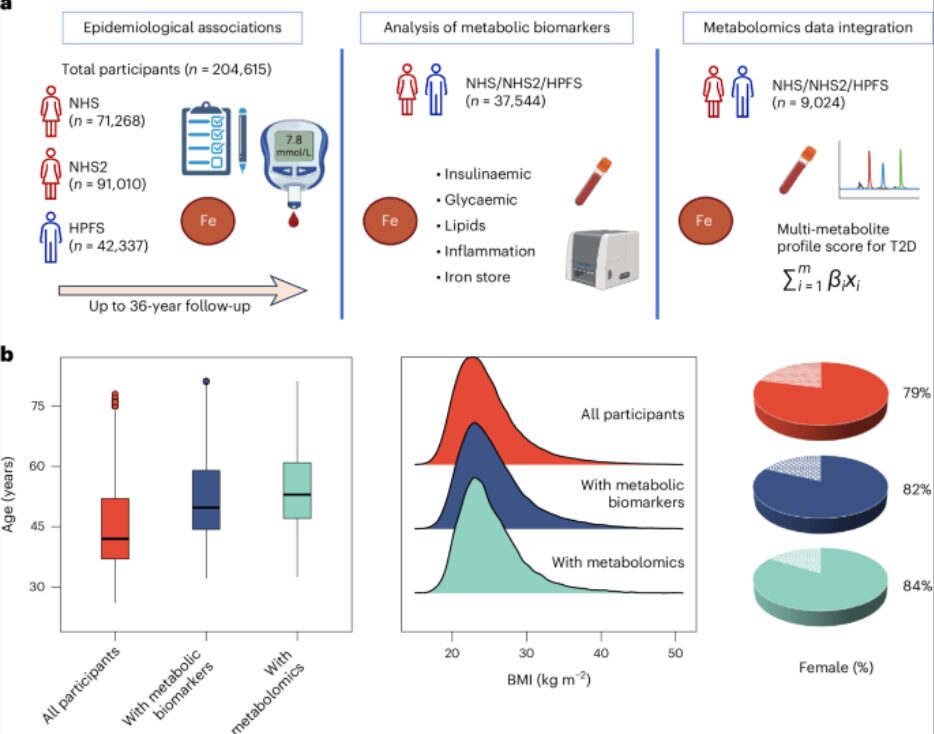
SARS-CoV-2 NSP14 facilitates the activation of NF-κB signaling and inflammatory response. a, HEK293T cells were transfected with the plasmids of 27 SARS-CoV-2 proteins, along with MyD88 and a reporter plasmid carrying the NF-κB promoter (NF-κB-Luc) and the cells were analyzed for NF-κB activity by reporter gene assay. The horizontal dashed line indicates the activation level of the positive control (EV+MyD88) group. b, Expression of the proinflammatory genes TNFA, IL1B, IL6 and IL8 in human MDMs transfected with NSP14-specific or scramble control (Ctrl) siRNA, followed with SARS-CoV-2 infection at MOI = 1 for 48 h. c, Expression of the proinflammatory genes from b in Dox-inducible SARS-CoV-2 NSP14-expressing THP-1 cells, measured after treatment with Dox (1 μg ml...Read More
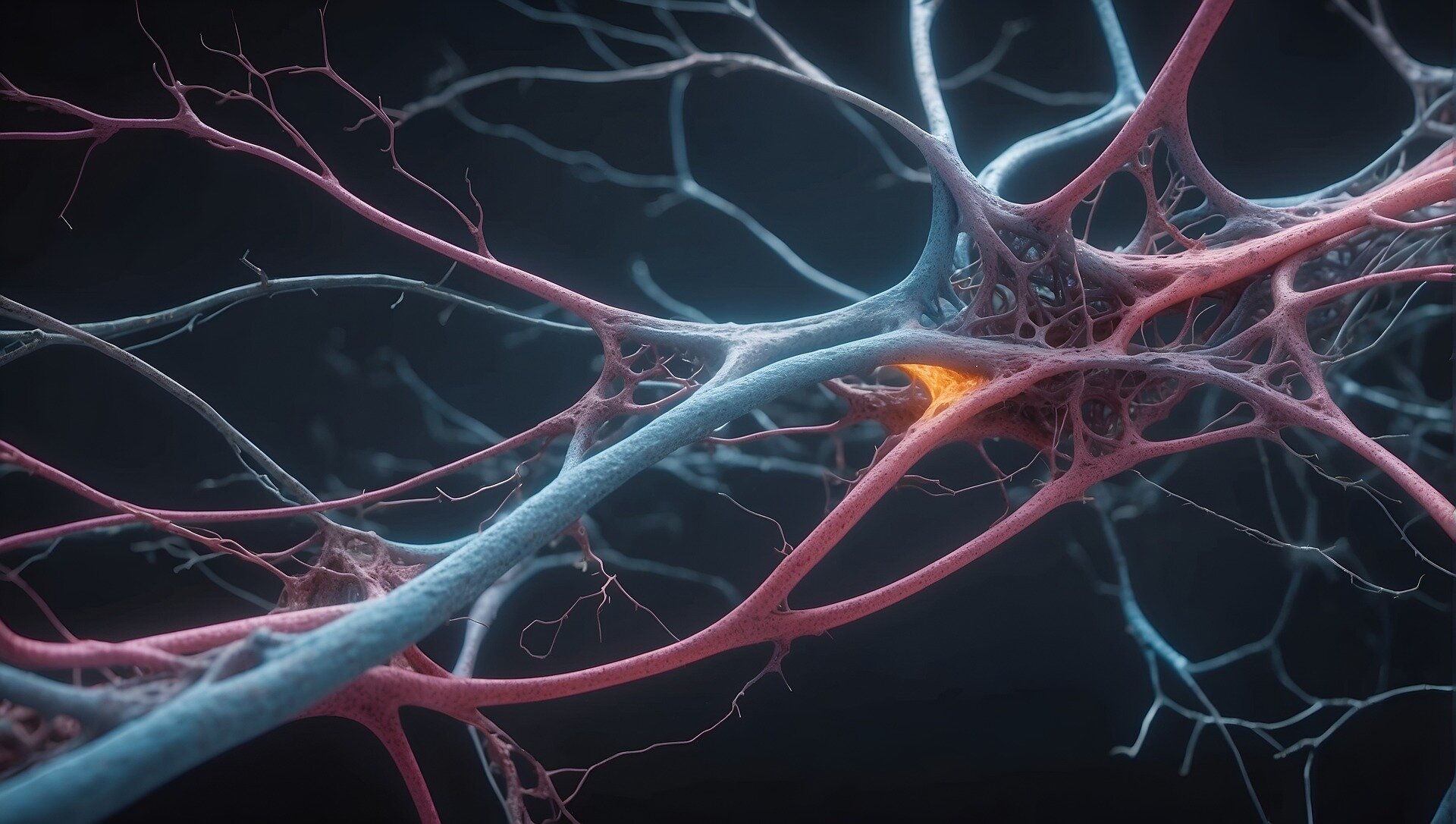
Neuroscientists have established in recent decades the idea that some of each day’s experiences are converted by the brain into permanent memories during sleep the same night. Now, a new study proposes a mechanism that determines which memories are tagged as Important enough to linger in the brain until sleep makes them permanent.
Led by researchers from NYU Grossman School of Medicine, the study revolves around brain cells called neurons that “fire” – or bring about swings in the balance of their positive and negative charges — to transmit electrical signals that encode memories...
Recent Comments