Category Health/Medical

Portable, Non-invasive, Mindreading AI turns Thoughts into Text

Portable, non-invasive, mind-reading AI turns thoughts into text
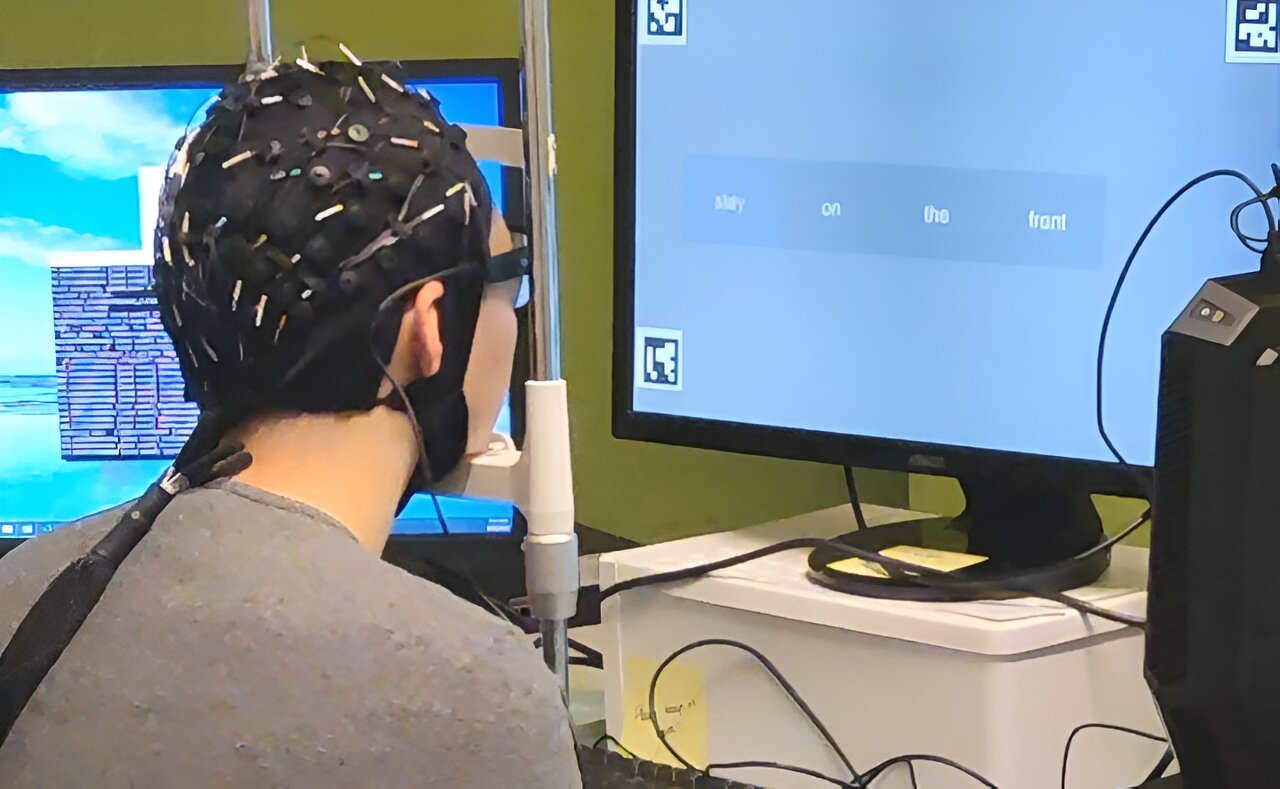
UTS researcher tests DeWave technology. Credit: University of Technology Sydney

In a world-first, researchers from the GrapheneX-UTS Human-centric Artificial Intelligence Centre at the University of Technology Sydney (UTS) have developed a portable, non-invasive system that can decode silent thoughts and turn them into text.

The technology could aid communication for people who are unable to speak due to illness or injury, including stroke or paralysis. It could also enable seamless communication between humans and machines, such as the operation of a bionic arm or robot.

The study has been selected as the spotlight paper at the NeurIPS conference, an annual meeting that showcases world-leading research on artificial intelligence and machine learning, held in New Orleans on 12 De...

Read More
Genetic Mutations that Promote Reproduction tend to Shorten Human Lifespan, study shows

Concept illustration of a man and his DNA aging. Image credit: Nicole Smith, made with Midjourney

A University of Michigan-led study based on a review of genetic and health information from more than 276,000 people finds strong support for a decades-old evolutionary theory that sought to explain aging and senescence.

In 1957, evolutionary biologist George Williams proposed that genetic mutations that contribute to aging could be favored by natural selection if they are advantageous early in life in promoting earlier reproduction or the production of more offspring. Williams was an assistant professor at Michigan State University at the time.

Williams’ idea, now known as the antagonistic pleiotropy theory of aging, remains the prevailing evolutionary explanation of senescence, the process of becoming old or aging...

Read More

Fungus-fighting Protein could help Overcome Severe Autoimmune disease and Cancer

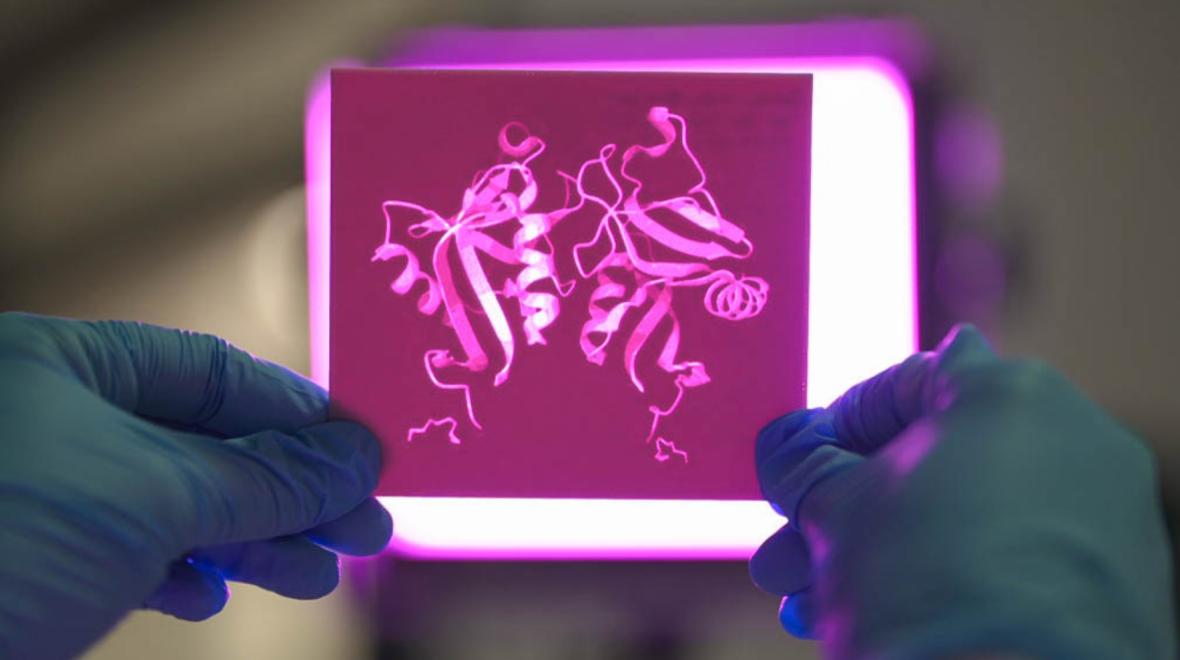
A 3D printed stencil of the DECTIN-1 protein. Photo: Tracey Nearmy/ANU

A protein in the immune system programmed to protect the body from fungal infections is also responsible for exacerbating the severity of certain autoimmune diseases such as irritable bowel disease (IBS), type 1 diabetes, eczema and other chronic disorders, new research from The Australian National University (ANU) has found.

The discovery could pave the way for new and more effective drugs, without the nasty side effects of existing treatments. In addition to helping to manage severe autoimmune conditions, the breakthrough could also help treat all types of cancer. The work has been published in Science Advances.

The scientists have discovered a previously unknown function of the protein, known as DECTIN-1, w...

Read More

Knocking Out part of the Innate Immune System to Improve Cancer Therapy

Credit: CC0 Public Domain

Researchers at Shanghai Jiao Tong University School of Medicine, China, have discovered that shutting down part of the innate immune system increases anti-tumor activity.

In a paper, “Noncanonical MAVS signaling restrains dendritic cell–driven antitumor immunity by inhibiting IL-12,” published in Science Immunology, the team details how exploring the role of mitochondrial antiviral signaling in tumor immunity uncovered unexpected insights into the relationship with immune responses and potential therapeutic implications.

Mitochondrial antiviral-signaling (MAVS) proteins are part of the innate immune system encoded by the nuclear genome found mainly on the mitochondrial outer membrane...

Read More