



- Discovery marks the first detection of variable water clouds outside of the solar system
- Rogue lipids: How routine cellular stress can fuel chronic inflammation
- New wireless system could power medical implants as they stretch
- Largest 2D map of the universe helps scientists discover new gravitational lenses
Category Health/Medical
The Gut Microbiome’s Supersized Role in Shaping Molecules in our Blood
November 11, 2022,
 Health/Medical, Biology/Biotechnology
OHSU Scientists Identify Molecule that could help Treat Parkinson’s
November 11, 2022,
Biology/Biotechnology, Health/Medical
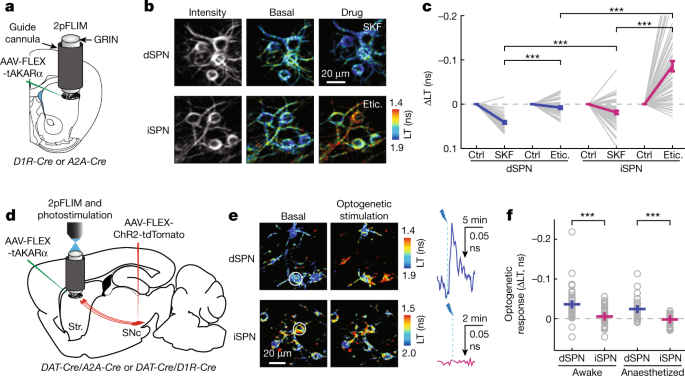
Discovery could immediately suggest new avenues for drug development. Researchers at Oregon Health & Science University have discovered that the neurotransmitter adenosine effectively acts as a brake to dopamine, another well-known neurotransmitter involved in motor control.
Scientists found that adenosine operates in a kind of push-pull dynamic with dopamine in the brain; the discovery published today in the journal Nature.
“There are two neuronal circuits: one that helps promote action and the other that inhibits action,” said senior author Haining Zhong, Ph.D., scientist with the OHSU Vollum Institute...
Read MoreNew Hope for Patients with Severe Bone Loss
November 10, 2022,
Health/Medical, Biology/Biotechnology
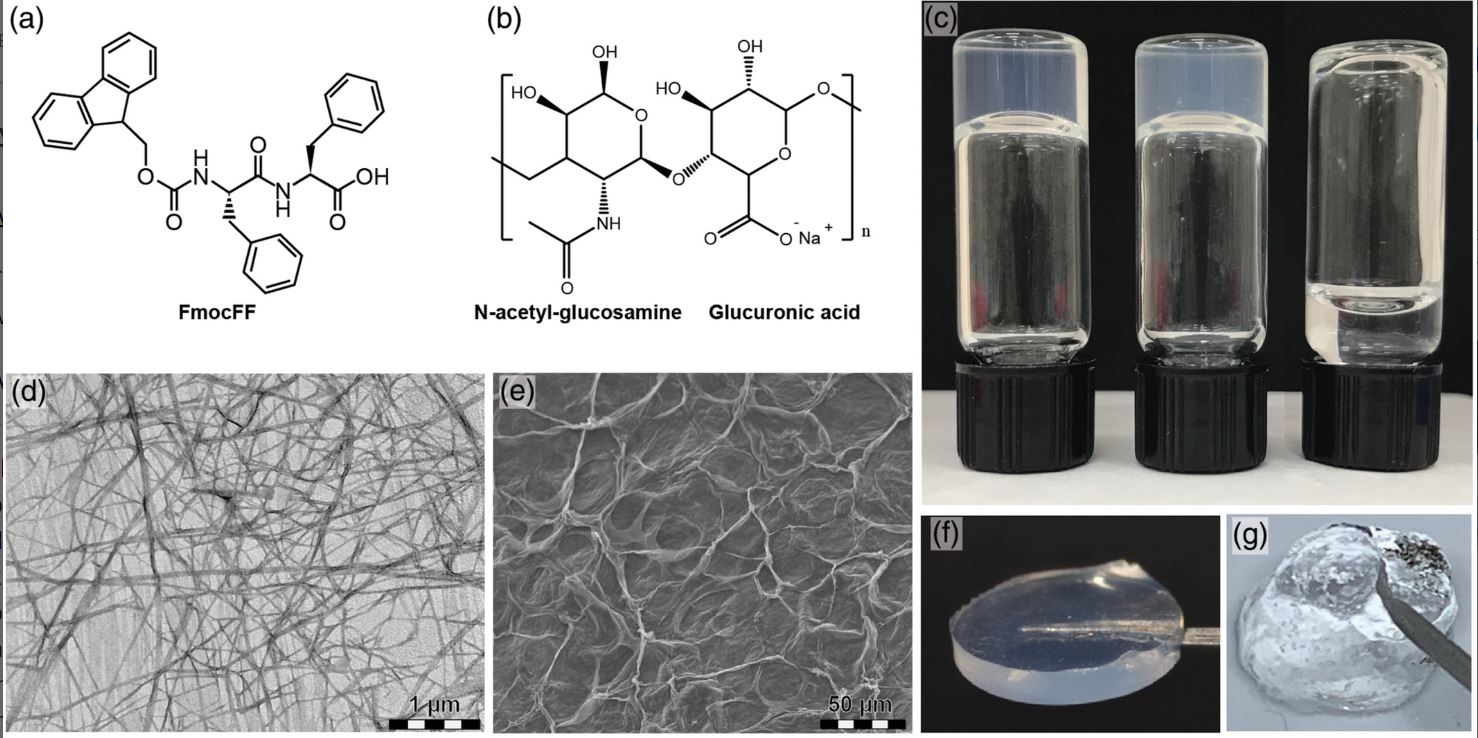
Researchers induced bone regeneration with a special hydrogel that mimics the bone’s natural environment...
Read MoreHormone discovery could Predict Long Term Health of Men
November 9, 2022,
Health/Medical, Biology/Biotechnology

Researchers have discovered the vital role of a hormone, that develops in men during puberty, in providing an early prediction of whether they could develop certain diseases in later life.
Scientists from the University of Nottingham have discovered that the novel insulin-like peptide hormone, called INSL3, is consistent over long periods of time and is an important early biomarker for prediction of age-linked disease. Their latest findings have been published today in Frontiers in Endocrinology.
INSL3 is made by the same cells in the testes that make testosterone, but unlike testosterone which fluctuates throughout a man’s life, INSL3 remains consistent, with the level at puberty remaining largely the same throughout a man’s life, decreasing only slightly into old age...
Read More
Recent Comments