
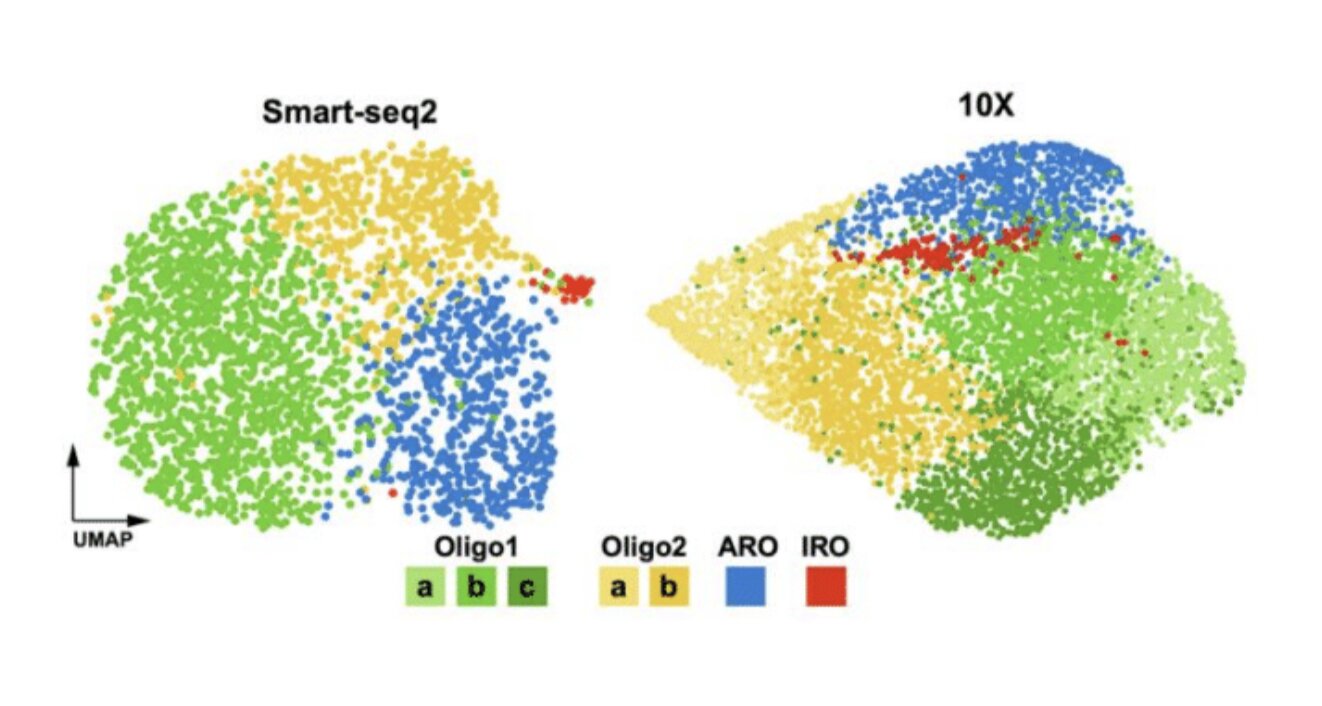
Past neuroscience studies have consistently demonstrated that the aging of the mammalian nervous system is liked with a decline in the volume and functioning of white matter, nerve fibers found in deep brai...
Read More

November 8, 2022,
 Health/Medical, Biology/Biotechnology
Past neuroscience studies have consistently demonstrated that the aging of the mammalian nervous system is liked with a decline in the volume and functioning of white matter, nerve fibers found in deep brai...
Read More
November 4, 2022,
Health/Medical, Biology/Biotechnology
Brain changes in autism are comprehensive throughout the cerebral cortex rather than just particular areas thought to affect social behavior and language, according to a new UCLA-led study that significantly refines scientists’ understanding of how autism spectrum disorder (ASD) progresses at the molecular level.
The study, published today in Nature, represents a comprehensive effort to characterize ASD at the molecular level...
Read More
November 4, 2022,
Health/Medical, Biology/Biotechnology
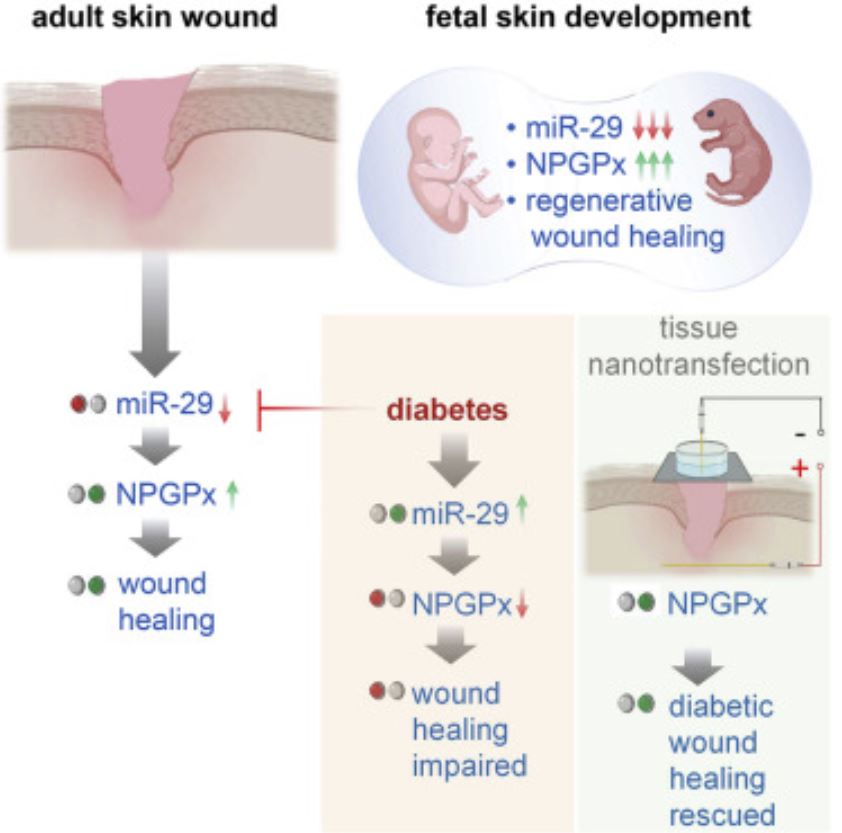
Researchers at Indiana University School of Medicine are looking for ways to heal wounds by using a healing protein that is active in fetuses, but largely inactive in adults and absent in diabetic adults.
“We already know from previous studies at other institutions that if a fetus is wounded, it can regenerate the tissue, or repair it to be like new,” said Chandan K. Sen, PhD, associate vice president of military and applied research, the J. Stanley Battersby chair and distinguished professor of surgery and director of the Indiana Center for Regenerative Medicine and Engineering at Indiana University School of Medicine. “But after birth, such regenerative wound healing ability is lost. Healing in adults is relatively inefficient often associated with undesirable scar formation.”
...Read More
November 2, 2022,
Health/Medical, Biology/Biotechnology
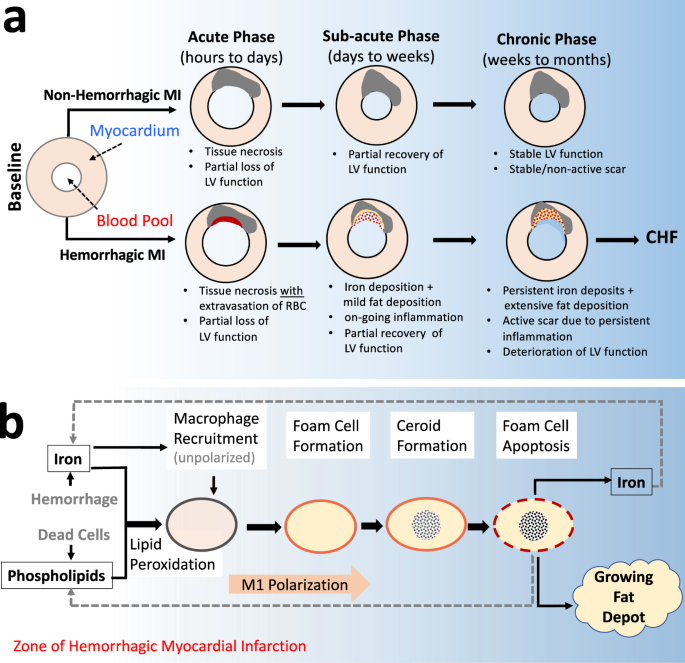
A multi-institution study led by Rohan Dharmakumar, PhD, of Indiana University School of Medicine, has identified that iron drives the formation of fatty tissue in the heart and leads to chronic heart failure in about fifty percent of heart attack survivors. The discovery, recently published in Nature Communications, paves the way for treatments that have the potential to prevent heart failure in nearly half a million people a year in the United States, and many millions more worldwide.
“For the first time, we have identified a root cause of chronic heart failure following a heart attack,” Dharmakumar said.
Dharmakumar is executive director of IU’s Krannert Cardiovascular Researc...
Read More
Recent Comments