Category Health/Medical

Loss of Neurons, Not Lack of Sleep, makes Alzheimer’s Patients Drowsy

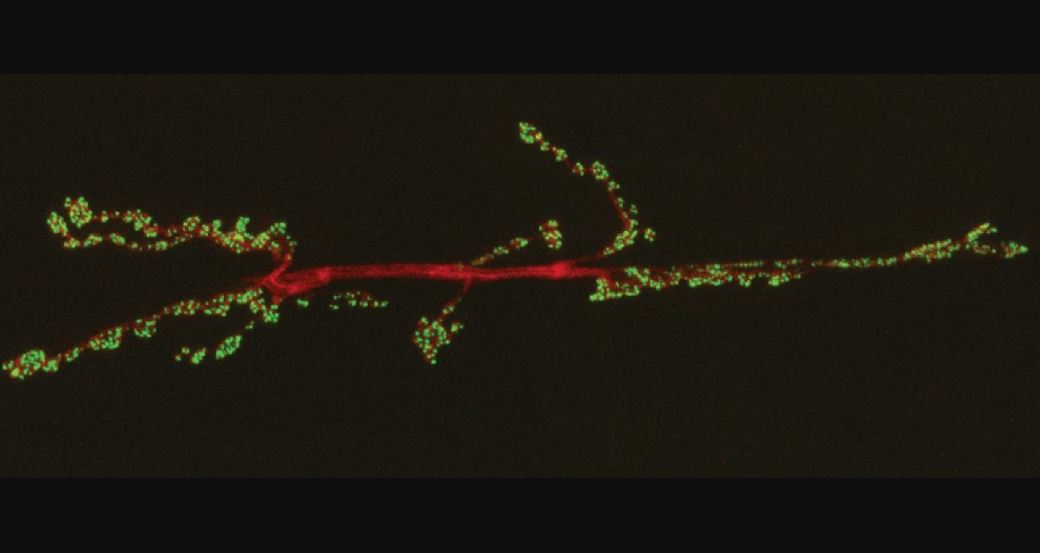
Neurons that promote wakefulness in the brain of an Alzheimer’s patient (green). There are far fewer functioning neurons that would be seen in a healthy brain, indicating that the awake system is weakened in this patient. Image by Grinberg Lab

Reviving ‘awake neurons’ could be the solution to their sleepiness. The lethargy that many Alzheimer’s patients experience is caused not by a lack of sleep, but rather by the degeneration of a type of neuron that keeps us awake, according to a study that also confirms the tau protein is behind that neurodegeneration.

The study’s findings contradict the common notion that Alzheimer’s patients sleep during the day to make up for a bad night of sleep and point toward potential therapies to help these patients feel more awake.

The data came fro...

Read More

Burst of Accumulated Zinc shows how the Mineral Boosts Immune Function, suggesting ways to Improve Health

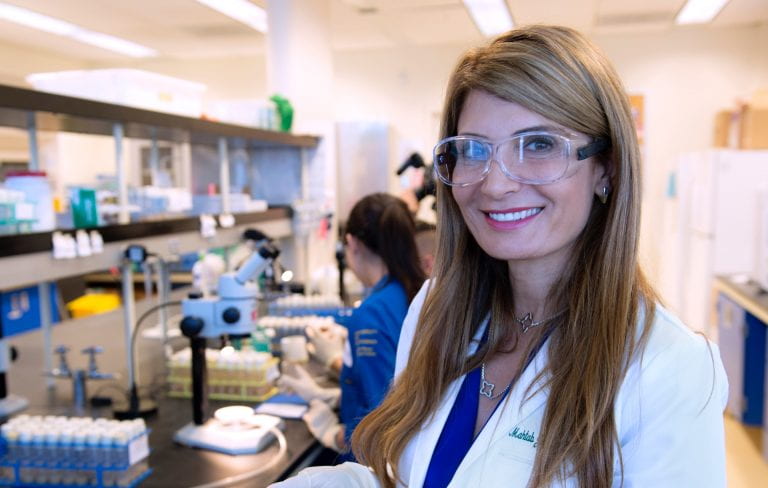
Dudakov Lab postdoctoral fellow Dr. Lorenzo Iovino discovered two ways that zinc helps boost the immune system.Photo by Robert Hood / Fred Hutch News Service

In mice, zinc helps thymus of the immune system regrow and immune-cell recovery after bone marrow transplant. Zinc’s immune-boosting properties are well-established, but scientists haven’t known exactly how it works. In a new study published online March 25 in the journal Blood, Fred Hutchinson Cancer Research Center scientists reveal two ways the mineral supports immunity and suggest how it could be used to improve health.

Using mice, the team discovered that zinc is needed for the development of disease-fighting immune T cells and prompts regeneration of the thymus, the immune organ that produces T cells.

“This study adds ...

Read More

Scavenger Nanoparticles could make Fuel Cell-Powered Vehicles a Reality

New material prevents inexpensive catalysts from degrading. Engineers at the University of Illinois Chicago are among a collaborative team that has developed a material that could give fuel cell systems a competitive edge over the battery systems that currently power most electric vehicles.

In contrast to lithium batteries, fuel cell technology relies on catalyst-driven chemical reactions to create energy. Lithium batteries can typically achieve a range of 100-300 miles on one charge, but they also are vulnerable to the high cost of cathode materials and manufacturing and require several hours to charge...

Read More

Study shows Critical Protein may play a Role in Origin of Mesothelioma

Researchers at the University of Colorado Anschutz Medical Campus and their international collaborators have discovered that a protein critical in the embryonic stages of life is reactivated in certain cases of mesothelioma, offering clues into the origin of this aggressive cancer.

The study published today in the journal Nature Communications.

“Together with our basic research and clinical collaborators, we have discovered that in numerous mesothelioma tumors, the Hand2 protein has been turned back on, possibly altering the cells of the tumor,” said Christian Mosimann, PhD, lead author of the study and associate professor of pediatrics in the section of developmental biology at the University of Colorado School of Medicine on the CU Anschutz Medical Campus...

Read More