Category Health/Medical

More Sensitive X-ray Imaging

Researchers at MIT have shown how one could improve the efficiency of scintillators by at least tenfold by changing the material’s surface. This image shows a TEM grid on scotch tape, with the right side showing the scene after it is corrected.
Credits:Image: Courtesy of the researchers, edited by MIT New

Improvements in the material that converts X-rays into light, for medical or industrial images, could allow a tenfold signal enhancement.

Scintillators are materials that emit light when bombarded with high-energy particles or X-rays. In medical or dental X-ray systems, they convert incoming X-ray radiation into visible light that can then be captured using film or photosensors...

Read More

A Type of Virus present in the Gut Microbiota is Associated with Better Cognitive Ability in Humans, Mice and Flies

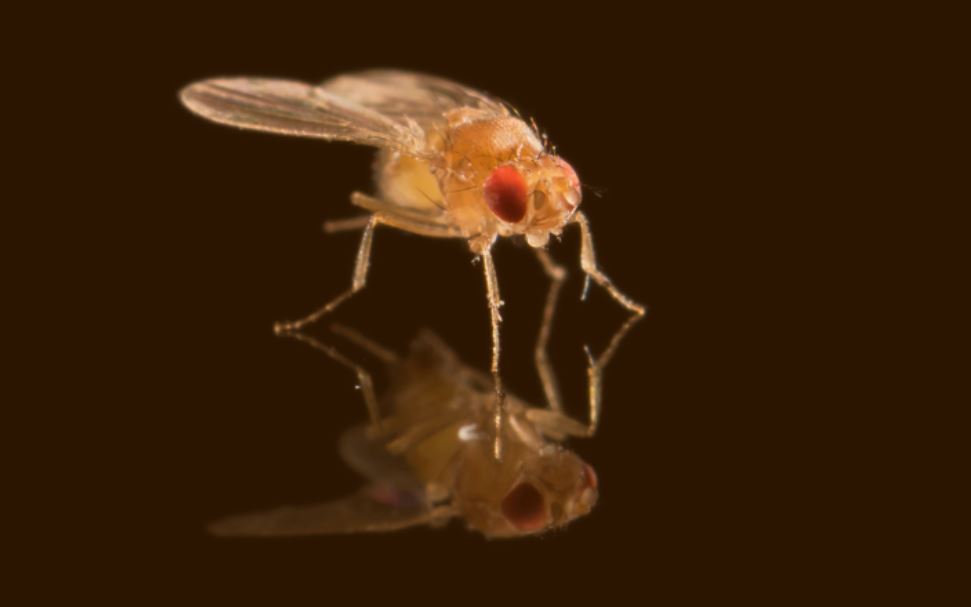
Study finds a greater presence of these viruses in people who eat dairy products in their regular diet. New research associates the presence of Caudovirales in gut microbiota to an improvement in cognitive functions and memory in humans, mice and flies. The article, published in the journal Cell Host & Microbe, was led by Dr. Jordi Mayneris-Perxachs and Dr. José Manuel Fernández-Real, of the Nutrition, Eumetabolism and Health group of the Girona Biomedical Research Institute (IDIBGI) Dr. Josep Trueta and CIBEROBN, and has been carried out in collaboration with the Neuropharmacology research group led by Dr...

Read More

Connecting Science to Medicine: Tendon-like Tissue created from Human Stem Cells

Researchers develop artificial tendons in vitro from human stem cells that could fix common tendon injuries such as Achilles tendon rupture. Tendons are tissues that connect muscles to bones and are important for movement and locomotion. Injuries to tendons are quite common, with millions of people — particularly athletes — affected worldwide, and can often take many months to recover from, significantly impacting quality of life. Furthermore, while many options for treatment exist, none of them are perfect cures and many result in pain, immunogenicity, or long-term treatment failure. Therefore, a novel therapeutic strategy for tendon repair is needed.

In a study published in the Journal of Tissue Engineering in January 2022, researchers from Tokyo Medical and Dental University (TM...

Read More

Self-Healing Materials for Robotics made from ‘Jelly’ and Salt

Researchers have developed self-healing, biodegradable, 3D-printed materials that could be used in the development of realistic artificial hands and other soft robotics applications.

The low-cost jelly-like materials, developed by researchers at the University of Cambridge, can sense strain, temperature and humidity. And unlike earlier self-healing robots, they can also partially repair themselves at room temperature.

The results are reported in the journal NPG Asia Materials.

Soft sensing technologies could transform robotics, tactile interfaces and wearable devices, among other applications. However, most soft sensing technologies aren’t durable and consume high amounts of energy.

“Incorporating soft sensors into robotics allows us to get a lot more information from them...

Read More