Category Health/Medical

Machine Learning for Morphable Materials

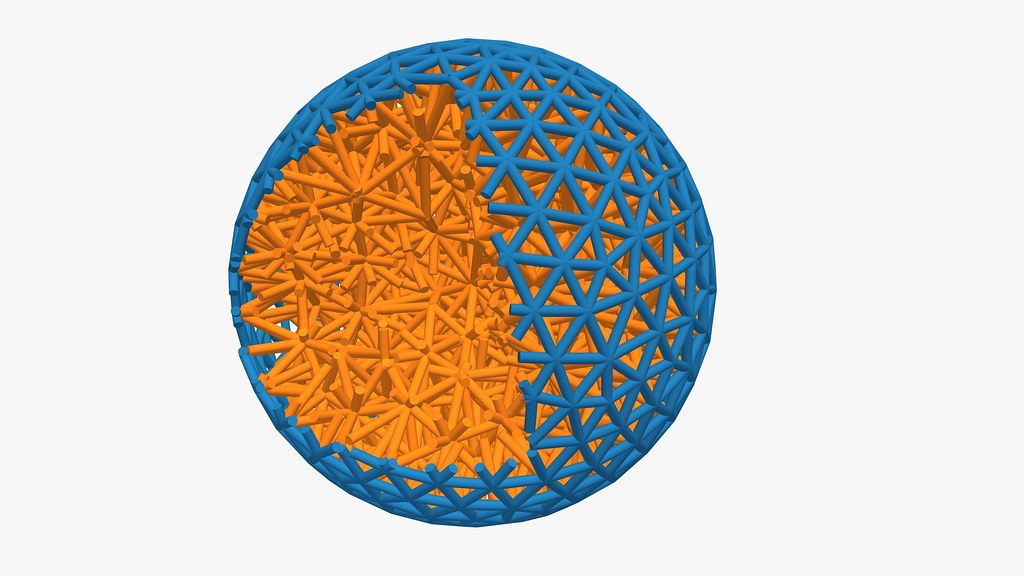
New platform can program the transformation of 2D stretchable surfaces into specific 3D shapes. Flat materials that can morph into three-dimensional shapes have potential applications in architecture, medicine, robotics, space travel, and much more. But programming these shape changes requires complex and time-consuming computations.

Now, researchers from the Harvard John A. Paulson School of Engineering and Applied Sciences (SEAS) have developed a platform that uses machine learning to program the transformation of 2D stretchable surfaces into specific 3D shapes.

“While machine learning methods have been classically employed for image recognition and language processing, they have also recently emerged as powerful tools to solve mechanics problems,” said Katia Bertoldi, the Wil...

Read More

Mouse Study Identifies Bacterial Protein associated with Colorectal Cancers

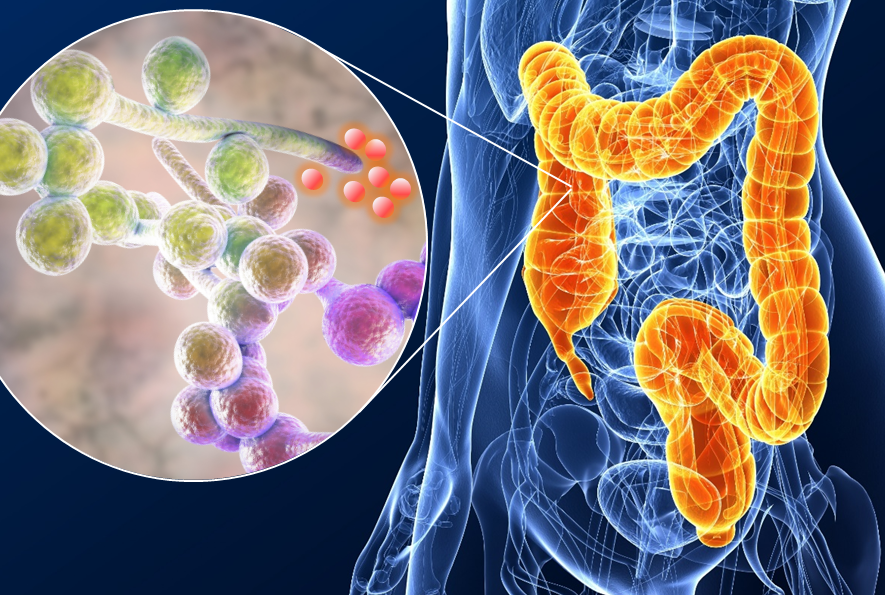
Newly identified toxin common in E. coli bacteria accelerated colon cancer in study mice; confirming link to human colorectal cancers could pave way for developing preventive drugs. The discovery raises the possibility that some of the roughly two million new cases of colorectal cancer every year around the world originate from brief and seemingly mild food-poisoning events. It also points to the possibility of future drugs that prevent colorectal cancers by neutralizing the newly identified toxin, UshA.

The findings were published January 12 in the January edition of Cancer Discovery.

Prior research has suggested that certain bacteria that reside in the gut can trigger colorectal cancer via persistent infections involving chronic gut inflammation...

Read More

Study Challenges Evolutionary Theory that DNA Mutations are Random

Studying the genome of thale cress, a small flowering weed, led to a new understanding about DNA mutations. (Pádraic Flood)

Findings could lead to advances in plant breeding, human genetics. A simple roadside weed may hold the key to understanding and predicting DNA mutation, according to new research from University of California, Davis, and the Max Planck Institute for Developmental Biology in Germany.

The findings, published January 12 in the journal Nature, radically change our understanding of evolution and could one day help researchers breed better crops or even help humans fight cancer.

Mutations occur when DNA is damaged and left unrepaired, creating a new variation. The scientists wanted to know if mutation was purely random or something deeper...

Read More

How Triclosan, found in many consumer products, is triggered to Harm the Gut

Credit: Pixabay/CC0 Public Domain

A new study conducted in mice demonstrates precisely how triclosan, an antimicrobial found in many household items, including some toothpastes, toys and thousands of other products, can trigger gut inflammation.

Increasingly, research links triclosan with the gut microbiome and gut inflammation. A new study looks at the potential for combating damage to the intestine. The findings suggest new approaches for improving the diagnosis, prevention and treatment of inflammatory bowel disease.

An international team of researchers led by the University of North Carolina at Chapel Hill, the University of Massachusetts Amherst and Hong Kong Baptist University identified the bacteria, and even specific enzymes, that trigger triclosan’s harmful effects...

Read More