Category Health/Medical

Right Program could turn Immune Cells into Cancer Killers

A tumor-specific T cell engages with a tumor cell. Bystander T cells do not engage with the tumor. Credit: PNAS Dec. 10, 2002, Copyright (2002) National Academy of Sciences, U.S.A.

Cancer-fighting immune cells in patients with lung cancer whose tumors do not respond to immunotherapies appear to be running on a different “program” that makes them less effective than immune cells in patients whose cancers respond to these immune treatments, suggests a new study led by researchers at the Johns Hopkins Kimmel Cancer Center Bloomberg~Kimmel Institute for Cancer Immunotherapy.

The findings, published in the August 5 issue of Nature, could lead to new ways to overcome tumor resistance to these treatments.

“Cancer immunotherapies have tremendous promise, but this promise only comes to fr...

Read More

Staying Young, from the Cells On Up

A rendering of the enzyme complex named HTC
CREDIT: CHUM

Scientists discover a new enzymatic complex that can stop cells from aging, opening the way to possible new cancer therapies. Researchers at Université de Montréal and McGill University have discovered a new multi-enzyme complex that reprograms metabolism and overcomes “cellular senescence,” when aging cells stop dividing.

In their study published today in Molecular Cell, the researchers show that an enzyme complex named HTC (hydride transfer complex) can inhibit cells from aging.

“HTC protects cells from hypoxia, a lack of oxygen that normally leads to their death,” said senior author Gerardo Ferbeyre, an UdeM biochemistry professor and principal scientist at the CRCHUM, the university’s affiliated teaching hospital resea...

Read More

Now we’re Cooking with Lasers

Chicken being cooked by a blue laser. Light is being directed by two software-controlled mirror galvanometers.

Imagine having your own digital personal chef; ready to cook up whatever you want; able to tailor the shape, texture, and flavor just for you; and it’s all at the push of a button. Columbia engineers have been working on doing just that, using lasers for cooking and 3D printing technology for assembling foods.

Under the guidance of Mechanical Engineering Professor Hod Lipson, the “Digital Food” team of his Creative Machines Lab has been building a fully autonomous digital personal chef. Lipson’s group has been developing 3D-printed foods since 2007...

Read More

Gut Bacteria might be an Indicator of Colon Cancer Risk

gut bacteria
Credit: CC0 Public Domain

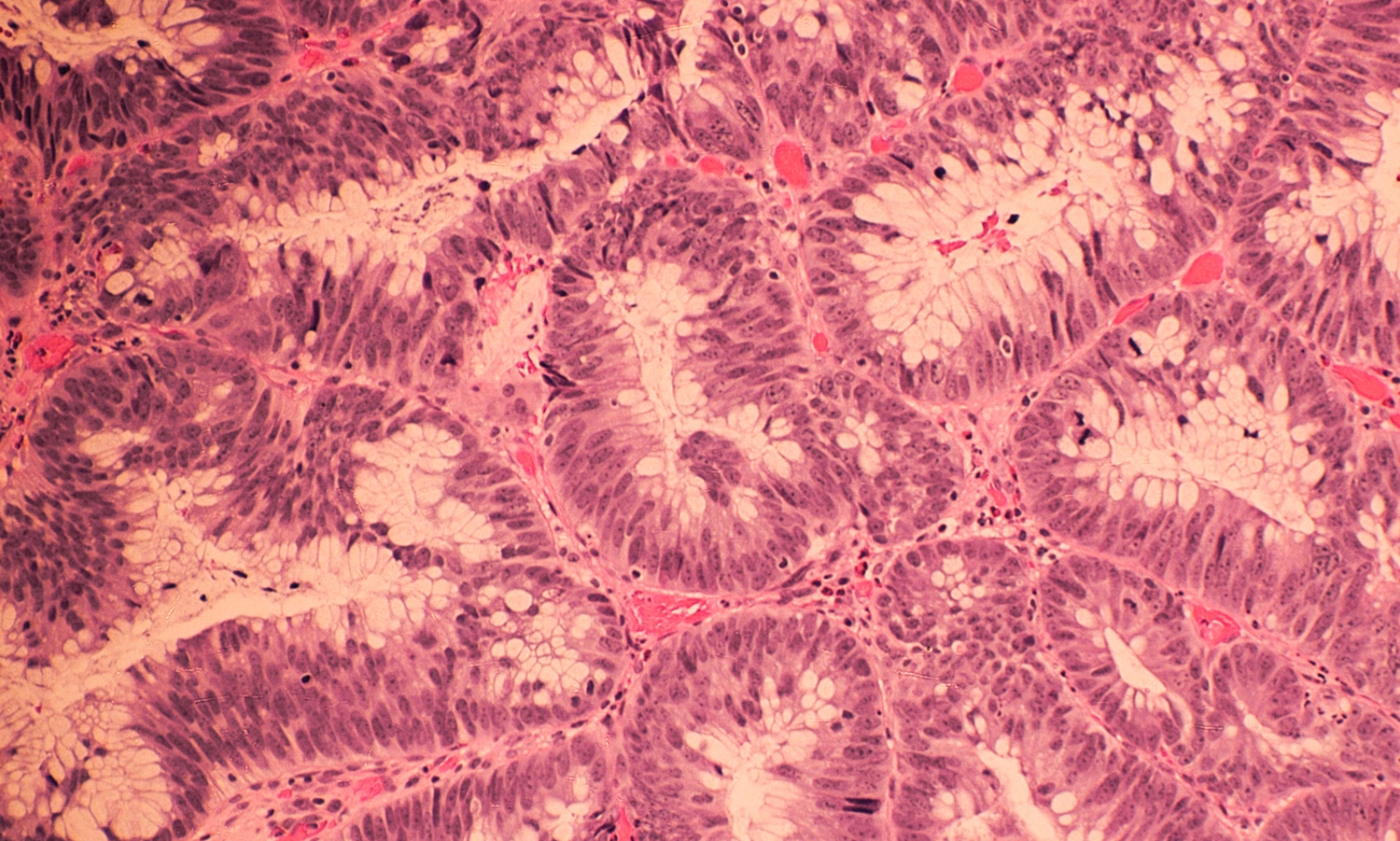
A study published today in the journal Cell Host & Microbe reported that the increased presence of certain bacteria in a gut biome indicates a greater likelihood that colon polyps will become cancerous.

In his research, William DePaolo, associate professor at the University of Washington School of Medicine, tracked 40 patients who had undergone routine colonoscopies and had biopsies taken near the polyps to identify bacteria present at relatively higher levels compared with those of patients who were polyp-free. All the patients were between the ages 50 and 75, and 60% were women.

“The rising incidence of colorectal cancer is a major health concern, but little is known about the composition and role of microbiota associated with precancerous polyps,” the...

Read More