Category Health/Medical

A Promising New Pathway to treating Type2 Diabetes

According to the Centers for Disease Control, diabetes affects 34.2 million Americans. An additional 88 million people over the age of 18 are prediabetic, or at risk of developing diabetes.

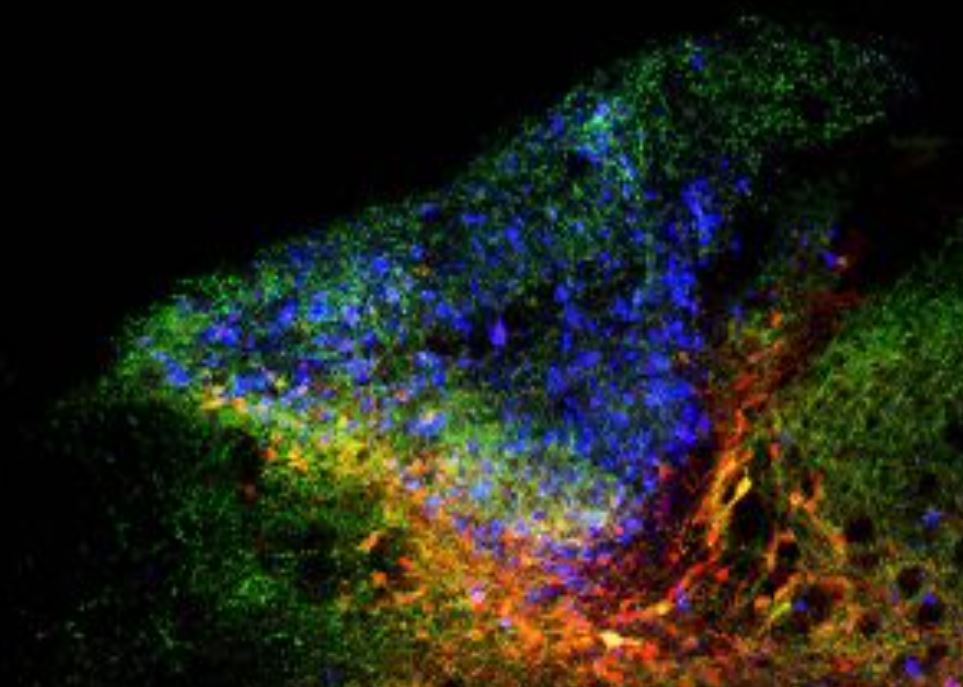
Researchers believe the liver may hold the key to new, preventative Type 2 diabetes treatments. This year marks the 100th anniversary of the discovery of insulin, a scientific breakthrough that transformed Type 1 diabetes, once known as juvenile diabetes or insulin-dependent diabetes, from a terminal disease into a manageable condition.

Today, Type 2 diabetes is 24 times more prevalent than Type 1...

Read More

Transient Pacemaker Harmlessly Dissolves in Body

The device, seen here mounted on the heart, could have many benefits for post-cardiac surgery patients.

Wireless, fully implantable device gives temporary pacing without requiring removal. Researchers at Northwestern and George Washington (GW) universities have developed the first-ever transient pacemaker — a wireless, battery-free, fully implantable pacing device that disappears after it’s no longer needed.

The thin, flexible, lightweight device could be used in patients who need temporary pacing after cardiac surgery or while waiting for a permanent pacemaker. All components of the pacemaker are biocompatible and naturally absorb into the body’s biofluids over the course of five to seven weeks, without needing surgical extraction.

The device wirelessly harvests energy from an e...

Read More

Advanced care: Smart Wound Dressings with Built-in Healing Sensors

A sample of glowing material, held by tweezers
The fluorescent nanosensors respond to changes in pH, making them ideal for use as sensors to track healing.

Fluorescent sensors glow brightly under UV light if infection starts to set in. Researchers have developed smart wound dressings with built-in nanosensors that glow to alert patients when a wound is not healing properly.

The multifunctional, antimicrobial dressings feature fluorescent sensors that glow brightly under UV light if infection starts to set in and can be used to monitor healing progress.

The smart dressings, developed by a team of scientists and engineers at RMIT University in Melbourne, Australia, harness the powerful antibacterial and antifungal properties of magnesium hydroxide.

They are cheaper to produce than silver-based dressings but equally as effect...

Read More

Pushing through Nanopores: Genetic Sequencing with MXene

Pushing through nanopores: Genetic sequencing with MXene
MXene’s superior mechanical ability, and thermal and chemical stability, make it a strong option for solid-state, nanopore DNA sequencing. Credit: Mechanical and AI Lab, College of Engineering, Carnegie Mellon University

It took 13 years and one billion dollars to sequence the human genome, an enormous scientific undertaking that launched a new era of medicine. With today’s advances in sequencing technology, that same task would have only taken about a day at a fraction of the cost. Tomorrow’s tech could whittle that down to mere seconds.

Nanopore-based DNA sequencing is a third generation technology that has the potential to further transform health care by providing rapid diagnostics of illnesses and personalizing medicine. The more efficient the method, the better...

Read More