Category Health/Medical

Dietary Cocoa improves Health of Obese Mice; likely has Implications for Humans

This study used a commercially available cocoa product at a “physiologically achievable dose” — meaning its equivalent could be duplicated by humans. For people it works out to about 10 tablespoons of cocoa powder a day.
 IMAGE: GETTYIMAGES FCAFOTODIGITAL

Supplementation of cocoa powder in the diet of high-fat-fed mice with liver disease markedly reduced the severity of their condition, according to a new study by Penn State researchers, who suggest the results have implications for people.

Cocoa powder, a popular food ingredient most commonly used in the production of chocolate, is rich in fiber, iron and phytochemicals reported to have positive health benefits, including antioxidant polyphenols and methylxanthines, noted study leader Joshua Lambert, professor of food science ...

Read More

Toxic Gas in Rat Brains shows potential for new Dementia Treatments

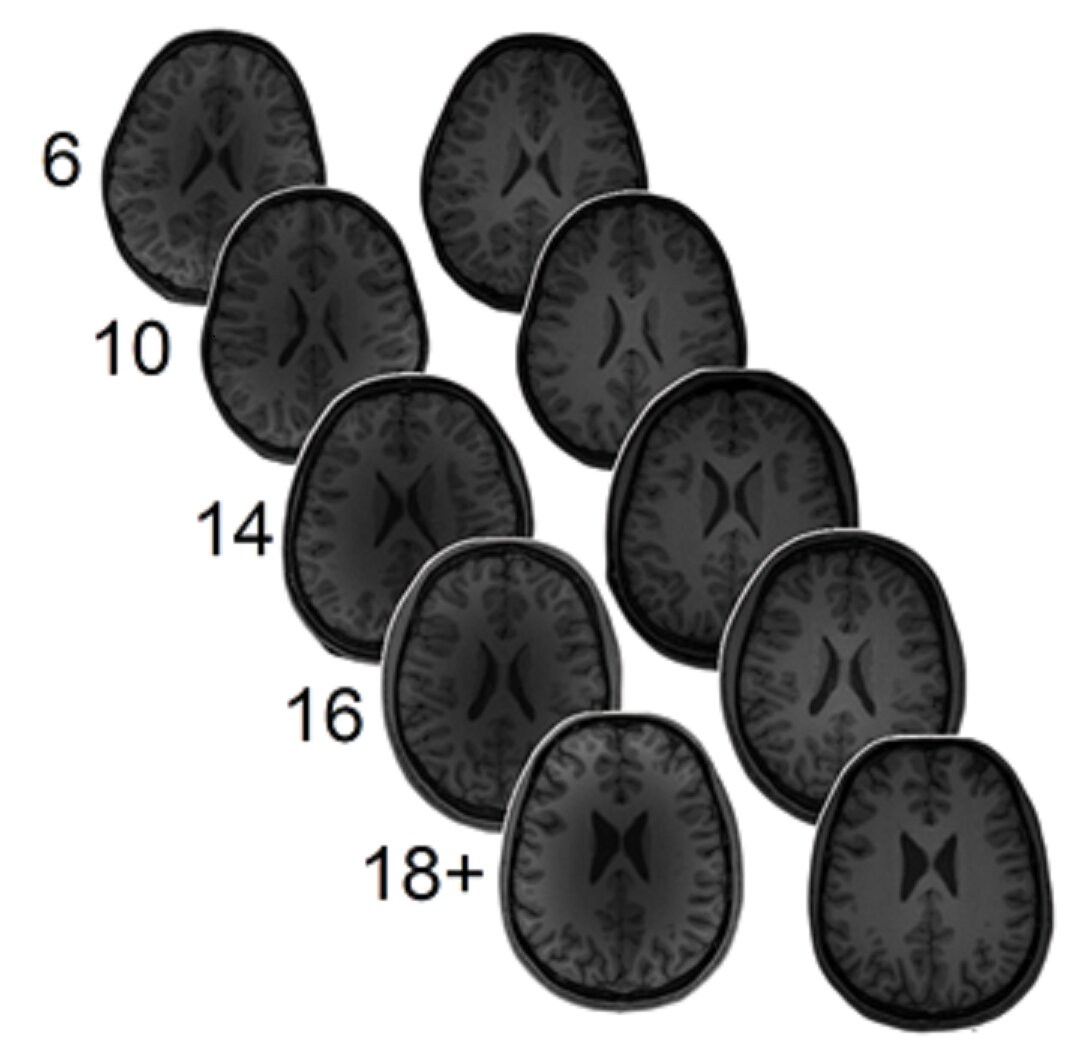
Scans of a brain from an fMRI

A potential treatment for dementia and epilepsy could look to reduce the amounts of a toxic gas in the brain has been revealed in a new study using rat brain cells.

The research published in Scientific Reports shows that treatments to reduce levels of hydrogen sulfide (H2S) in the brain may help to ward off damage caused by the gas. By testing rat brain cells, the team of scientists from the University of Reading, University of Leeds and John Hopkins University in the USA found that H2S is involved in blocking a key brain cell gateway that helps the brain to communicate effectively.

Dr Mark Dallas, Associate Professor in Cellular Neuroscience at the University of Reading said:

“This is an exciting finding as it gives us new insights about the role of hydrogen sulfide in vario...

Read More

No batteries? No sweat! Wearable Biofuel Cells now produce Electricity from Lactate

No batteries? No sweat! Wearable biofuel cells now produce electricity from  lactate | EurekAlert! Science News

Scientists develop biofuel cells that can power wearable electronics purely by using human sweat. Wearable electronic devices and biosensors are great tools for health monitoring, but it has been difficult to find convenient power sources for them. Now, a group of scientists has successfully developed and tested a wearable biofuel cell array that generates electric power from the lactate in the wearer’s sweat, opening doors to electronic health monitoring powered by nothing but bodily fluids.

It cannot be denied that, over the past few decades, the miniaturization of electronic devices has taken huge strides...

Read More

Pain Receptors linked to the Generation of Energy-burning Fat cells: implications for Obesity Therapy

Brown adipocytes derived from progenitors expressing the Trpv1 receptor are labeled with Green Fluorescent Protein (GFP) and are found in brown adipose tissue of mice exposed to cold temperature. ( © Joslin Diabetes Center 2021)

A new source of energy-expending brown fat cells has been uncovered by researchers at the Joslin Diabetes Center, which they say points towards potential new therapeutic options for obesity. According to the new report, published in Nature Metabolism, the key lies in the expression of a receptor called Trpv1 (temperature-sensitive ion channel transient receptor potential cation subfamily V member 1) — a protein known to sense noxious stimuli, including pain and temperature.

Specifically, the authors point to smooth muscle cells expressing the Trpv1 receptor...

Read More