
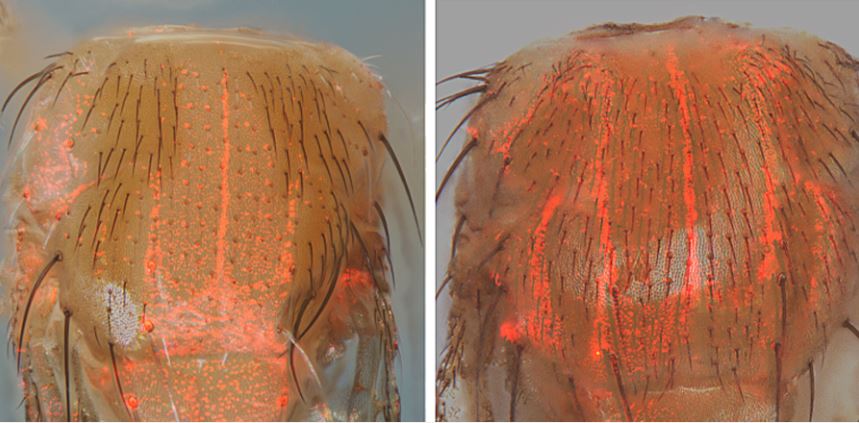
Proof-of-principle research shows that genes can be accurately edited in cells throughout the body...
Read More

May 12, 2021,
 Health/Medical, Biology/Biotechnology
Proof-of-principle research shows that genes can be accurately edited in cells throughout the body...
Read More
May 12, 2021,
Health/Medical, Biology/Biotechnology

Researchers at the University of Missouri have created a low-cost, portable device that can apply non-invasive bioluminescent imaging technology to many uses in animals, humans.
A biochemical reaction between an enzyme called luciferase and oxygen causes fireflies to glow and is considered one of the most well-known examples of bioluminescence in nature...
Read More
May 11, 2021,
Health/Medical, Biology/Biotechnology

MRSA skin infections are often treated with intravenous injection of antibiotics, which can cause significant side effects and promote the development of resistant bacterial strains. To solve these problems, researchers at Karolinska Institutet in Sweden are developing a microneedle patch that delivers antibiotics directly into the affected skin area. New results published in Advanced Materials Technologies show that the microneedle patch effectively reduces MRSA bacteria in the skin.
MRSA (methicillin resistant Staphylococcus aureus) skin infections are potentially lethal, especially in patients with compromised immune systems...
Read More
May 10, 2021,
Health/Medical, Biology/Biotechnology
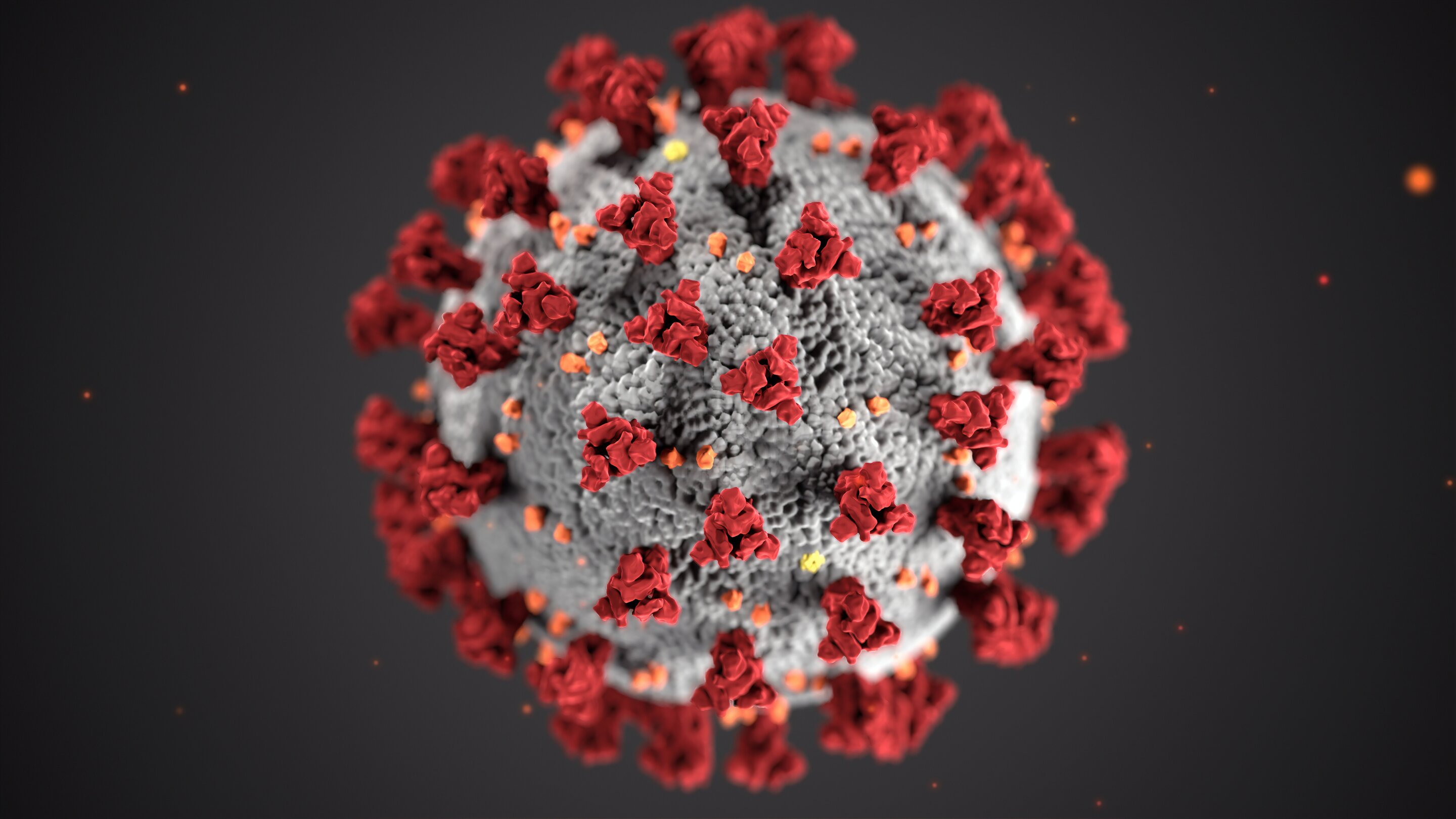
Getting COVID vaccines into the arms of the world’s population is an international priority—but will today’s jabs stay effective against virus variants that are spreading across the globe?
It is one of the big questions about the pandemic, with Pfizer chief Albert Bourla recently acknowledging that it is likely a booster will be needed to help extend the protection conferred by its vaccine and ward off new variants.
A recent study presented a mixed picture. It found that the antibody response of current vaccines could fail against variants. However, a second immune response in the form of killer T cells—which attack already infected cells and not the virus itself—remained largely intact.
Several startups are working on developing shots ...
Read More
Recent Comments