Category Health/Medical

Researchers 3D print Biomedical Parts with Supersonic Speed

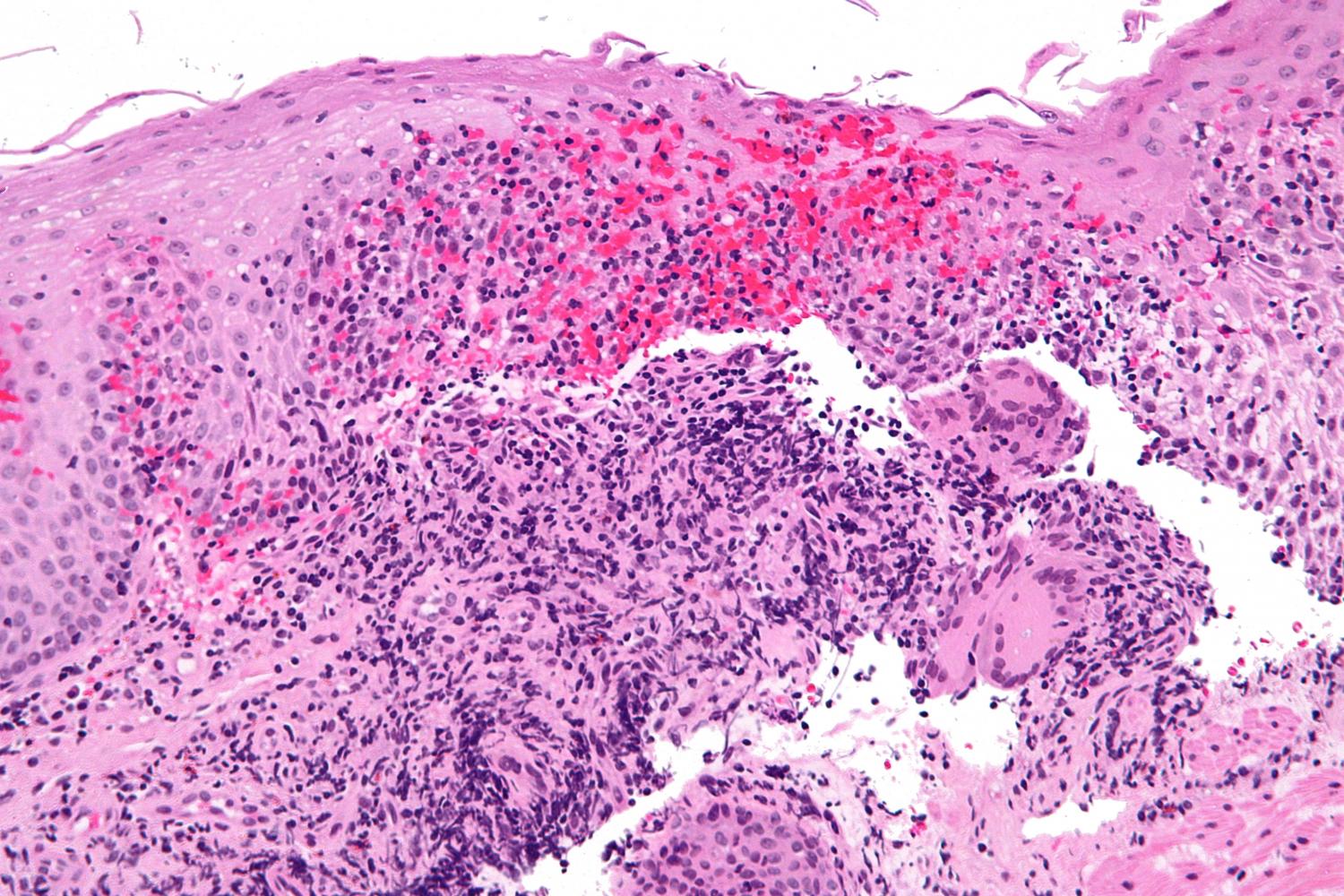
Cells adhering to titanium alloy
This image shows cells adhering to a titanium alloy created by cold-spray 3D printing, which demonstrates the material’s biocompatibility.

Forget glue, screws, heat or other traditional bonding methods. A Cornell University-led collaboration has developed a 3D printing technique that creates cellular metallic materials by smashing together powder particles at supersonic speed.

This form of technology, known as “cold spray,” results in mechanically robust, porous structures that are 40% stronger than similar materials made with conventional manufacturing processes. The structures’ small size and porosity make them particularly well-suited for building biomedical components, like replacement joints.

The team’s paper, “Solid-State Additive Manufacturing of Porous Ti-6Al-4V by Supe...

Read More

Bringing Drugs to the brain with Nanoparticles to treat Neurodegenerative diseases

After several years of research on effective and safe nanoparticles, the research team will continue laboratory testing, targeting the delivery of active ingredients to other animal models with ultimate clinical applications.

Researchers from the Institut national de la recherche scientifique (INRS) have shown that nanoparticles could be used to deliver drugs to the brain to treat neurodegenerative diseases.

The blood-brain barrier is the main obstacle in treating neurodegenerative diseases such as Alzheimer and Parkinson. According to a recent study conducted by Jean-Michel Rabanel, a postdoctoral researcher under the supervision of Professor Charles Ramassamy, nanoparticles with specific properties could cross this barrier and be captured by neuronal cells...

Read More

Scientists create Hybrid Tissue construct for Cartilage Regeneration

Abstract Image
3D Bioprinted Highly Elastic Hybrid Constructs for Advanced Fibrocartilaginous Tissue Regeneration

Wake Forest Institute for Regenerative Medicine scientists (WFIRM) have developed a method to bioprint a type of cartilage that could someday help restore knee function damaged by arthritis or injury.

This cartilage, known as fibrocartilage, helps connect tendons or ligaments or bones and is primarily found in the meniscus in the knee. The meniscus is the tough, rubbery cartilage that acts as a shock absorber in the knee joint. Degeneration of the meniscus tissue affects millions of patients and arthroscopic partial meniscectomy is one of the most common orthopedic operations performed. Besides surgery, there is a lack of available treatment options.

In this latest proof-of-concept ...

Read More

An Amazonian Tea Stimulates the Formation of New Neurons

An Amazonian tea stimulates the formation of new neurons
Preparation of ayahuasca in Ecuador. Credit: Terpsichore.

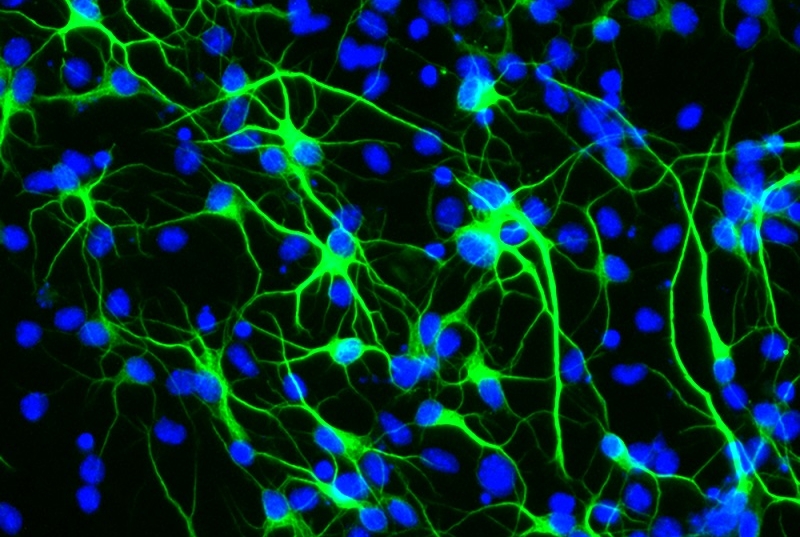
One of the main natural components of ayahuasca tea is dimethyltryptamine (DMT), which promotes neurogenesis —the formation of new neurons—according to research led by the Complutense University of Madrid (UCM).

In addition to neurons, the infusion used for shamanic purposes also induces the formation of other neural cells such as astrocytes and oligodendrocytes.

“This capacity to modulate brain plasticity suggests that it has great therapeutic potential for a wide range of psychiatric and neurological disorders, including neurodegenerative diseases,” explained José Ángel Morales, a researcher in the UCM and CIBERNED Department of Cellular Biology.

The study, published in Translational Psychiatry, a Nature Researc...

Read More