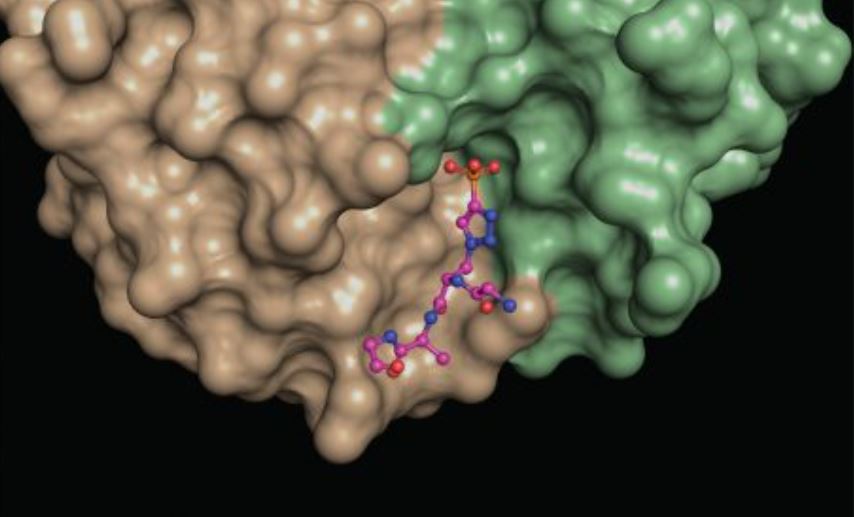
A structural snapshot of a phosphohistidine analogue (ball and stick model) nestled at the interface between different areas (green, brown) of a phosphohistidine antibody. Such structures provide insights into the molecular properties of the antibodies, which makes them useful for revealing elusive phosphohistidine-containing proteins in cells. Credit: Salk Institute
Xray crystallography and recombinant antibodies uncover workings of an elusive molecule central to human health. In structural biology, some molecules are so unusual they can only be captured with a unique set of tools...
People who eat a Mediterranean-style diet — particularly one rich in green leafy vegetables and low in red meat — are more likely to stay mentally sharp in later life, a study shows.
Closely adhering to a Mediterranean diet was associated with higher scores on a range of memory and thinking tests among adults in their late 70s, the research found.
The study found no link, however, between the Mediterranean-style diet and better brain health. Markers of healthy brain ageing — such as greater grey or white matter volume, or fewer white matter lesions — did not differ between those regularly eating a Mediterranean diet and those who did not.
These latest findings suggest that this primarily plant-based diet may have benefits for cognitive functioning as we get older, researchers...
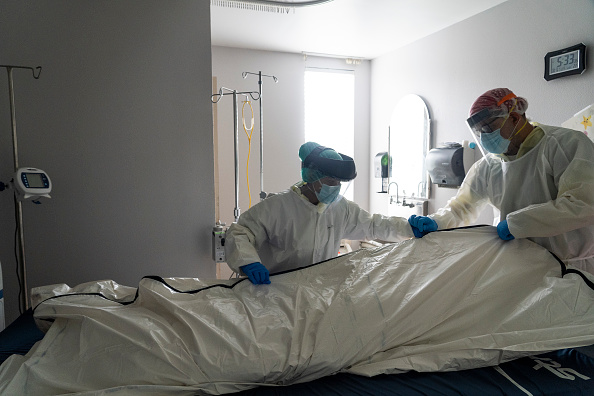
(Photo : Photo by Go Nakamura/Getty Images) HOUSTON, TX – JUNE 30: (EDITORIAL USE ONLY) Medical staff wearing full PPE wrap a deceased patient with bed sheets and a body bag in the Covid-19 intensive care unit at the United Memorial Medical Center on June 30, 2020 in Houston, Texas. Covid-19 cases and hospitalizations have spiked since Texas reopened, pushing intensive-care wards to full capacity and sparking concerns about a surge in fatalities as the virus spreads.
Algorithm using echocardiogram videos of the heart outperforms other predictors of mortality. Researchers at Geisinger have found that a computer algorithm developed using echocardiogram videos of the heart can predict mortality within a year.
The algorithm – an example of what is known as machine learning, or artificial...
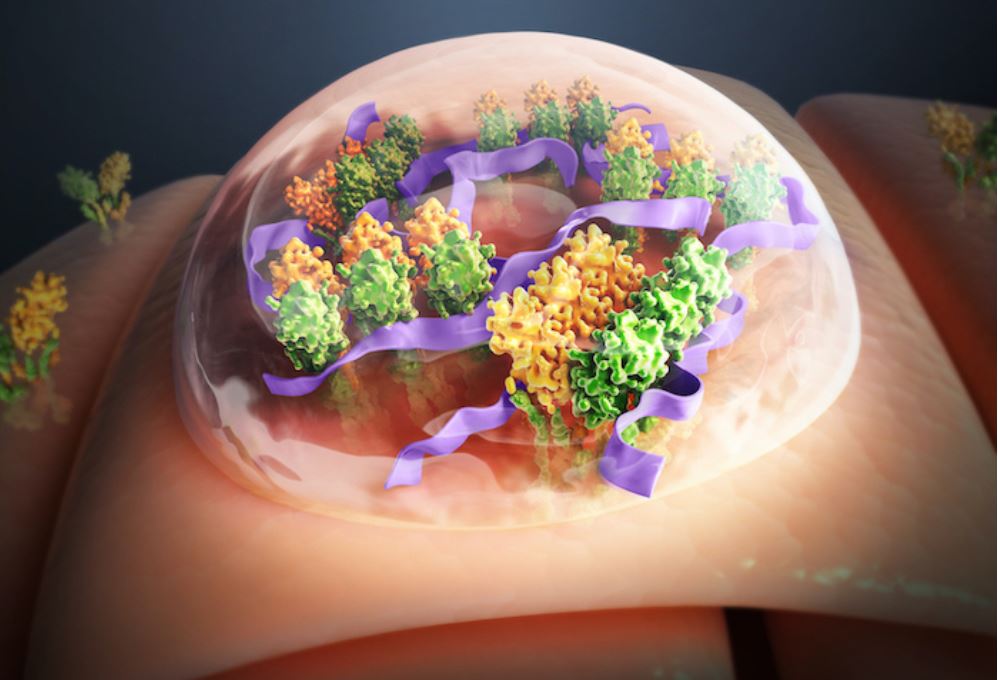
This artist’s rendering shows a synthetic polymer (purple) that activates STING proteins (yellow and green motifs) for cancer immunotherapy. Credit: Shenyang Zhiyan Science and Technology Co. Ltd
A new nanoparticle-based drug can boost the body’s innate immune system and make it more effective at fighting off tumors, researchers at UT Southwestern have shown. Their study, published in Nature Biomedical Engineering, is the first to successfully target the immune molecule STING with nanoparticles about one millionth the size of a soccer ball that can switch on/off immune activity in response to their physiological environment.
“Activating STING by these nanoparticles is like exerting perpetual pressure on the accelerator to ramp up the natural innate immune response to a tumor,” says...






Recent Comments