Category Health/Medical

One-time Treatment Generates New Neurons, Eliminates Parkinson’s disease in mice

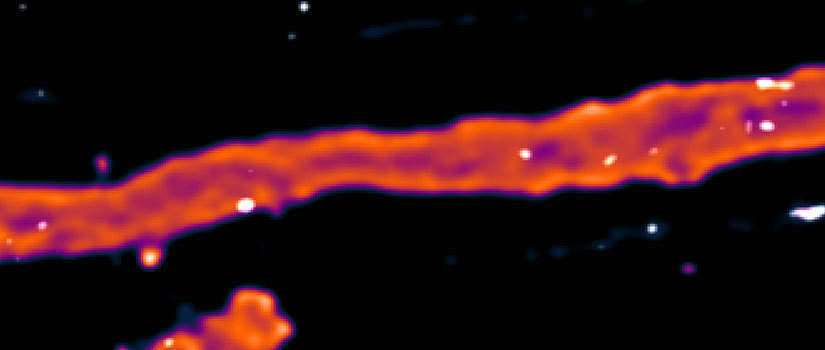
Left: mouse astrocytes (green) before reprogramming; Right: neurons (red) induced from mouse astrocytes after reprogramming with PTB antisense oligonucleotide treatment.

Researchers have discovered that a single treatment to inhibit a gene called PTB in mice converts native astrocytes, brain support cells, into neurons that produce the neurotransmitter dopamine. As a result, the mice’s Parkinson’s disease symptoms disappear.

Xiang-Dong Fu, PhD, has never been more excited about something in his entire career. He has long studied the basic biology of RNA, a genetic cousin of DNA, and the proteins that bind it. But a single discovery has launched Fu into a completely new field: neuroscience.

For decades, Fu and his team at University of California San Diego School of Medicine studied a pr...

Read More

Protein in Mitochondria appears to Regulate Halth and Longevity

Having greater amounts of the peptide humanin is closely correlated with longer lives and better health in both animals and humans, including lower risk for Alzheimer’s.

A new study led by researchers at the USC Leonard Davis School of Gerontology is the first to demonstrate that a tiny protein has a big impact on health and longevity in both animals and humans.

The researchers examined humanin, a peptide encoded in the small genome of mitochondria — the powerhouses of the cell. From experiments in laboratory animals to measurements in human patients, the multi-site collaboration demonstrates how higher levels of humanin in the body are connected to longer lifespans and better health. It is linked to a lower risk for diseases such as Alzheimer’s.

“Humanin has long been known to...

Read More

Hamsters develop protective Immunity to COVID-19 and are Protected by Convalescent Sera

Three x-rays of hamster lungs
Images of the lungs of hamsters before and after infection with SARS-CoV-2, from CT scans at UW Veterinary Care at the School of Veterinary Medicine. In blue are the trachea and bronchi. In red is a region of gas in the cavity just outside the lungs, indicating severe lung damage in the affected animal. The opaque clouding is similar to the “ground glass” appearance in the lungs of some human patients sick with COVID-19. Signs of severe disease in the lungs of hamsters became apparent within eight days of infection and began to improve by 10 days. The effects lingered for longer, as evident on the scan taken 16 days after initial infection. COURTESY OF YOSHIHIRO KAWAOKA

In an animal model for COVID-19 that shares important features of human disease, scientists at the University...

Read More

Viruses can Steal our Genetic Code to create new Human-Virus Genes

Highlights
d A mechanism of hybrid gene birth is employed by many
families of RNA viruses
d Human RNA and viral RNA encode new genes together
d Hybrid genes either make extensions of viral proteins or
novel proteins (UFOs)
d Human-virus genes and proteins play roles in pathogenesis
and are conserved

Like a scene out of “Invasion of the Body Snatchers,” a virus infects a host and converts it into a factory for making more copies of itself. Now researchers have shown that a large group of viruses, including the influenza viruses and other serious pathogens, steal genetic signals from their hosts to expand their own genomes.

This finding is presented in a study published online today and in print June 25 in Cell...

Read More