Category Health/Medical

Brain-to-Gut Connections traced

Neuroscientists at the University of Pittsburgh Brain Institute have traced neural pathways that connect the brain to the stomach, providing a biological mechanism to explain how stress can foster ulcer development.

The findings, published this week in the Proceedings of the National Academy of Sciences, build a scientific basis for the brain’s influence over organ function and emphasize the importance of the brain-body connection.

Until now, research exploring the gut-brain interaction has largely focused on the influence of the gut and its microbiome on the brain. But it’s not a one-way street – the brain also influences stomach function.

“Pavlov demonstrated many years ago that the central nervous system uses environmental signals and past experience to generate anti...

Read More

Scientists find Brain Center that ‘Profoundly’ Shuts Down Pain

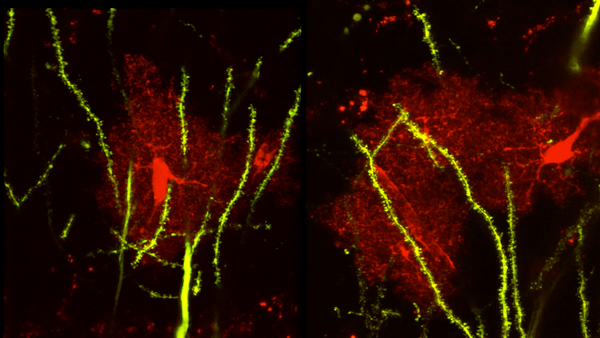
Neuron cells in the central amygdala of a mouse brain. Red, magenta and yellow cells (but not green or blue) are parts of a collection of neurons called the CeAga that has potent pain-suppression abilities. (Fan Wang Lab)

A Duke University research team has found a small area of the brain in mice that can profoundly control the animals’ sense of pain.

Somewhat unexpectedly, this brain center turns pain off, not on. It’s also located in an area where few people would have thought to look for an anti-pain center, the amygdala, which is often considered the home of negative emotions and responses, like the fight or flight response and general anxiety.

“People do believe there is a central place to relieve pain, that’s why placebos work,” said senior author Fan Wang, the Morris N...

Read More

Early Bird uses 10 times Less Energy to Train Deep Neural Networks

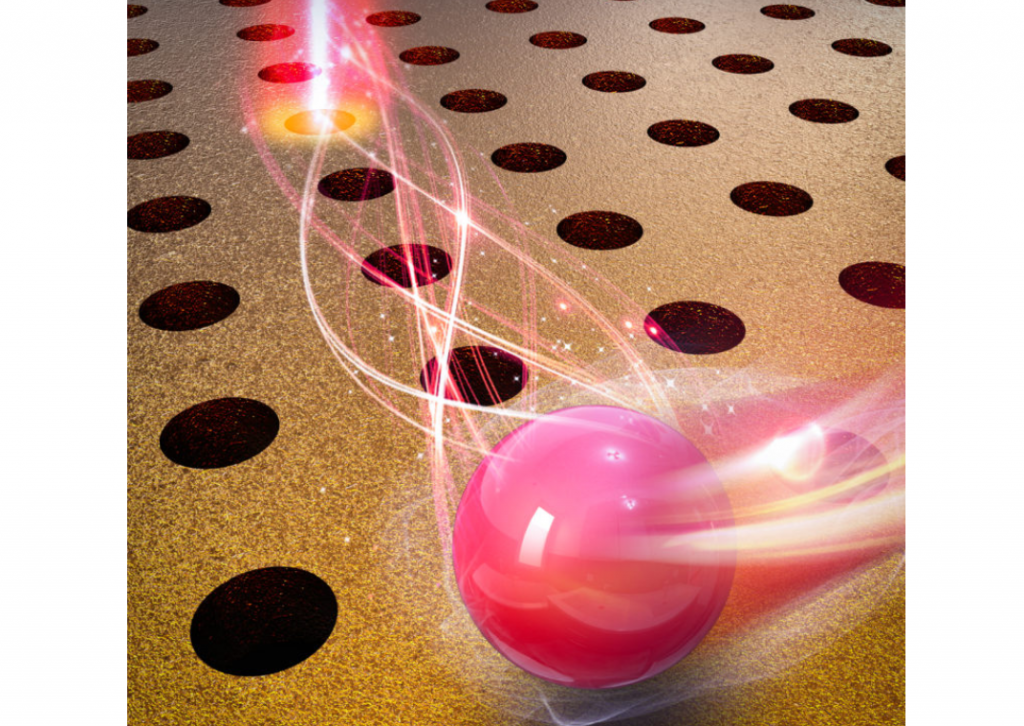
Rice University’s Early Bird method for training deep neural networks finds key connectivity patterns early in training, reducing the computations and carbon footprint for the increasingly popular form of artificial intelligence known as deep learning. (Graphic courtesy of Y. Lin/Rice University)

Novel training method could shrink carbon footprint for greener deep learning. Engineers have found a way to train deep neural networks for a fraction of the energy required today. Their Early Bird method finds key network connectivity patterns early in training, reducing the computations and carbon footprint for training deep learning.

Early Bird is an energy-efficient method for training deep neural networks (DNNs), the form of artificial intelligence (AI) behind self-driving cars, inte...

Read More

The Key to Weight Loss Through Exercise Could Be Picking The Right Time of Day.

main article image

Finding time to commit to exercise can be a real challenge, forcing many of us to squeeze in a quick run or gym session whenever there’s a spare moment. But research suggests if you really want to make the most of your exercise, you should do it at the same time each day. It’s a schedule your body will thank you for.

A 2019 study lead by researchers from Brown Alpert Medical School in the US showed it really doesn’t matter if you’re a dawn jogger or a twilight cyclist; it’s the consistency that’s key if it’s weight-loss you’re after.

The US Department of Health and Human Services suggests two and a half hours of moderate physical activity each week is the least we should be doing to keep healthy.

And not just a minute here or there, but at least 10 minutes of heart-pounding e...

Read More